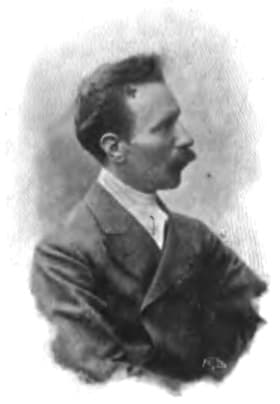
Marco Praga
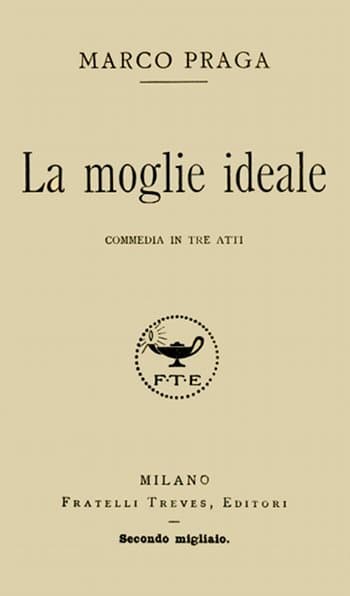
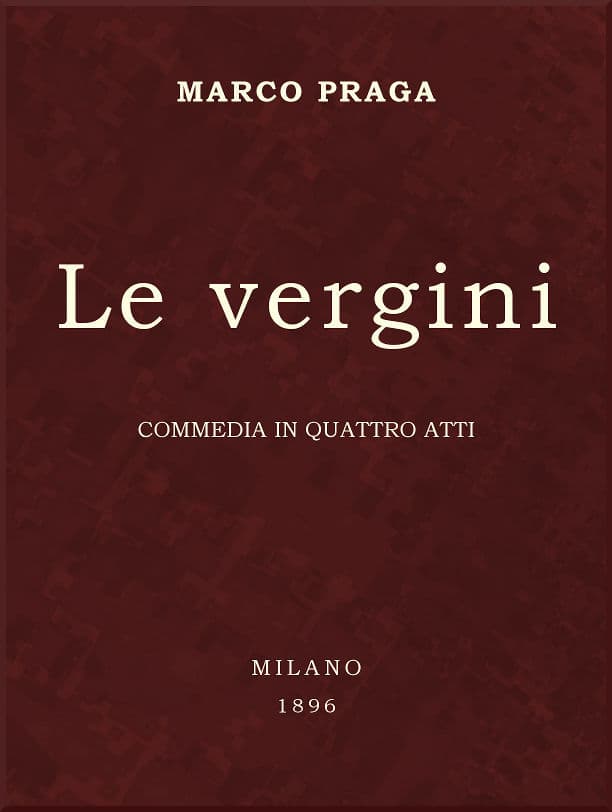
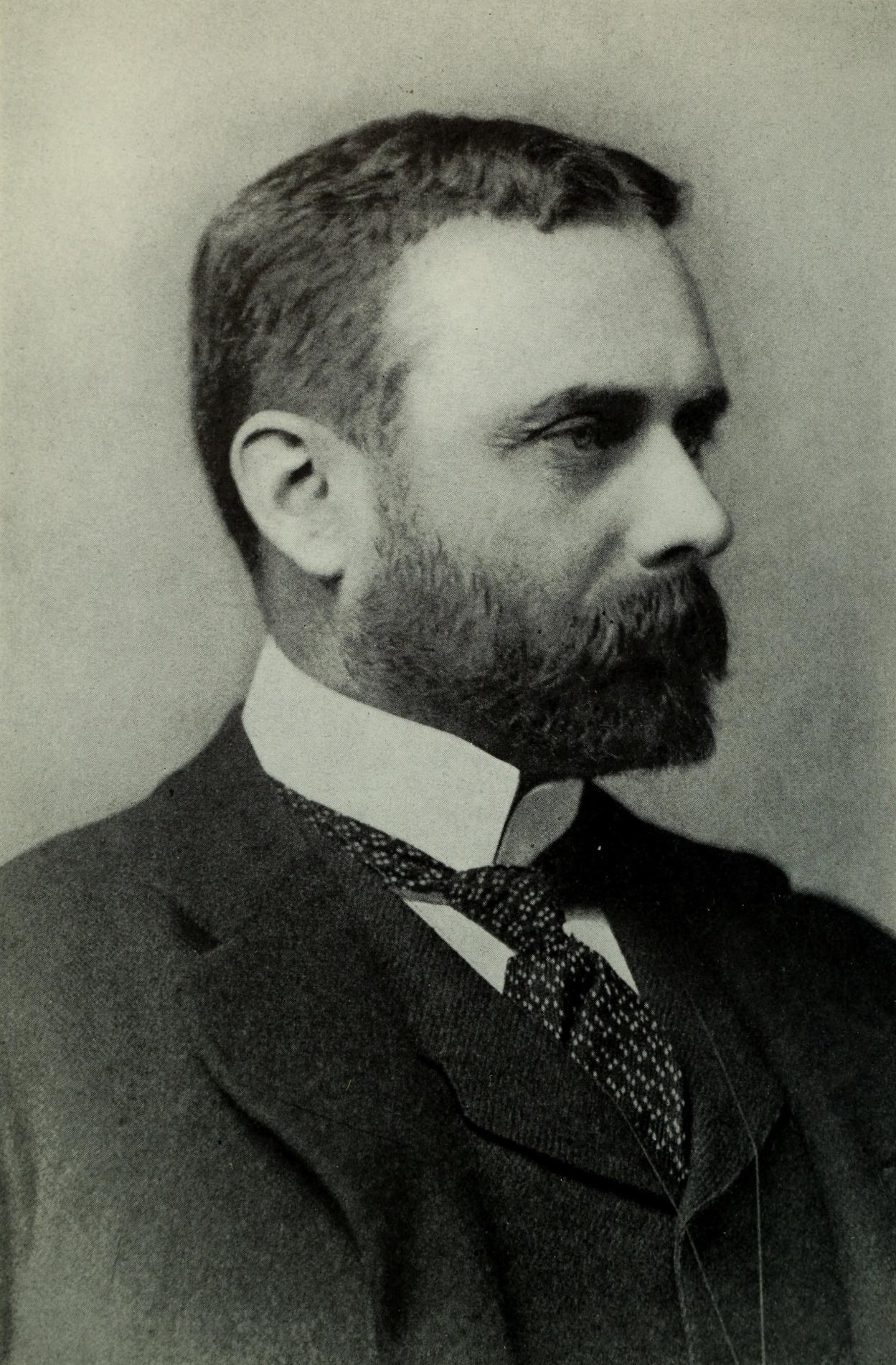
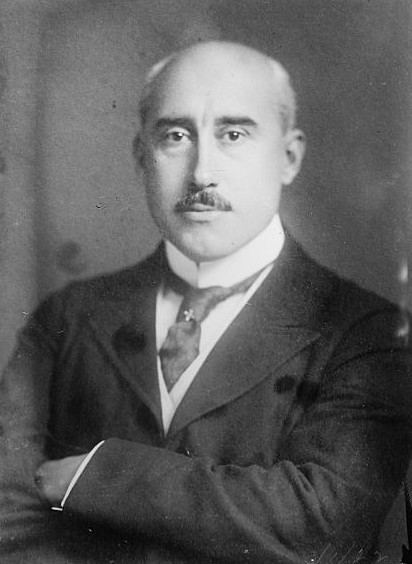
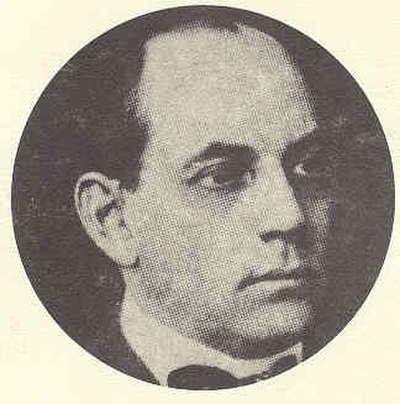
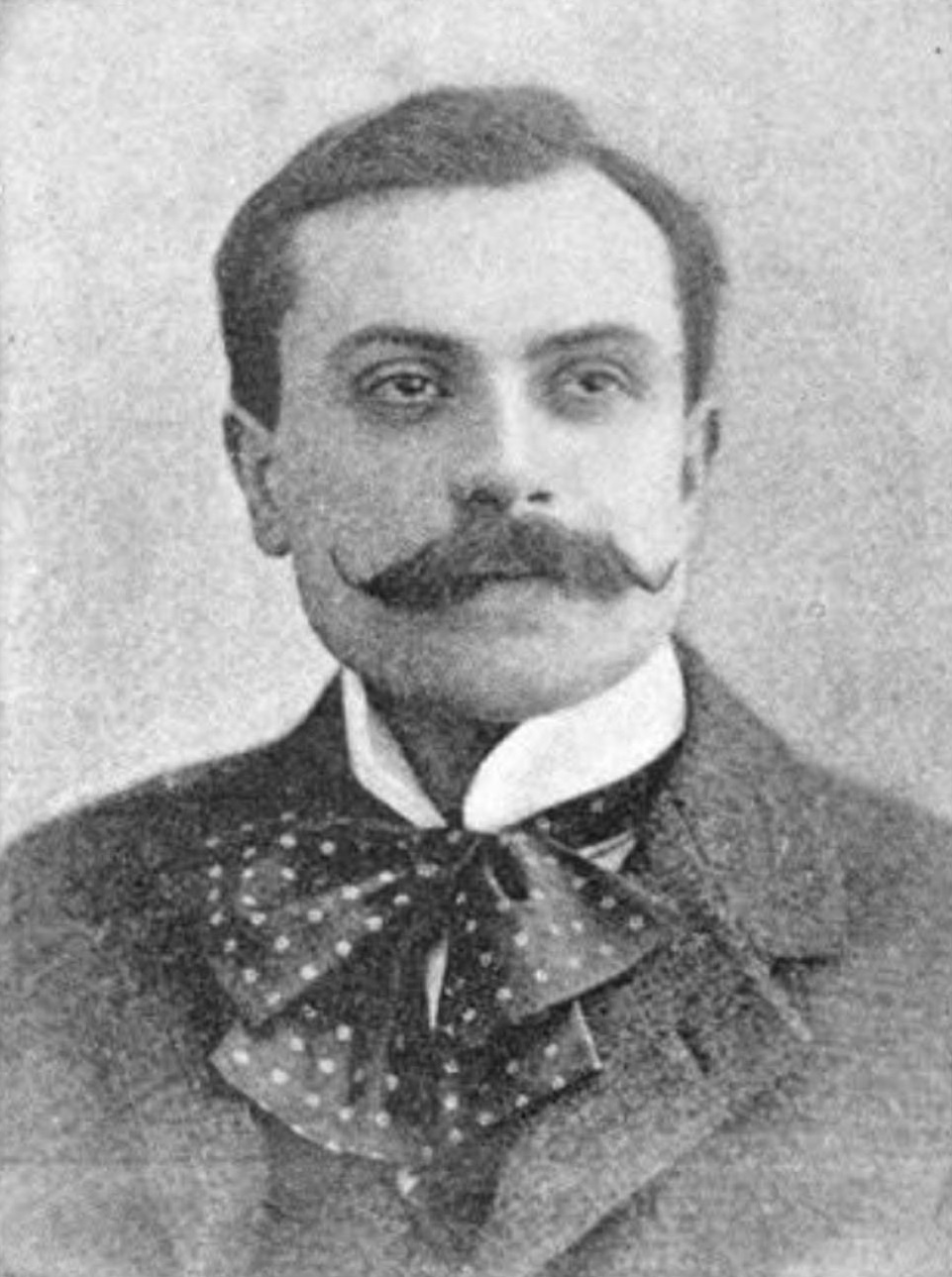
Marco Praga was an influential Italian playwright known for his significant contributions to the theatrical landscape of the late 19th and early 20th centuries. Born in Milan, he was the son of poet Emilio Praga, which likely influenced his literary pursuits. Praga gained prominence with his successful plays, particularly 'La vergini' and 'La moglie ideale,' both of which showcased the talents of the renowned actress Eleonora Duse. His works often explored themes of love, morality, and societal expectations, resonating with audiences of his time. In addition to his successful plays, Praga's collaboration on the libretto for Giacomo Puccini's 'Manon Lescaut' further cemented his place in the world of Italian theater. His contributions to drama and opera reflected the cultural currents of his era, and he continued to produce notable works until 1915. Although his popularity waned after his death in 1929, Praga's legacy as a playwright remains significant, marking him as a key figure in the evolution of modern Italian theater.
Books from the author


Link to this page
Add a free, dofollow link to Lex on your blog, forum, syllabus, or reading list.

<a href="https://lex-books.com/author/marco-praga"><img src="https://lex-books.com/badges/read-on-lex.svg" alt="Marco Praga on Lex" width="160" height="40"></a>[](https://lex-books.com/author/marco-praga)[url=https://lex-books.com/author/marco-praga][img]https://lex-books.com/badges/read-on-lex.svg[/img][/url]Marco Praga on Lex: https://lex-books.com/author/marco-praga