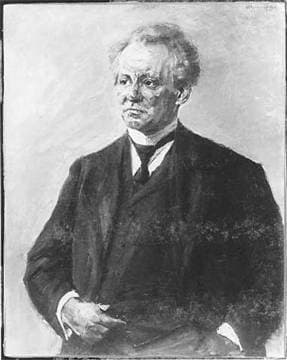
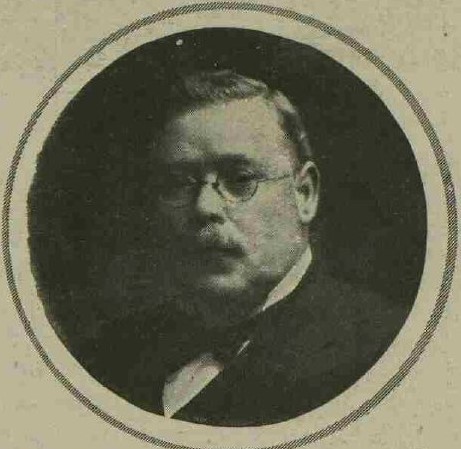
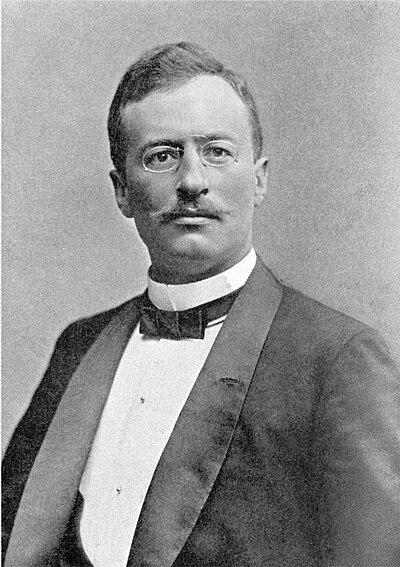
Ludwig Borchardt
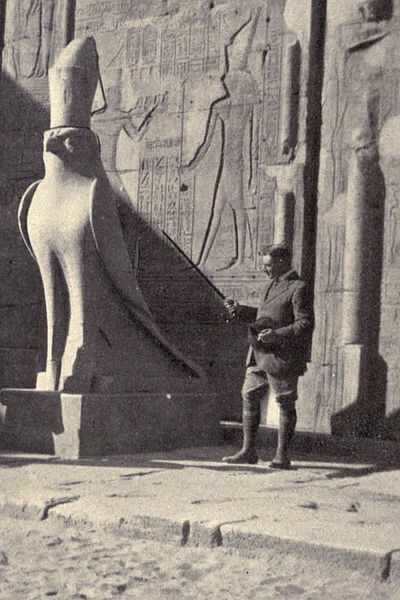
Ludwig Borchardt was a prominent German Egyptologist renowned for his significant contributions to the study of ancient Egyptian civilization. His most notable achievement came in 1912 when he discovered the exquisite bust of Nefertiti during excavations at Amarna, a site that was once the capital of the heretic pharaoh Akhenaten. This remarkable artifact, celebrated for its beauty and artistry, has since become an iconic symbol of ancient Egypt and has sparked considerable interest and debate regarding its historical context and the role of women in ancient Egyptian society. Borchardt's work extended beyond this singular discovery; he played a crucial role in advancing the field of Egyptology through his meticulous research and documentation of ancient sites and artifacts. His findings contributed to a deeper understanding of the Amarna Period and the cultural shifts that occurred during Akhenaten's reign. Despite the controversies surrounding some of his methods and interpretations, Borchardt's legacy endures in the realm of Egyptology, influencing subsequent generations of scholars and enthusiasts alike.
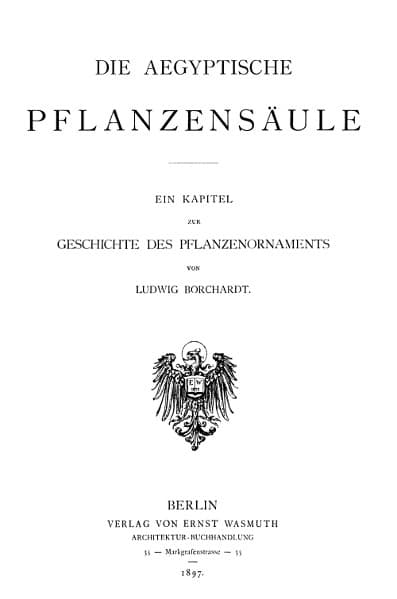
Books from the author









Link to this page
Add a free, dofollow link to Lex on your blog, forum, syllabus, or reading list.

<a href="https://lex-books.com/author/ludwig-borchardt"><img src="https://lex-books.com/badges/read-on-lex.svg" alt="Ludwig Borchardt on Lex" width="160" height="40"></a>[](https://lex-books.com/author/ludwig-borchardt)[url=https://lex-books.com/author/ludwig-borchardt][img]https://lex-books.com/badges/read-on-lex.svg[/img][/url]Ludwig Borchardt on Lex: https://lex-books.com/author/ludwig-borchardt