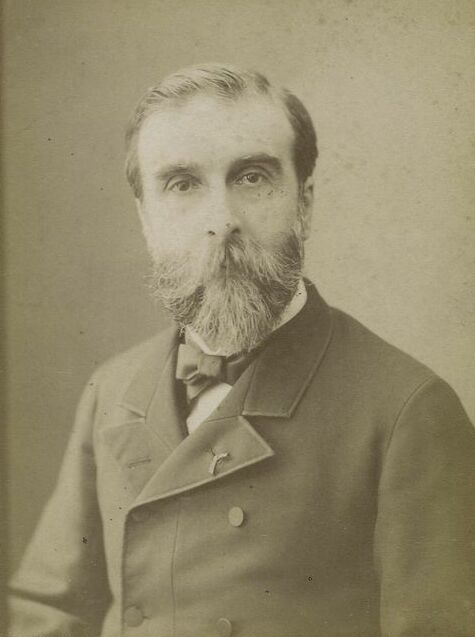
Ludovic Halévy
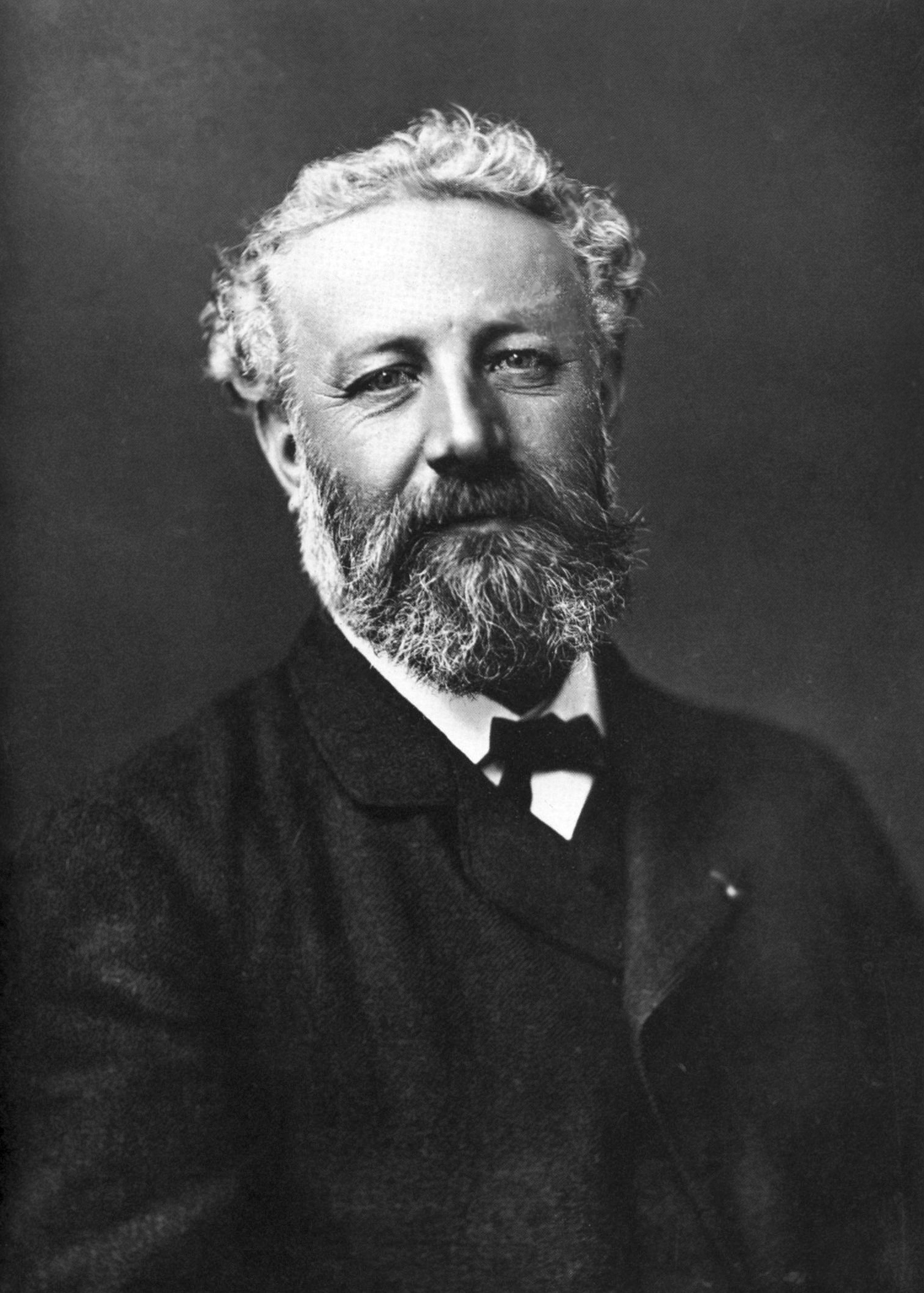
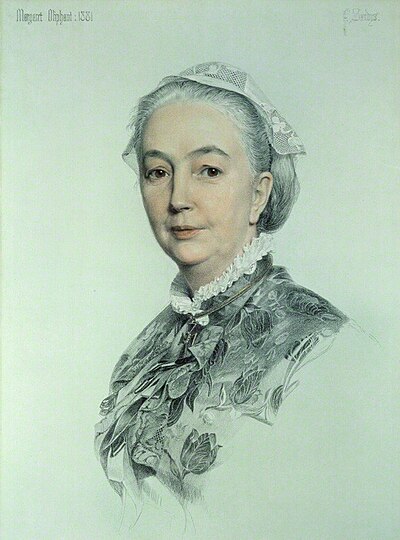
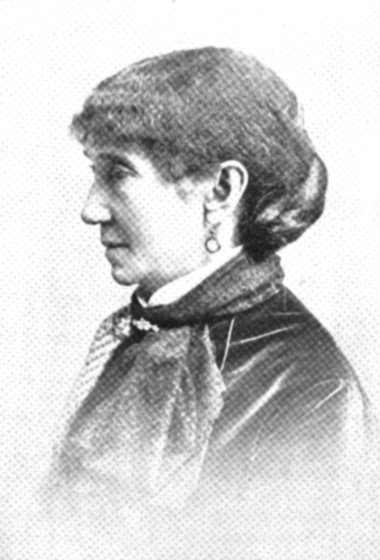
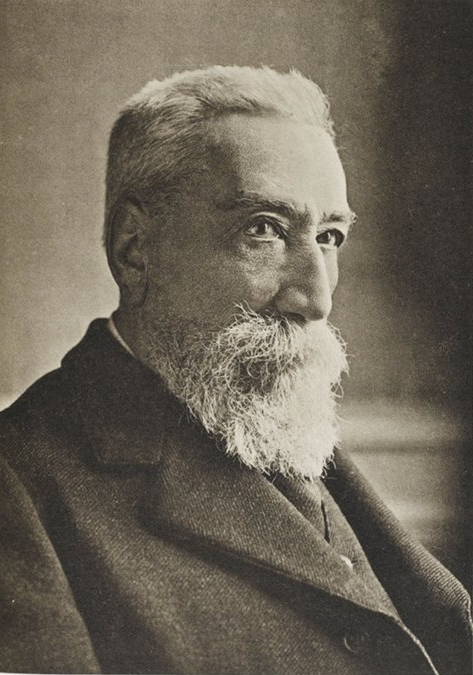
Ludovic Halévy was a prominent French playwright and novelist, known for his contributions to the theatrical landscape of the 19th century. Born into a family of Jewish descent, Halévy was educated in Paris, where he developed a passion for literature and drama. He became a close associate of the composer Jacques Offenbach, collaborating on several operettas that would become staples of the genre. His most notable work, 'La Belle Hélène,' showcased his wit and ability to blend humor with social commentary, earning him a lasting place in the world of French theatre. In addition to his work in operetta, Halévy was also a prolific writer of novels and short stories, often exploring themes of love, society, and the complexities of human relationships. His literary significance lies not only in his successful collaborations but also in his ability to capture the spirit of his time, reflecting the cultural shifts occurring in France during the Second Empire and the Belle Époque. Halévy's legacy endures through his influence on subsequent generations of playwrights and his role in popularizing operetta as a theatrical form, leaving an indelible mark on French literature and performance art.
Famous Quotes
View all 1 quotes“Love is a rebellious bird, that nobody can tame, and you call him quite in vain, if it suits him not to come.””
Books from the author
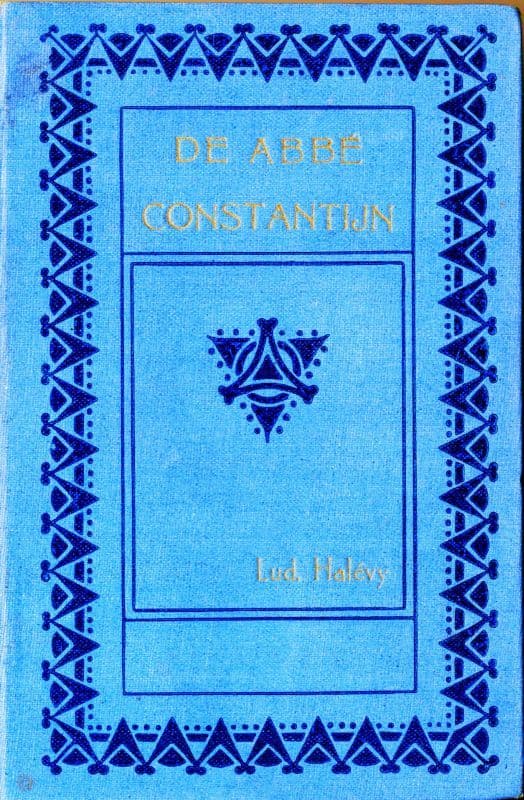


Link to this page
Add a free, dofollow link to Lex on your blog, forum, syllabus, or reading list.

<a href="https://lex-books.com/author/ludovic-halévy"><img src="https://lex-books.com/badges/read-on-lex.svg" alt="Ludovic Halévy on Lex" width="160" height="40"></a>[](https://lex-books.com/author/ludovic-halévy)[url=https://lex-books.com/author/ludovic-halévy][img]https://lex-books.com/badges/read-on-lex.svg[/img][/url]Ludovic Halévy on Lex: https://lex-books.com/author/ludovic-halévy