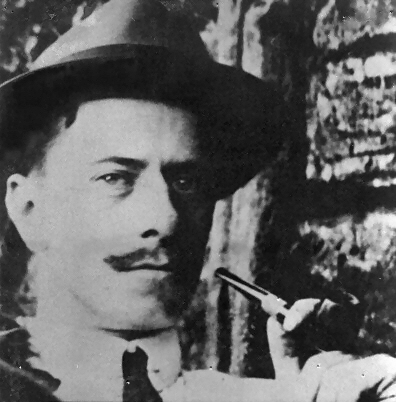
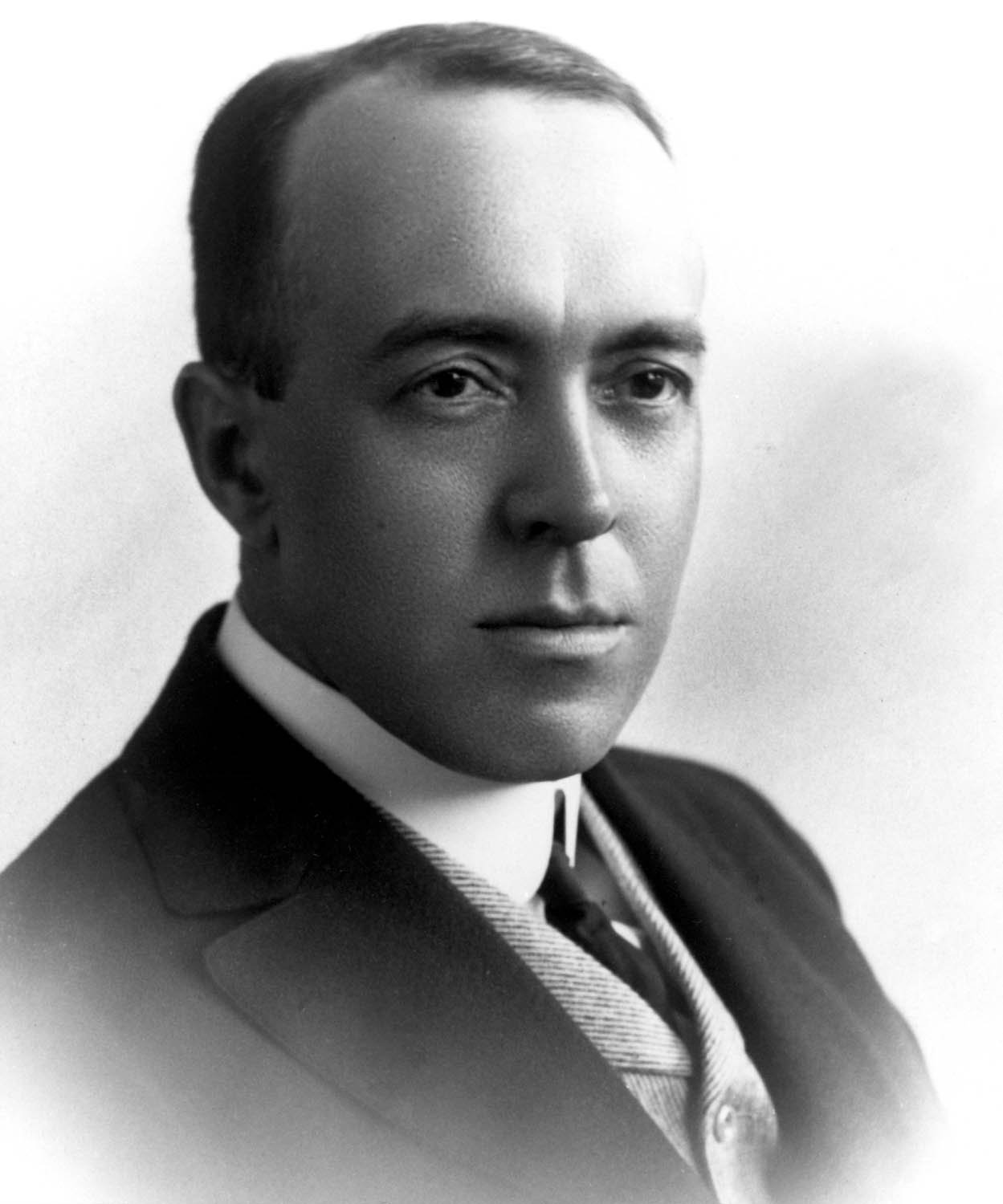
Louis Hémon
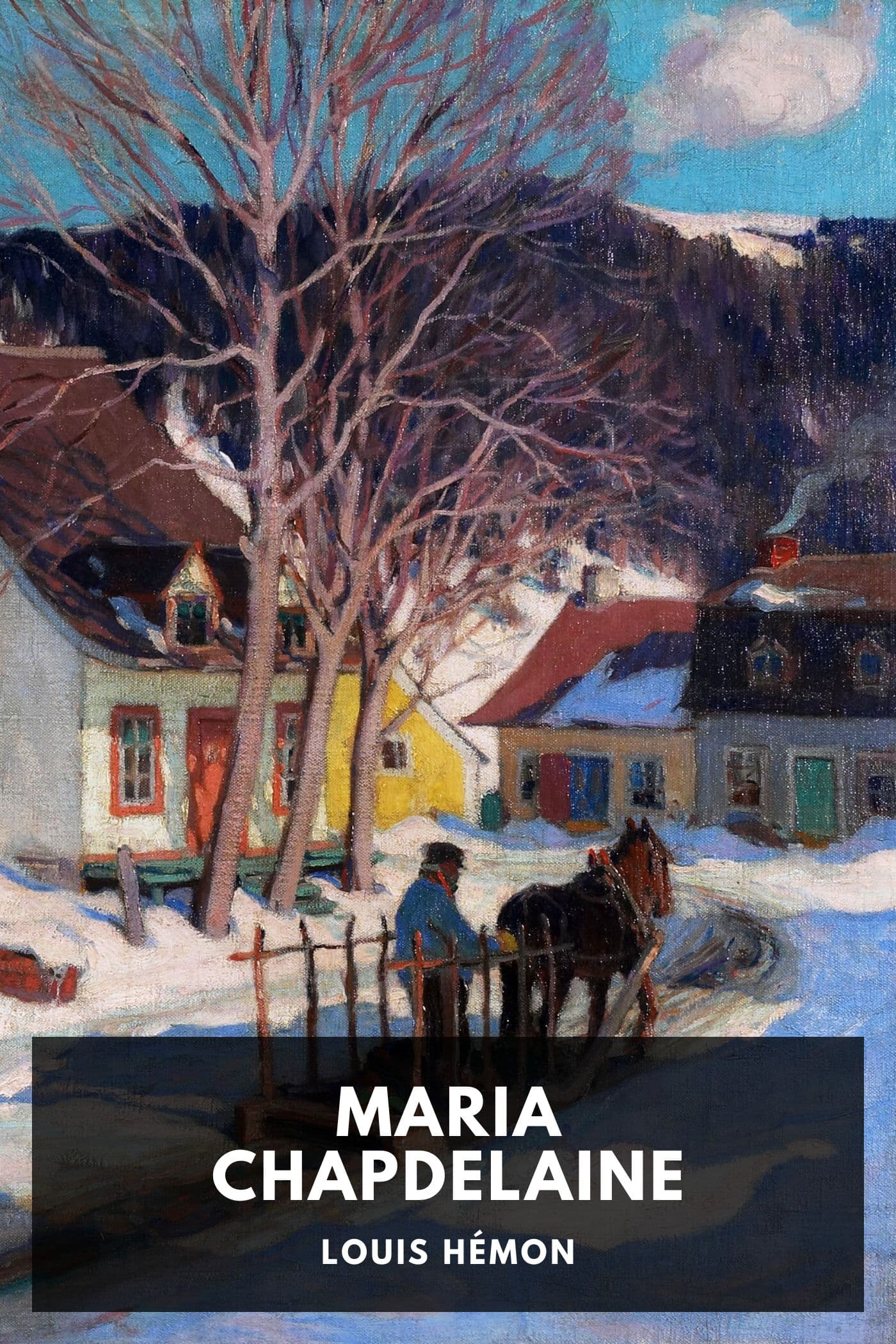
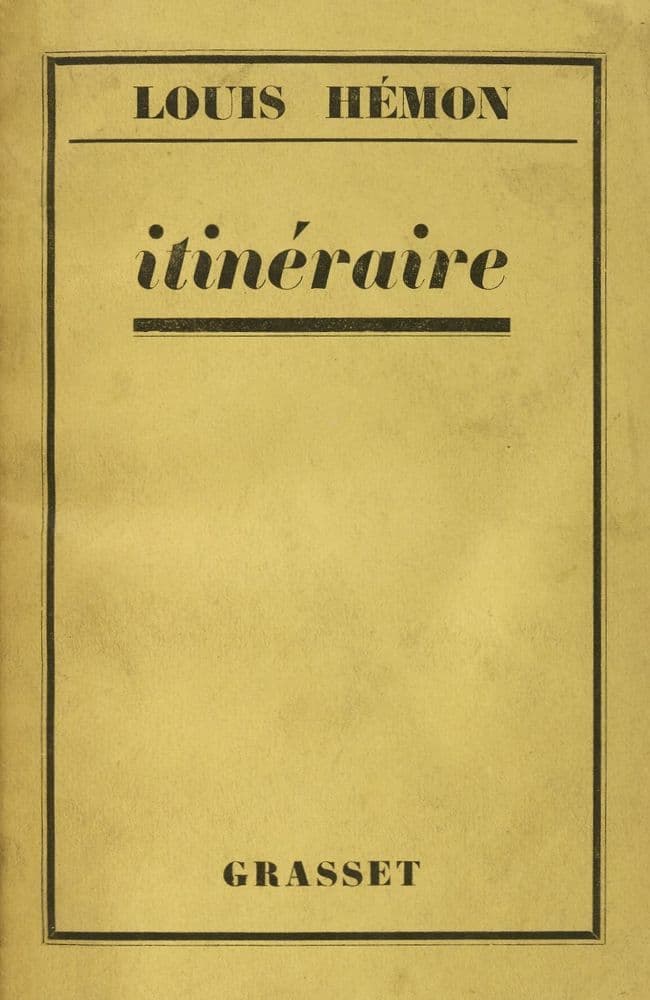
Louis Hémon was a French novelist and journalist, best known for his seminal work, "Maria Chapdelaine: A Tale of the Lake St. John Country." Born in France, Hémon moved to Canada in the early 20th century, where he immersed himself in the culture and landscape of rural Quebec. His experiences in this region deeply influenced his writing, allowing him to capture the essence of Canadian life and the struggles of its people. "Maria Chapdelaine," published in 1913, tells the story of a young woman's life in the harsh yet beautiful wilderness of Quebec, exploring themes of love, sacrifice, and the connection to the land. This novel is considered a classic of Canadian literature and is notable for its vivid portrayal of the French-Canadian experience, making Hémon a significant figure in the literary canon of Canada. In addition to "Maria Chapdelaine," Hémon wrote several other works, including "La Belle Que Voilà..." and "Itinéraires," which further showcase his literary talent and his keen observations of life in Canada. Despite his relatively short life, Hémon's contributions to literature have left a lasting impact, particularly in the realm of regional storytelling. His ability to weave the complexities of human emotion with the stark realities of rural existence has cemented his legacy as a pioneer of Canadian fiction, influencing generations of writers who followed in his footsteps.
Famous Quotes
View all 6 quotes“Leur aspect eût suffi à les différencier des autres habitants du village ; mais dès qu'ils parlaient le fossé semblait s'élargir encore et les paroles qui sortaient de leur bouche sonnaient comme des mots d'une langue étrangère. Ils n'avaient pas la lenteur de diction canadienne, ni cet accent indéfinissable qui n'est pas l'accent d'une quelconque province française, mais seulement un accent paysan, en quoi les parlers différents des émigrants d'autrefois se sont confondus. Ils employaient des expressions et des tournures de phrases que l'on n'entend point au pays de Québec, même dans les villes, et qui aux hommes simples assemblés là paraissaient recherchées et pleines de raffinement. -dans””
“Peut-être les Chapdelaine pensaient-ils à cela et chacun à sa manière ; le père avec l'optimisme invincible d'un homme qui se sait fort et se croit sage ; la mère avec un regret résigné ; et les autres, les jeunes, d'une façon plus vague et sans amertume (...)Maria Chapdelaine, Louis Hémon, éd. Gallimard, coll. littérature québéquoise, p. 40””
“Ten years as a day student in a dark lycée – dreary studies. All fighting spirit vanished under the slow oppression of Greek composition.””
Books from the author


Link to this page
Add a free, dofollow link to Lex on your blog, forum, syllabus, or reading list.

<a href="https://lex-books.com/author/louis-hémon"><img src="https://lex-books.com/badges/read-on-lex.svg" alt="Louis Hémon on Lex" width="160" height="40"></a>[](https://lex-books.com/author/louis-hémon)[url=https://lex-books.com/author/louis-hémon][img]https://lex-books.com/badges/read-on-lex.svg[/img][/url]Louis Hémon on Lex: https://lex-books.com/author/louis-hémon