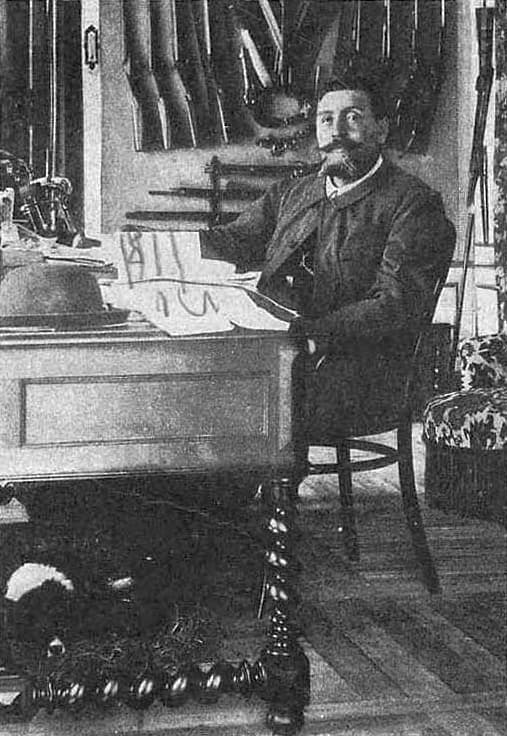
Louis Boussenard
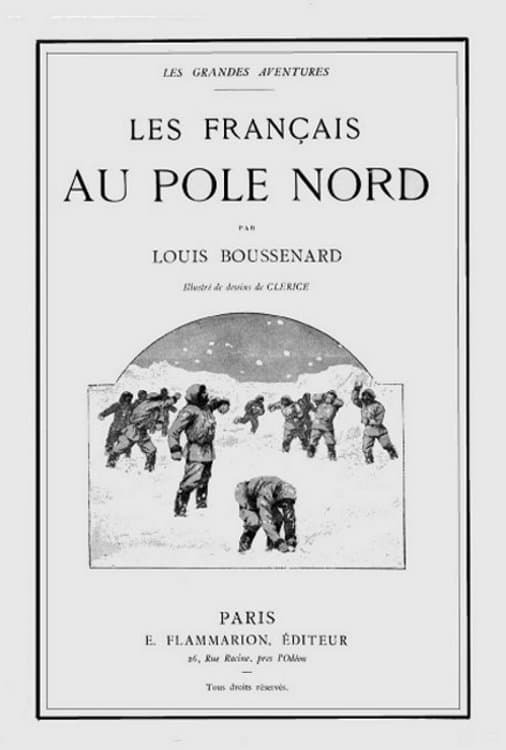
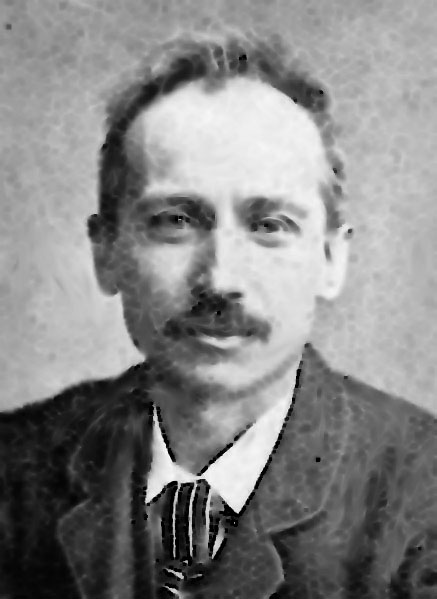
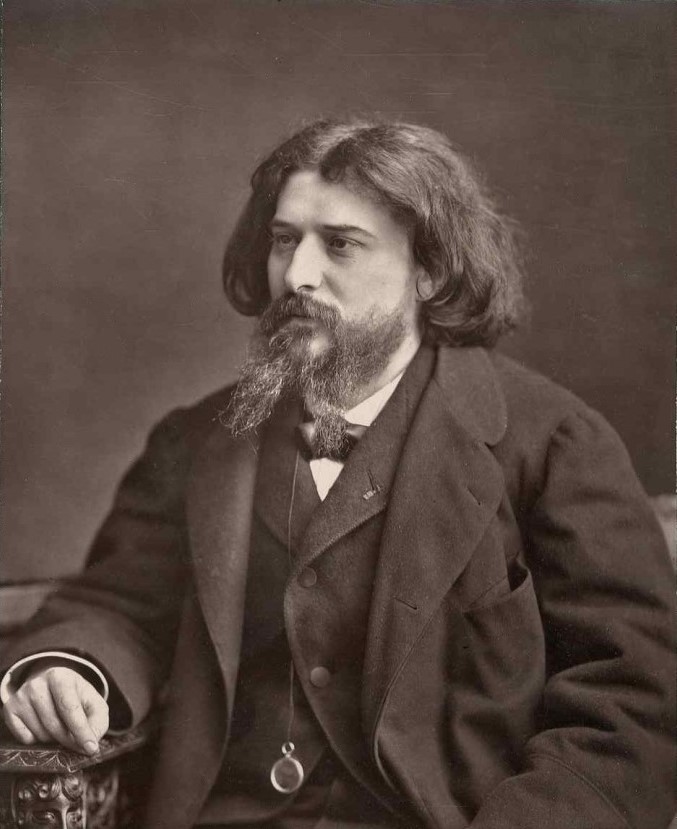
Louis Boussenard was a French author renowned for his adventure novels, often compared to the works of H. Rider Haggard. Born in Escrennes, Loiret, he pursued a career in medicine but found his true calling in writing, producing a remarkable body of work that captivated readers, particularly in Eastern Europe. His travels throughout the French colonies, especially in Africa, deeply influenced his storytelling, imbuing his narratives with vivid depictions of exotic locales and thrilling escapades. Boussenard's early works, such as 'À travers Australie: Les dix millions de l'Opossum rouge' (1879) and 'Le tour du monde d'un gamin de Paris' (1880), showcased his picaresque humor and adventurous spirit, while later novels like 'Aventures périlleuses de trois Français au pays des diamants' (1884) and 'Les étrangleurs du Bengale' (1901) displayed a more complex narrative style and nationalist themes. Despite his popularity in the late 19th and early 20th centuries, particularly with the publication of 40 volumes in Imperial Russia, Boussenard's works have faded from prominence in the Francophone world. His sometimes critical view of Britons and Americans may have contributed to his limited recognition in English-speaking countries. Nevertheless, his adventurous tales and unique perspective on colonial life left a mark on the genre, influencing subsequent writers of adventure fiction and establishing him as a notable figure in the literary landscape of his time.
Books from the author




Link to this page
Add a free, dofollow link to Lex on your blog, forum, syllabus, or reading list.

<a href="https://lex-books.com/author/louis-boussenard"><img src="https://lex-books.com/badges/read-on-lex.svg" alt="Louis Boussenard on Lex" width="160" height="40"></a>[](https://lex-books.com/author/louis-boussenard)[url=https://lex-books.com/author/louis-boussenard][img]https://lex-books.com/badges/read-on-lex.svg[/img][/url]Louis Boussenard on Lex: https://lex-books.com/author/louis-boussenard