Lev Shestov
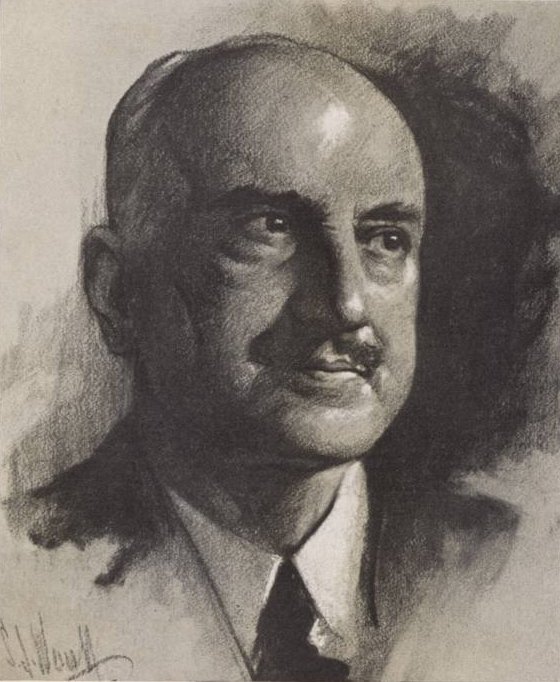
Lev Shestov was a prominent Russian existentialist and religious philosopher known for his profound critiques of philosophical rationalism and positivism. Born Yeguda Lev Shvartsman, he argued that reason and metaphysics could not adequately address the ultimate questions of existence and the nature of God. His influential works, such as 'Apotheosis of Groundlessness' and the expansive 'Athens and Jerusalem,' reflect his belief in the limitations of rational thought and the necessity of embracing the irrational aspects of human experience. Shestov's writings often drew on the ideas of Friedrich Nietzsche and Søren Kierkegaard, as well as the literary insights of Russian authors like Fyodor Dostoyevsky, Leo Tolstoy, and Anton Chekhov. After emigrating to France in 1921, Shestov became a significant figure in the intellectual circles of Paris, where he engaged with contemporary thinkers such as Edmund Husserl and Georges Bataille. His philosophy, often labeled as 'anti-philosophy,' emphasized the importance of personal experience and faith over systematic reasoning. Shestov's legacy endures through his challenge to the dominant philosophical paradigms of his time, influencing existential thought and continuing to inspire discussions on the nature of truth and existence long after his death in 1938.
Famous Quotes
View all 3 quotes“If Darwin had seen in life what Dostoevsky saw, he would not have talked of the law of the preservation of species, but of its destruction.”
“The business of philosophy is to teach man to live in uncertainty... not to reassure him, but to upset him.”
“Suffering "buys" something, and this something possesses a certain value for all of us, for common consciousness; by suffering we buy the right to judge.”
Books from the author






Link to this page
Add a free, dofollow link to Lex on your blog, forum, syllabus, or reading list.

<a href="https://lex-books.com/author/lev-shestov"><img src="https://lex-books.com/badges/read-on-lex.svg" alt="Lev Shestov on Lex" width="160" height="40"></a>[](https://lex-books.com/author/lev-shestov)[url=https://lex-books.com/author/lev-shestov][img]https://lex-books.com/badges/read-on-lex.svg[/img][/url]Lev Shestov on Lex: https://lex-books.com/author/lev-shestov