
Lev Lvovich Tolstoy
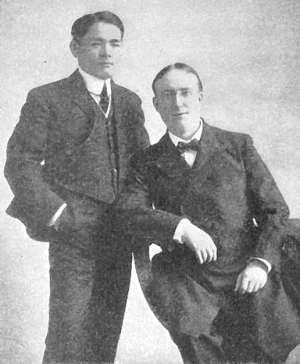
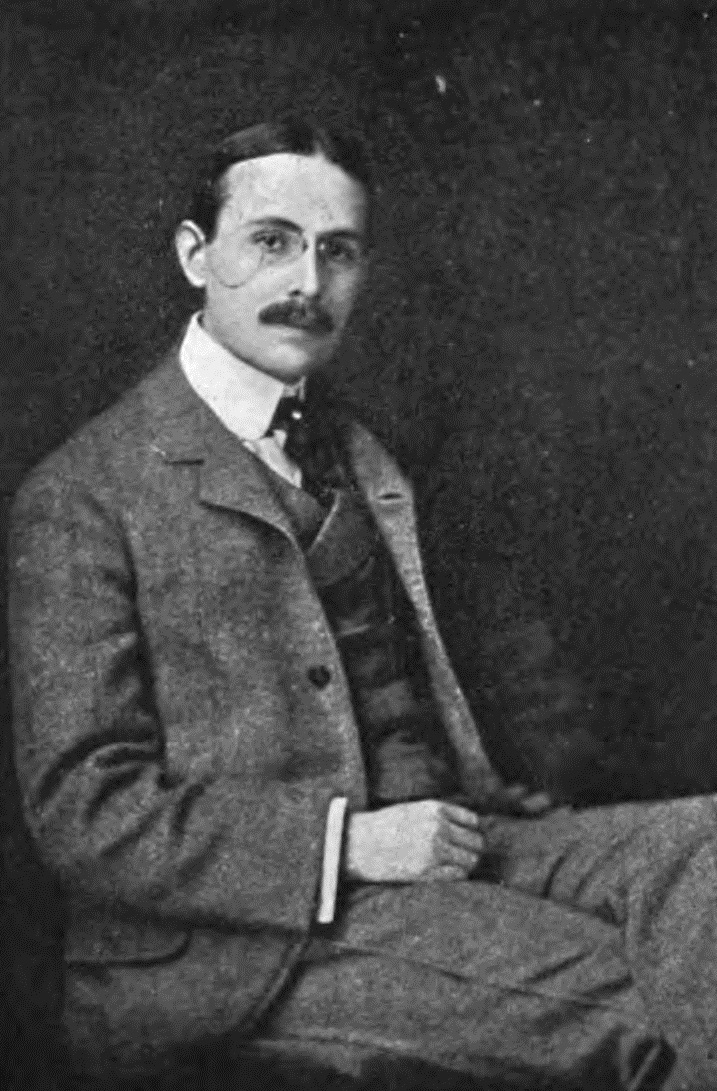
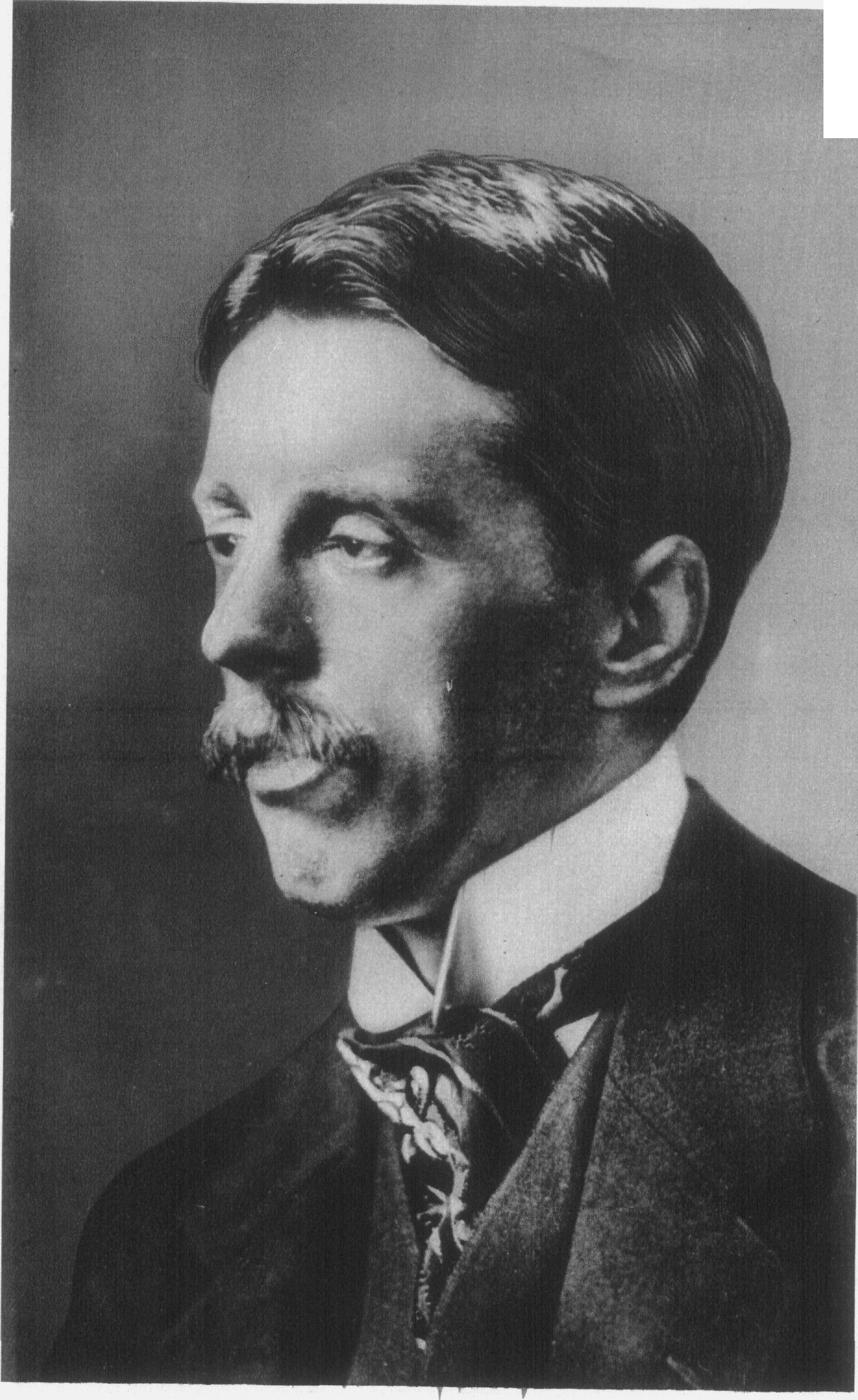
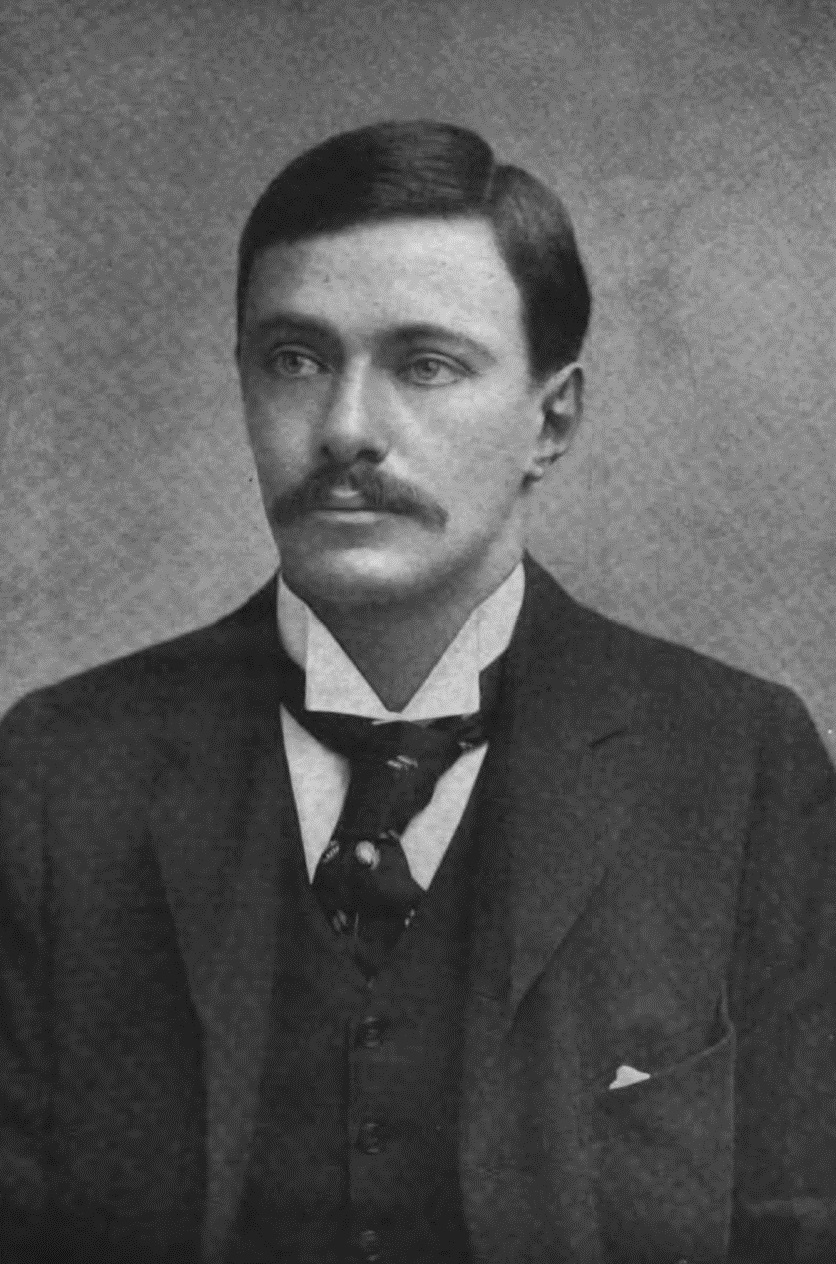
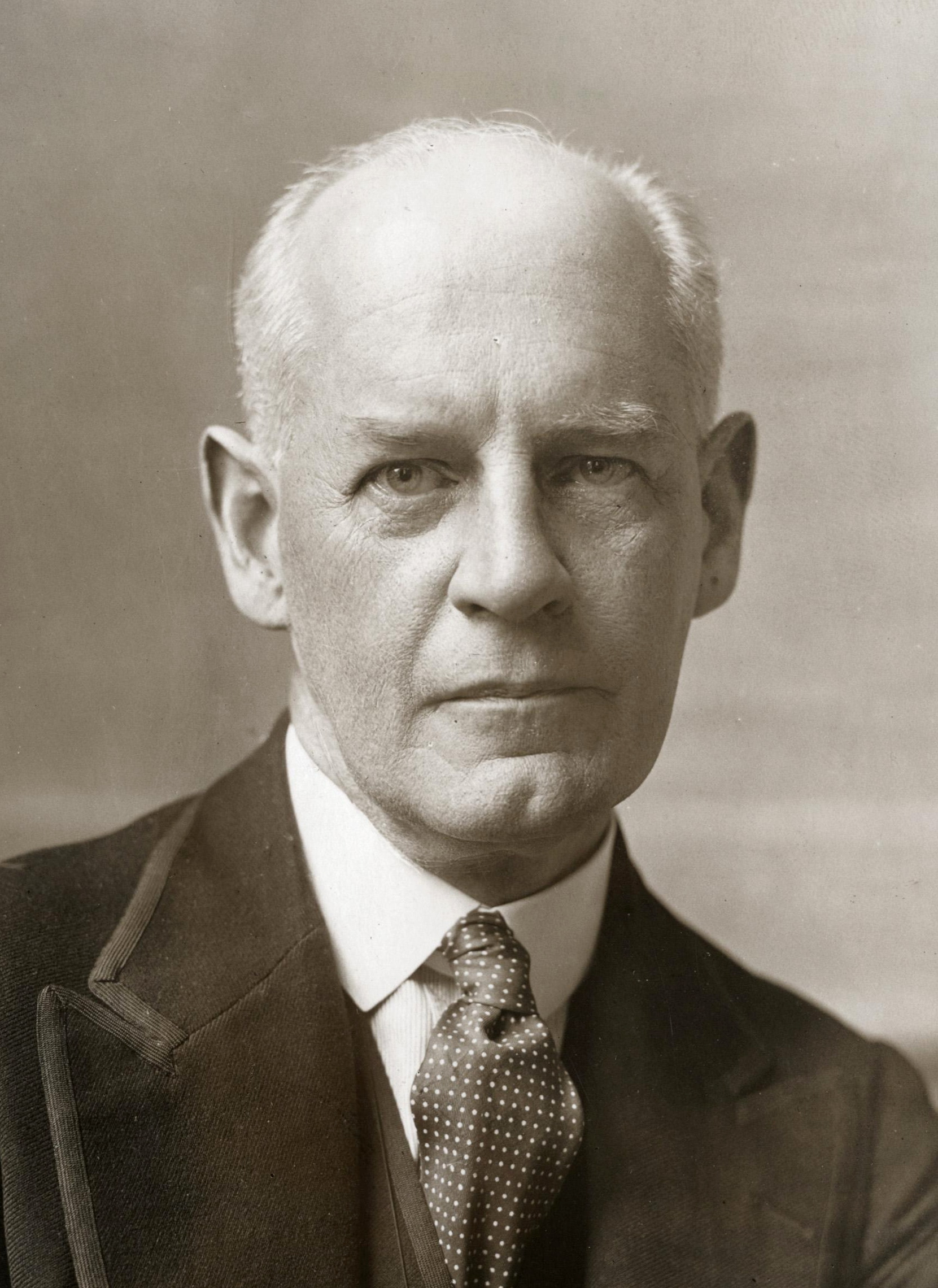
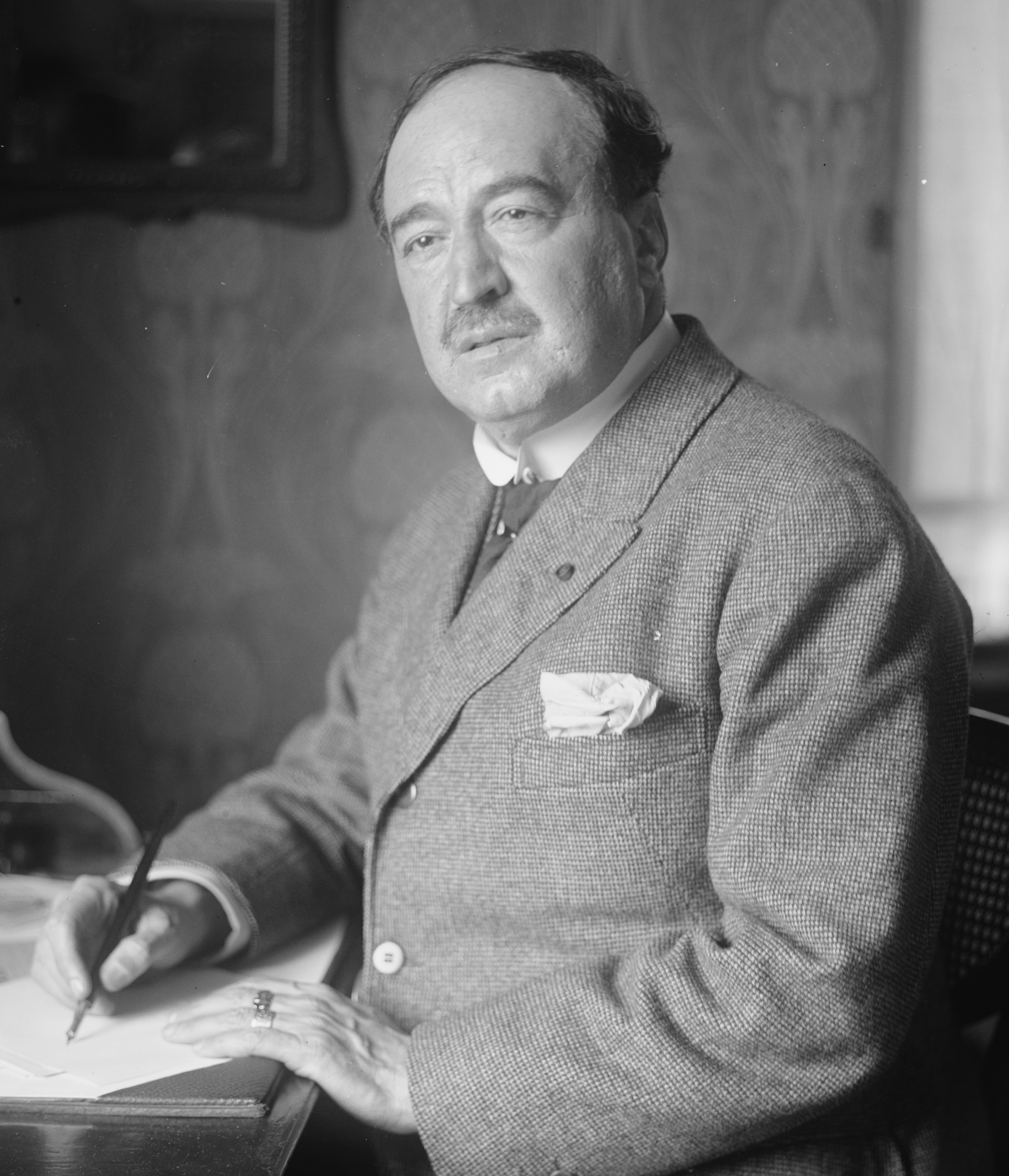
Lev Lvovich Tolstoy was a prominent Russian writer and playwright, known as the fourth child of the illustrious author Leo Tolstoy. While he initially enjoyed a close relationship with his father, by the 1890s, Lev began to question Leo's religious and moral philosophies, ultimately embracing a monarchist and patriotic stance. His literary career flourished in pre-Revolutionary Russia, where he gained recognition for his belletristic works, contributing to the vibrant cultural landscape of the time. After the Russian Revolution, Lev lived in exile in Sweden, where he became a vocal critic of his father's teachings. His artistic pursuits expanded beyond writing; he gained acclaim as a sculptor, showcasing his works in various exhibitions. Notably, his busts of figures such as his father, Benito Mussolini, and Herbert Hoover garnered attention, highlighting his multifaceted talents. Lev Lvovich Tolstoy's legacy is marked by his complex relationship with his father's ideals and his own contributions to Russian literature and art, reflecting the tumultuous changes of his era.
Books from the author

Link to this page
Add a free, dofollow link to Lex on your blog, forum, syllabus, or reading list.

<a href="https://lex-books.com/author/lev-lvovich-tolstoy"><img src="https://lex-books.com/badges/read-on-lex.svg" alt="Lev Lvovich Tolstoy on Lex" width="160" height="40"></a>[](https://lex-books.com/author/lev-lvovich-tolstoy)[url=https://lex-books.com/author/lev-lvovich-tolstoy][img]https://lex-books.com/badges/read-on-lex.svg[/img][/url]Lev Lvovich Tolstoy on Lex: https://lex-books.com/author/lev-lvovich-tolstoy