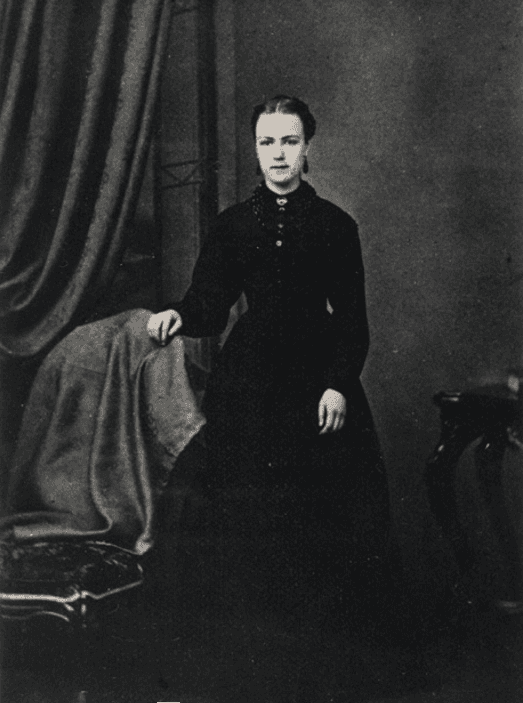
Laure Conan
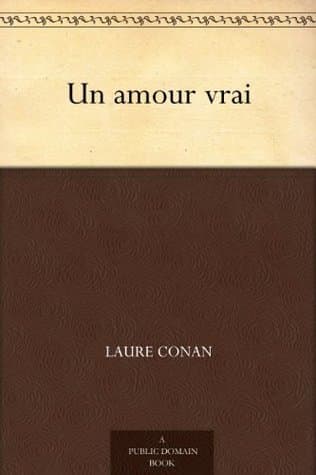
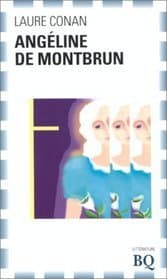
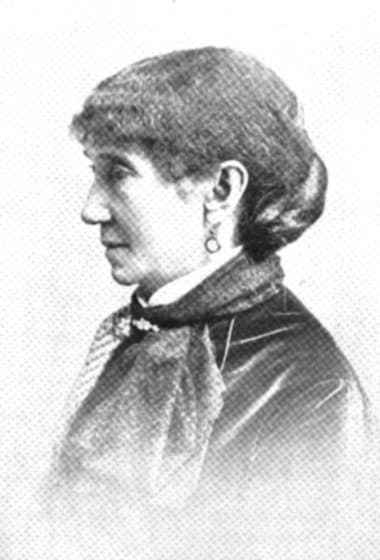
Laure Conan, born Marie-Louise-Félicité Angers, was a pioneering French Canadian writer and journalist, recognized as one of the first female novelists in her region. Raised in La Malbaie, Quebec, she received her education from the Ursulines in Quebec City. Her early life experiences, including a significant yet tumultuous relationship with Pierre-Alexis Tremblay, deeply influenced her literary themes, often reflecting isolation and the complexities of identity. Conan's literary career began with the publication of her short story 'Un amour vrai' in the Revue de Montréal, where she adopted her pen name, inspired by Conan III, Duke of Brittany. Her most notable work, 'Angéline de Montbrun,' serialized from 1881 to 1882 and published as a complete novel in 1884, is regarded as the first French Canadian psychological novel, marking a significant contribution to the genre. In 1900, she published 'À l'œuvre et à l'épreuve,' which garnered the Montyon Prize in 1903, further establishing her literary reputation. Beyond fiction, Conan wrote extensively on historical biographies, focusing on religious figures, and contributed 195 biographies to various Quebec periodicals. Her later work, 'L'obscure souffrance,' published in 1915, returned to the intimate themes that characterized her earlier writings. Throughout her career, Conan's exploration of family, nation, and religion, often through allegorical narratives, highlighted the French-Canadian struggle for identity in the wake of British colonialism, cementing her legacy as a key figure in Canadian literature.
Famous Quotes
View all 3 quotes“Nothing in love is small. Those who wait for grand occasions to prove their love don’t know how to love.”
“Nada é pequeno no amor. Quem espera as grandes ocasiões para provar a sua ternura não sabe amar.”
“L'esprit de parti a remplacé l'esprit national. Le patriotisme, cette noble fleur, ne se trouve guère dans la politique, cette arène souillée. Je serais heureux de me tromper; mais à part quelques exceptions bien rares, je crois nos hommes d'État beaucoup plus occupés d'eux-mêmes que de la patrie.”
Books from the author