Karl Ettlinger
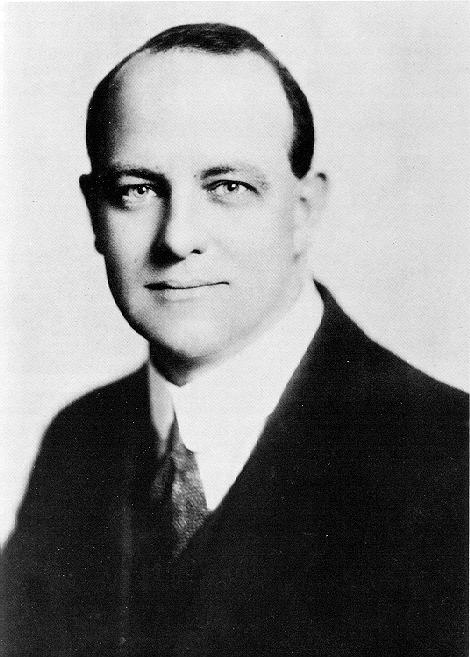
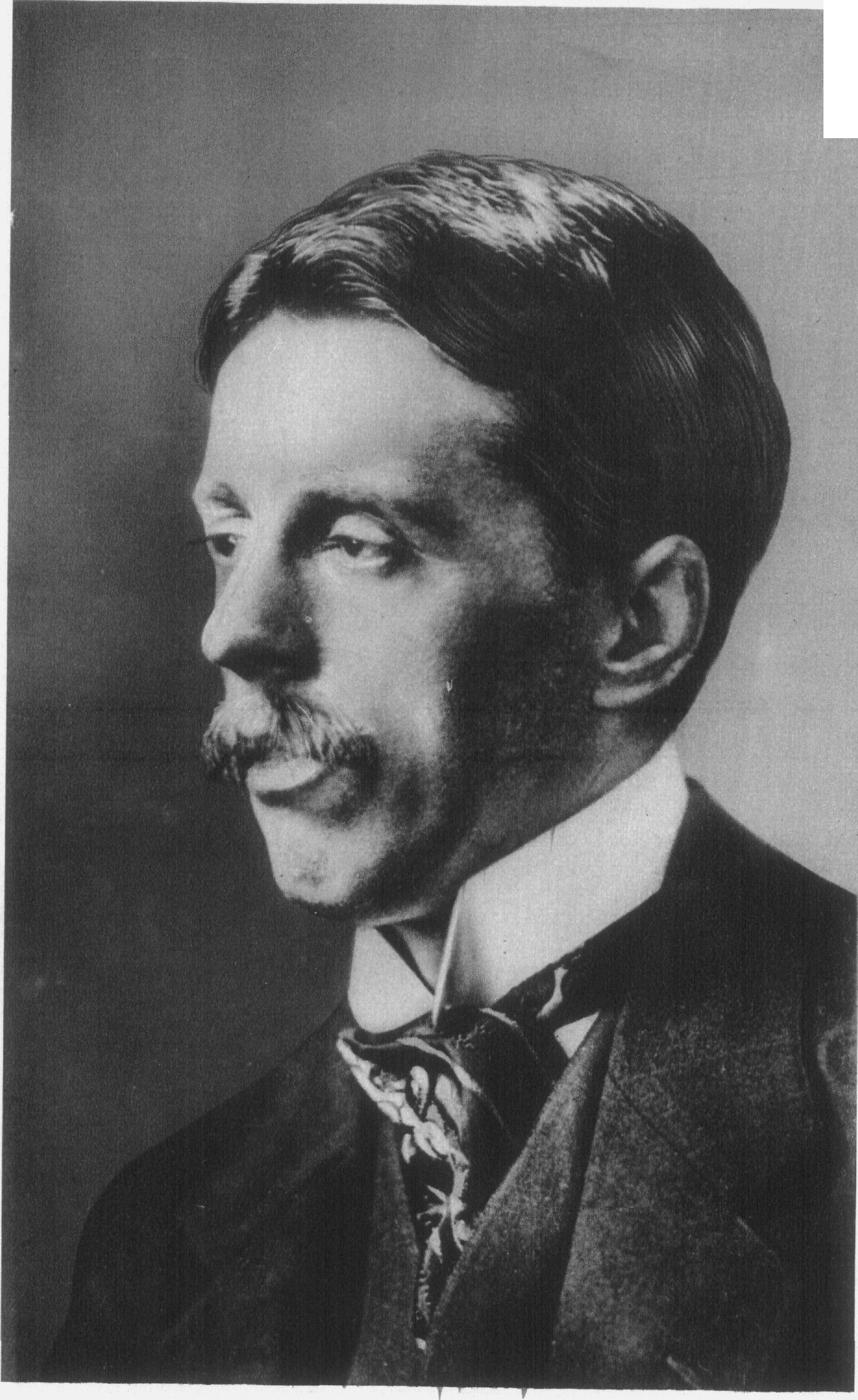
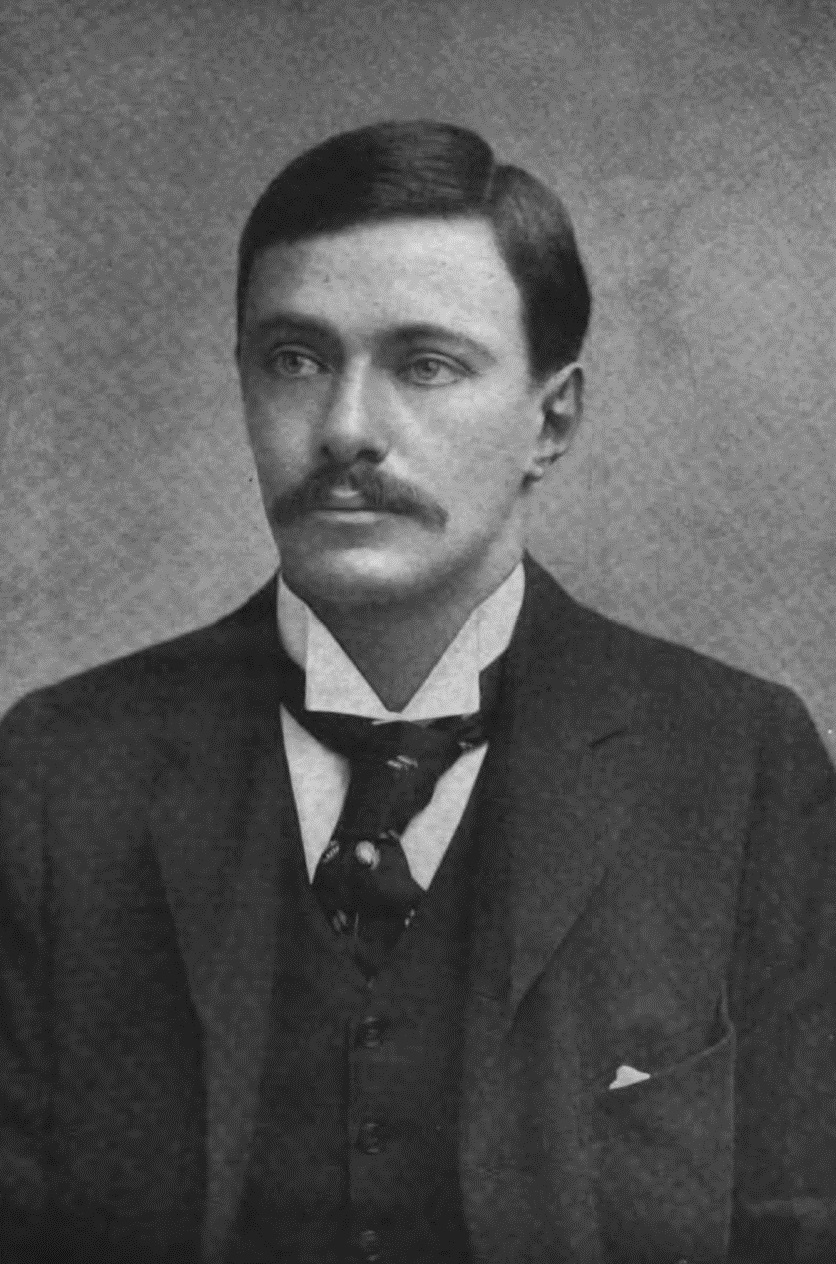
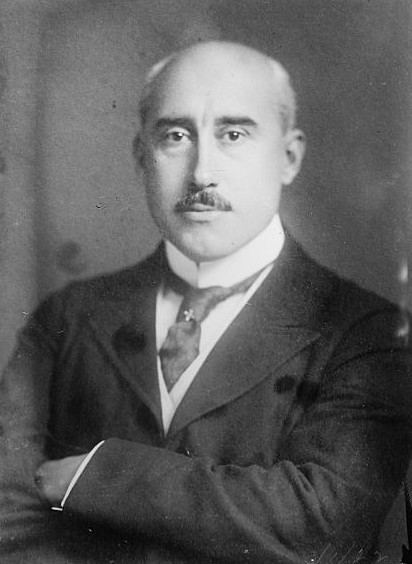
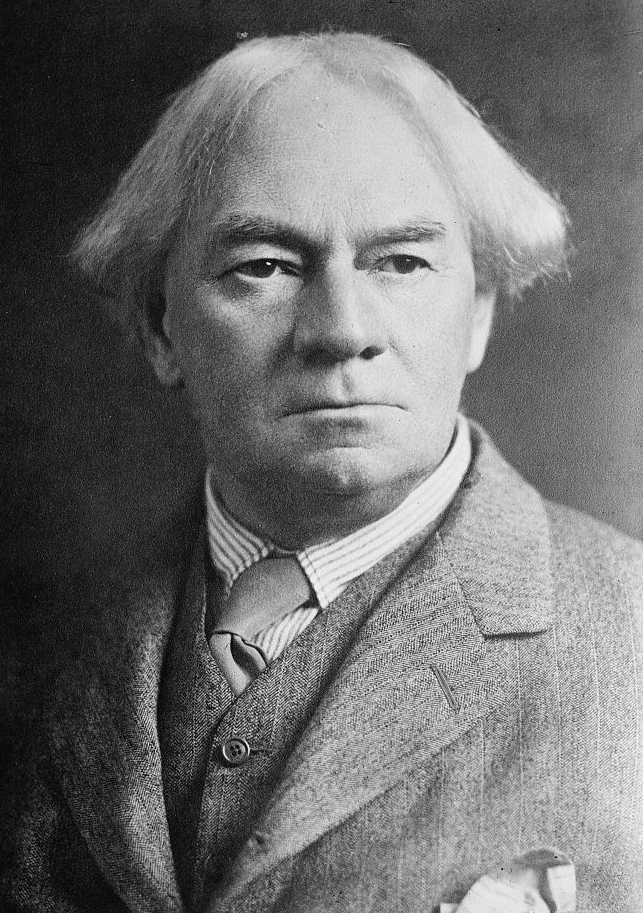
Karl Ettlinger was a notable figure in the literary landscape of the early 20th century, recognized for his contributions to German literature. Born in 1882, he navigated a complex cultural environment marked by the tumult of World War I and the rise of the Nazi regime. Ettlinger's works often reflected the societal challenges and moral dilemmas of his time, engaging with themes of identity, conflict, and the human condition. His writing style was characterized by a blend of realism and introspection, allowing readers to connect deeply with the characters and their struggles. Among his notable works, Ettlinger is best remembered for his poignant narratives that explored the psychological impacts of war and societal change. His literary significance lies in his ability to capture the zeitgeist of a generation grappling with the aftermath of conflict and the moral questions it raised. Despite the political climate of his era, Ettlinger's voice remained distinct, offering a critical perspective on the human experience. His legacy endures as a testament to the power of literature to reflect and challenge the world around us, influencing future generations of writers and thinkers until his untimely death in 1939.
Books from the author

Link to this page
Add a free, dofollow link to Lex on your blog, forum, syllabus, or reading list.

<a href="https://lex-books.com/author/karl-ettlinger"><img src="https://lex-books.com/badges/read-on-lex.svg" alt="Karl Ettlinger on Lex" width="160" height="40"></a>[](https://lex-books.com/author/karl-ettlinger)[url=https://lex-books.com/author/karl-ettlinger][img]https://lex-books.com/badges/read-on-lex.svg[/img][/url]Karl Ettlinger on Lex: https://lex-books.com/author/karl-ettlinger