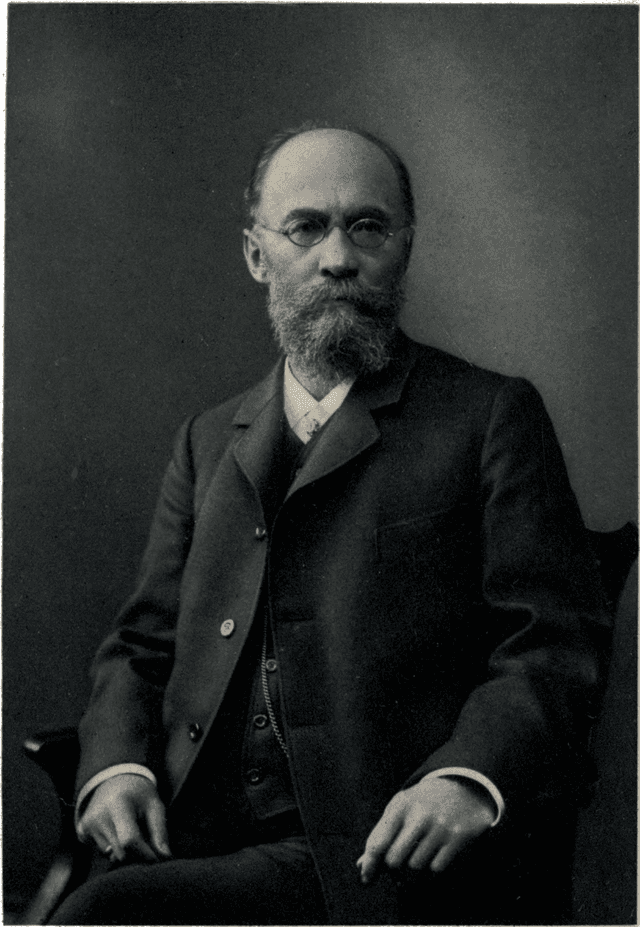
Karl Brugman
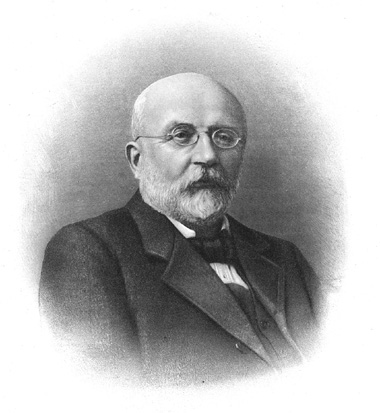
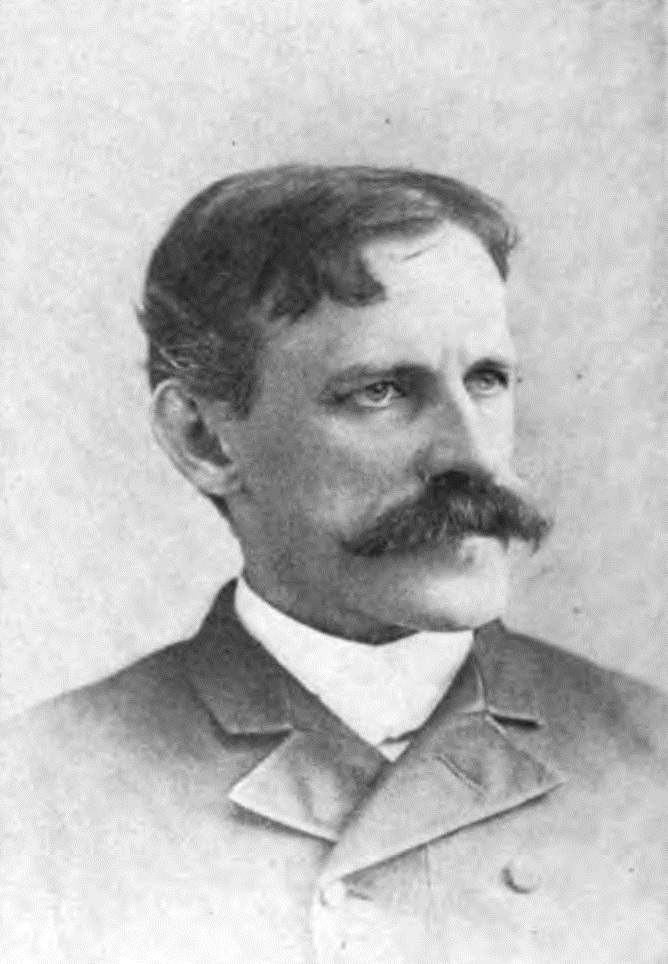
Karl Brugmann was a prominent German linguist recognized for his significant contributions to Indo-European linguistics. Born in 1849, he dedicated his career to the study of language, particularly focusing on the historical and comparative aspects of Indo-European languages. Brugmann's scholarly work laid the groundwork for modern linguistic theory, and he was instrumental in advancing the understanding of phonetics and morphology within this field. His most notable works include 'Grundrisz der vergleichenden Grammatik der indogermanischen Sprachen,' which served as a foundational text for linguists and remains influential in the study of Indo-European languages. Brugmann's legacy extends beyond his publications; he was a key figure in the establishment of linguistics as a rigorous academic discipline. His theories and methodologies influenced subsequent generations of linguists, and he played a crucial role in the development of the comparative method. Through his meticulous research and innovative approaches, Brugmann not only shaped the study of Indo-European languages but also contributed to the broader understanding of language evolution and structure, solidifying his place as a pivotal figure in the history of linguistics.
Books from the author



Link to this page
Add a free, dofollow link to Lex on your blog, forum, syllabus, or reading list.

<a href="https://lex-books.com/author/karl-brugman"><img src="https://lex-books.com/badges/read-on-lex.svg" alt="Karl Brugman on Lex" width="160" height="40"></a>[](https://lex-books.com/author/karl-brugman)[url=https://lex-books.com/author/karl-brugman][img]https://lex-books.com/badges/read-on-lex.svg[/img][/url]Karl Brugman on Lex: https://lex-books.com/author/karl-brugman