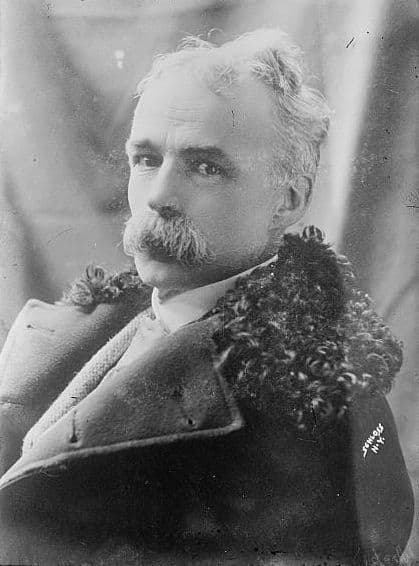
Julian Hawthorne
Julian Hawthorne was an American writer and journalist, born into a literary family as the son of renowned novelist Nathaniel Hawthorne. He carved out his own path in the literary world, producing a diverse body of work that included novels, poetry, short stories, and essays. His writings spanned various genres, with notable contributions to mystery and detective fiction, reflecting the evolving literary landscape of his time. Among his significant works are 'Bressant,' a novel exploring themes of identity and morality, and 'The Great God Pan,' which delves into the realms of horror and the supernatural. Hawthorne's literary significance lies not only in his prolific output but also in his ability to navigate the complexities of American literature in the late 19th and early 20th centuries. He often grappled with the legacy of his father's shadow while simultaneously establishing his own voice. His works contributed to the development of American fiction, particularly in the realms of psychological depth and moral inquiry. Despite facing challenges in gaining recognition during his lifetime, Julian Hawthorne's contributions to literature have been reevaluated over time, securing his place as a noteworthy figure in American literary history.
Famous Quotes
View all 3 quotes“...the natures of solitary people are apt to have more unmapped country in them than worldly folk imagine. They see and think and do things peculiar to themselves, and one may turn up buried treasure in them at any moment. ("Absolute Evil")”
“States of the atmosphere pass into us as water through the meshes of a sieve, and storms occur in us before they break upon the world without, creating restless sensations. ("Absolute Evil")”
“It did not occur to me that absence of human companionship does not assure solitude. It may, on the contrary, plunge one into an environment compared with which New York or London would appear deserts. For we take memory and imagination with us. The seabirds that scream overhead or waddle along the margins of the surf; the grotesque forms of twisted cedars; the rustle of sea-grass in the wind; the interminable percussion of the breakers; the dead infinity of the sand itself - there can be no solitude, in the sense of freedom from disturbances of thought, in the presence of such things. They draw us back into the maelstrom. ("Absolute Evil")”
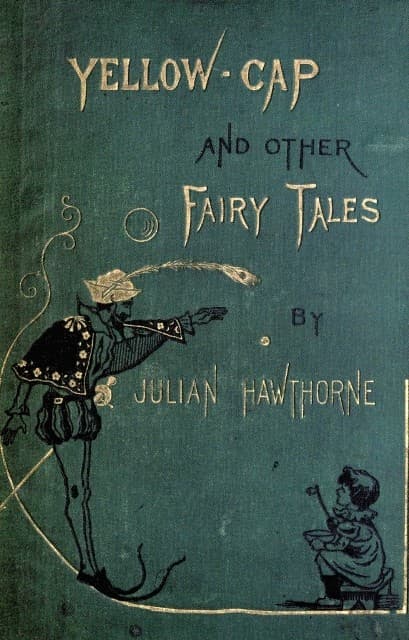
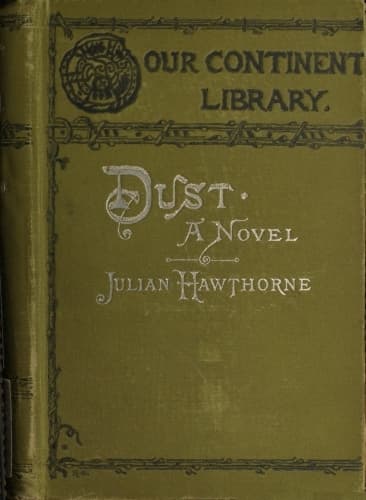
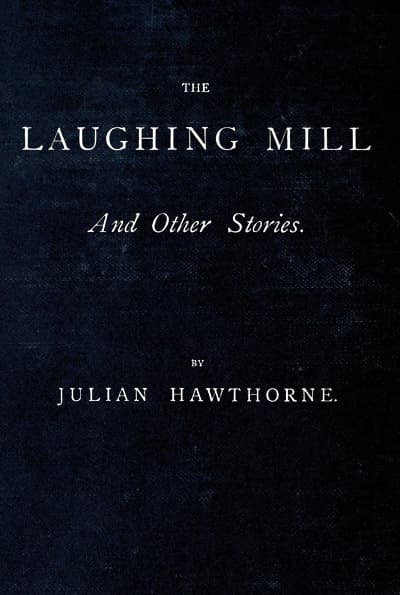
Books from the author





Link to this page
Add a free, dofollow link to Lex on your blog, forum, syllabus, or reading list.

<a href="https://lex-books.com/author/julian-hawthorne"><img src="https://lex-books.com/badges/read-on-lex.svg" alt="Julian Hawthorne on Lex" width="160" height="40"></a>[](https://lex-books.com/author/julian-hawthorne)[url=https://lex-books.com/author/julian-hawthorne][img]https://lex-books.com/badges/read-on-lex.svg[/img][/url]Julian Hawthorne on Lex: https://lex-books.com/author/julian-hawthorne