Juho Koskimaa
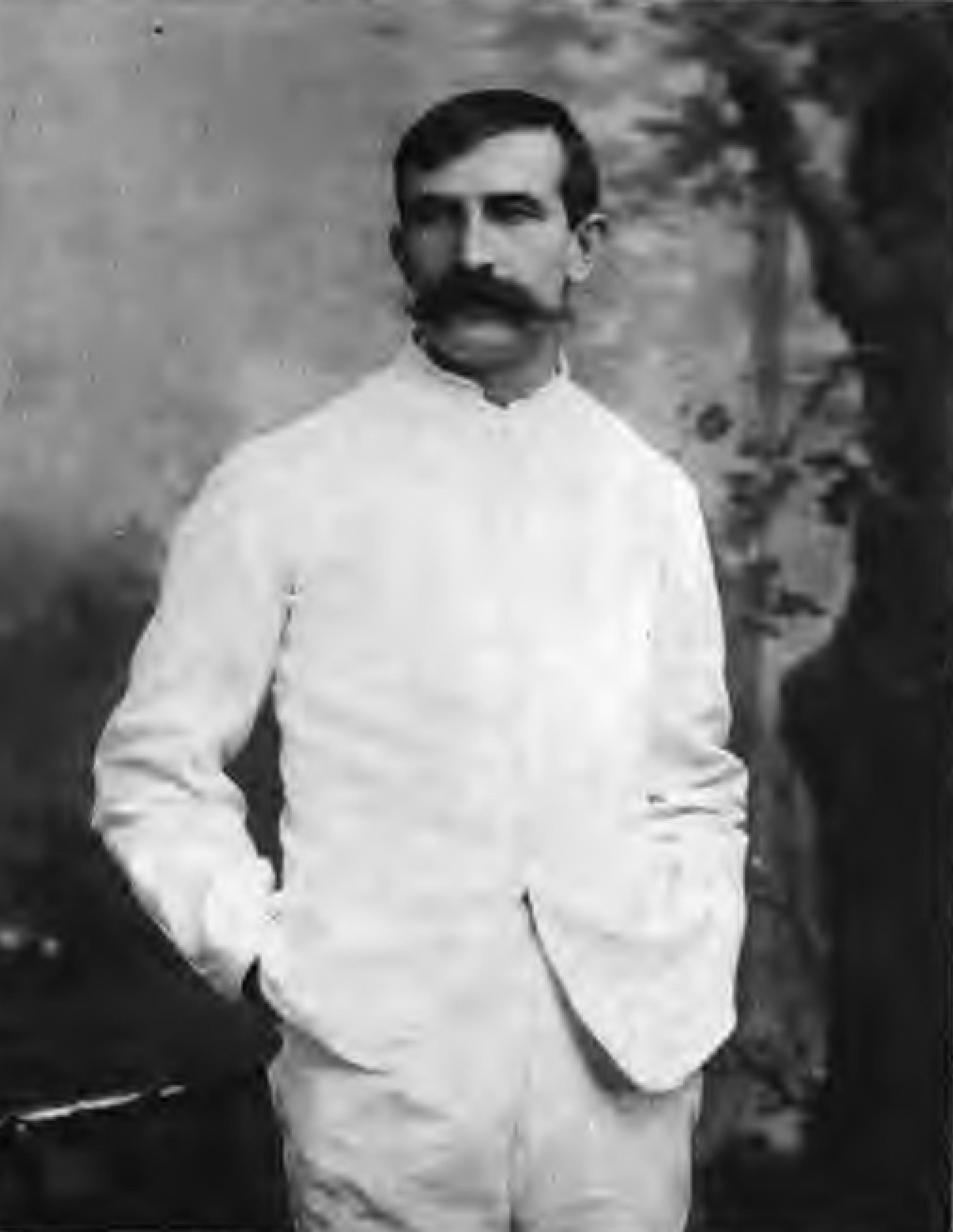
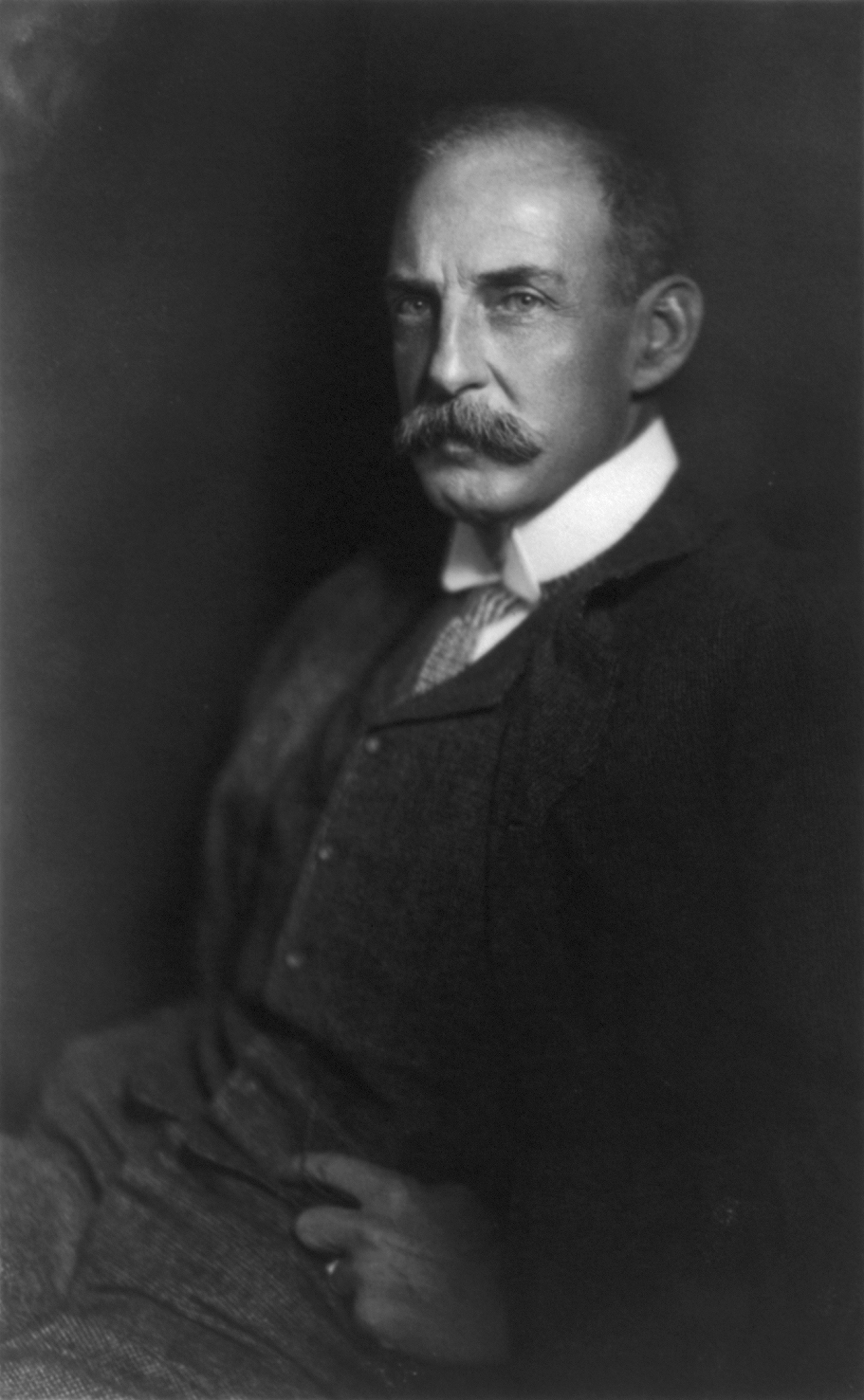
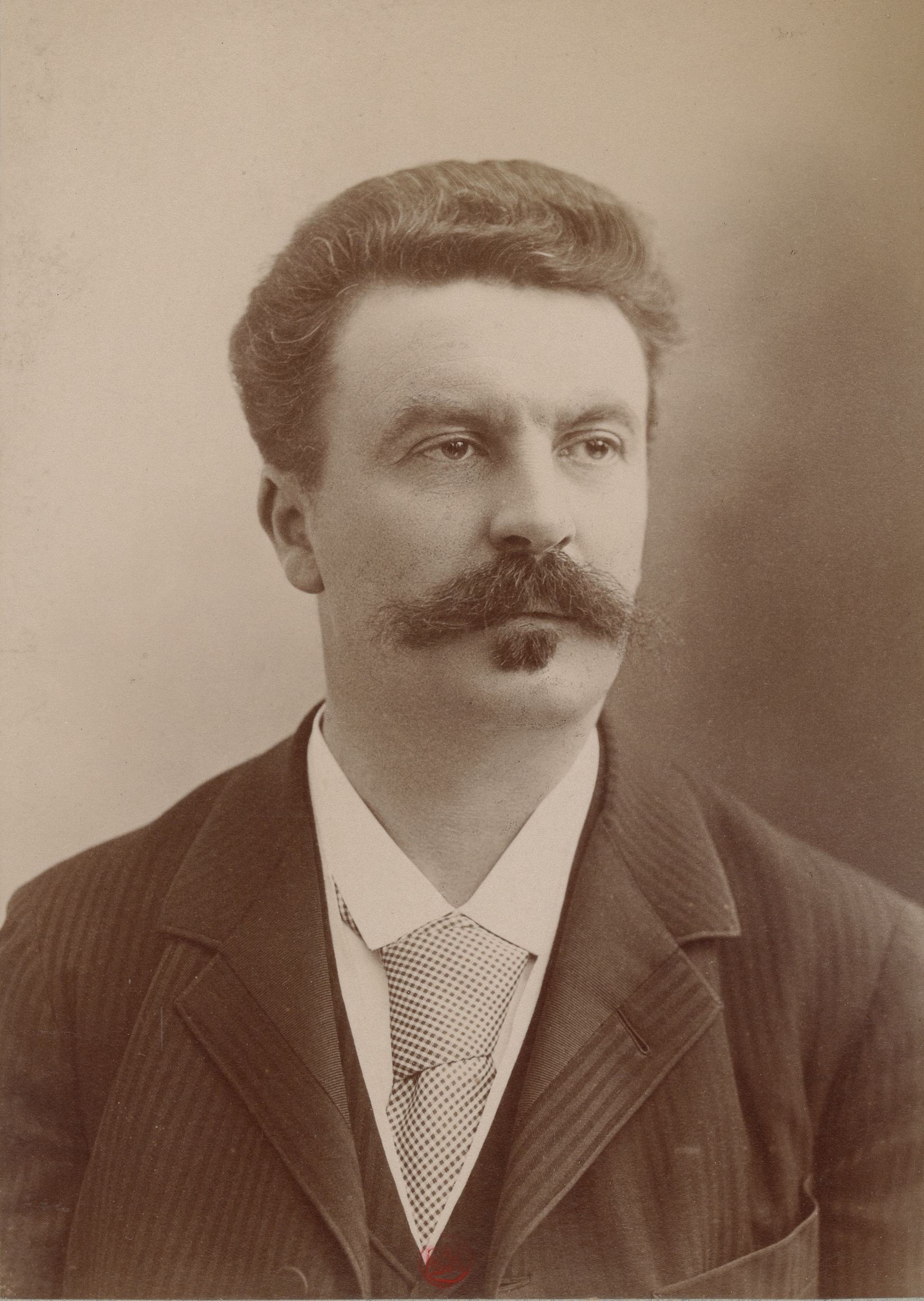
Juho Koskimaa was a Finnish author whose literary contributions in the early 20th century captured the essence of rural life and the complexities of human emotions. Born in 1891, Koskimaa's works often explored themes of identity, love, and the struggles of ordinary people against the backdrop of Finland's changing social landscape. His notable novels, such as 'Saaren Helmin Kunnia' and 'Harmaja Linna,' reflect a deep connection to the Finnish countryside and its cultural heritage, while also delving into the psychological depths of his characters. Koskimaa's storytelling is characterized by a blend of realism and lyrical prose, making his narratives both relatable and evocative. In works like 'Rappiolle: Kertomus Heikosta Miehestä' and 'Erään Miehen Omatunto,' he examined moral dilemmas and the human condition, often portraying the struggles of individuals in a rapidly modernizing society. His ability to weave local folklore and contemporary issues into his narratives has solidified his place in Finnish literature, influencing subsequent generations of writers. Koskimaa's untimely death in 1926 cut short a promising literary career, but his legacy endures through his insightful portrayals of Finnish life and culture.
Books from the author


Link to this page
Add a free, dofollow link to Lex on your blog, forum, syllabus, or reading list.

<a href="https://lex-books.com/author/juho-koskimaa"><img src="https://lex-books.com/badges/read-on-lex.svg" alt="Juho Koskimaa on Lex" width="160" height="40"></a>[](https://lex-books.com/author/juho-koskimaa)[url=https://lex-books.com/author/juho-koskimaa][img]https://lex-books.com/badges/read-on-lex.svg[/img][/url]Juho Koskimaa on Lex: https://lex-books.com/author/juho-koskimaa