Jon T. Hoffman
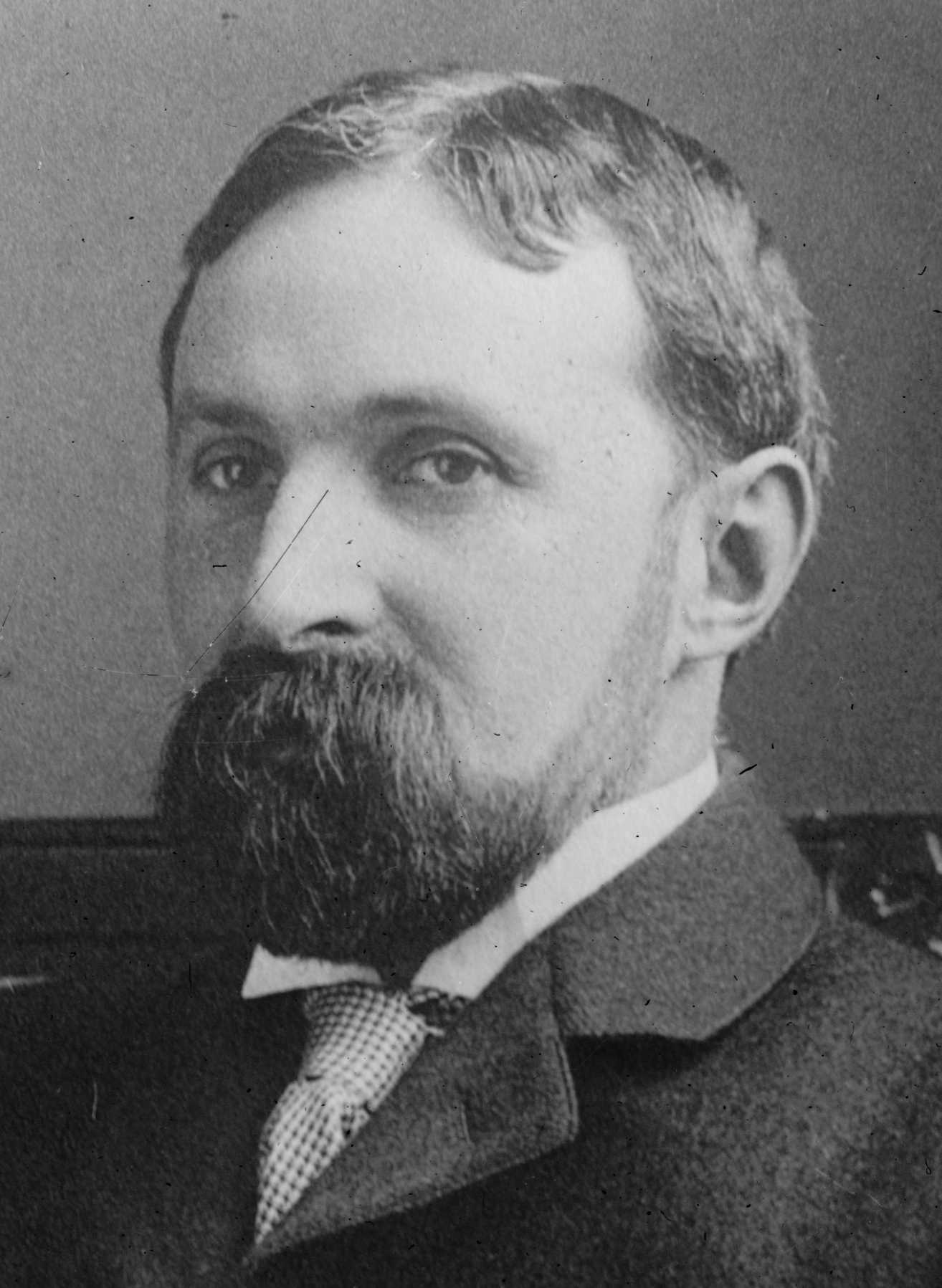
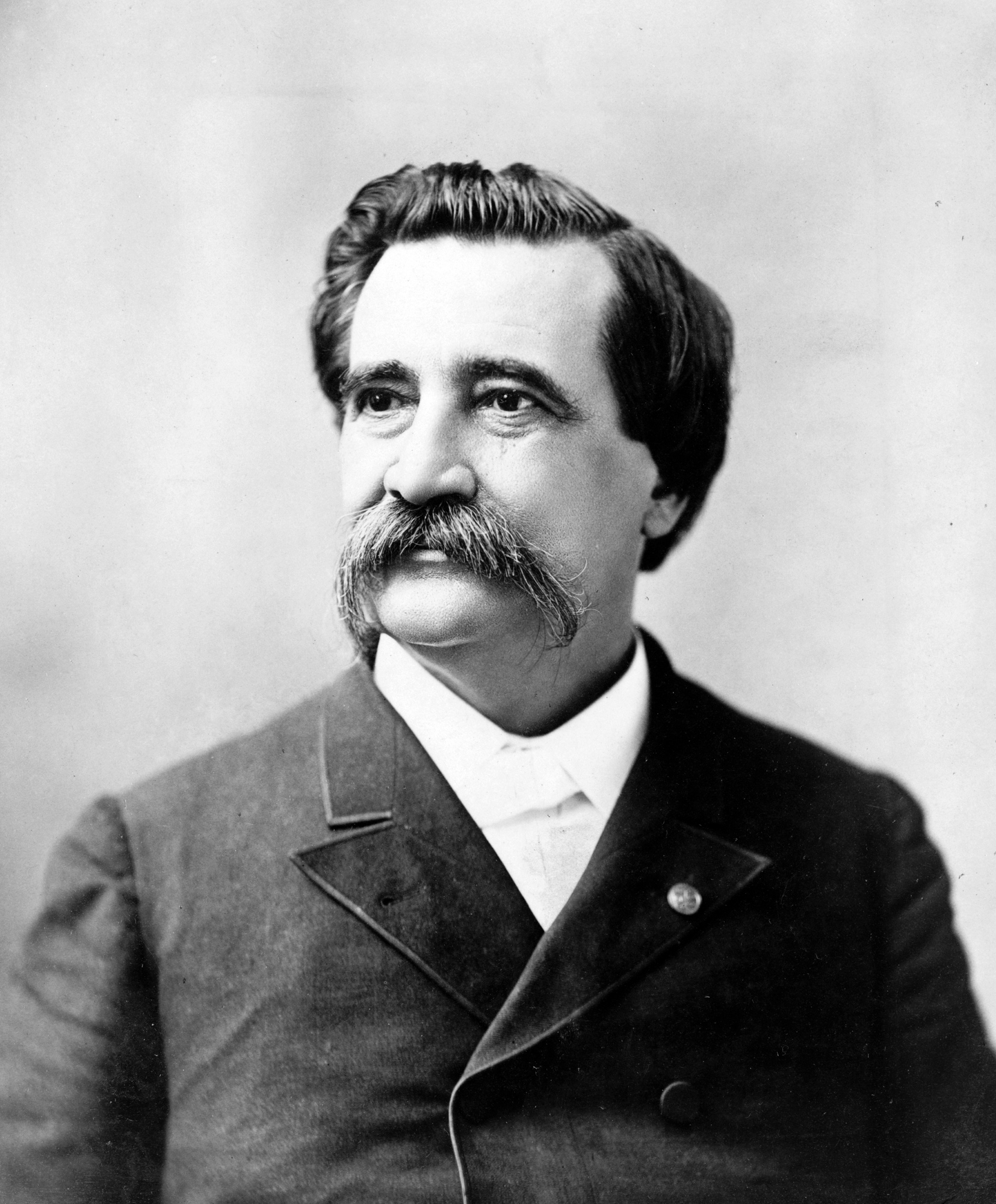
John Thompson Hoffman was a prominent American politician who served as the 23rd governor of New York from 1869 to 1872. Before his governorship, he held significant positions including recorder of New York City and mayor of New York City, where he was known for his efforts to reform municipal governance. Hoffman's political career was marked by his association with the notorious Tweed Ring, a group involved in extensive corruption during the 1860s. Although he faced scrutiny and his reputation suffered due to these connections, there was no evidence of his direct involvement in corrupt practices. Despite the challenges he faced, Hoffman's tenure as governor was notable for his attempts to address issues related to public finance and infrastructure. He advocated for improvements in the state's canal system and worked on various reforms aimed at enhancing the efficiency of state government. His legacy is intertwined with the tumultuous political landscape of post-Civil War New York, and he remains a significant figure as the last New York City mayor to ascend to the governorship. Hoffman's career serves as a reflection of the complexities of political life during a period marked by both progress and corruption.
Famous Quotes
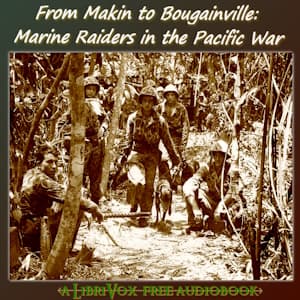
View all 1 quotes“The rare quality of outstanding leadership can come in many forms. Some inspire their followers with lofty words. Others command respect due to their unrivaled competence. Puller’s ability to motivate men came from a simpler source. His Marines knew that he would ask no more of them than he was willing to put forth himself, and that was everything he had. They knew that when they were putting their lives on the line, he would be right out front with them. They knew that he would zealously look out for their welfare and shield them as much as possible from both the daunting hardships and the petty troubles of a tough profession. They knew that he understood what they were going through and saw things from their point of view. He was, in their eyes, a lofty figure who was right at home among the lowliest of them. Few men can rise to greatness and still genuinely retain the common touch. Medals and rank never changed Puller; he possessed the heart of a private throughout his long career and his men idolized him for that simplicity. One editorial mourning his passing captured the result: “There were few Marines who would not have tried to establish a beachhead in hell at a nod from Chesty Puller.”2”
Audiobooks from the author



Link to this page
Add a free, dofollow link to Lex on your blog, forum, syllabus, or reading list.

<a href="https://lex-books.com/author/jon-t-hoffman"><img src="https://lex-books.com/badges/read-on-lex.svg" alt="Jon T. Hoffman on Lex" width="160" height="40"></a>[](https://lex-books.com/author/jon-t-hoffman)[url=https://lex-books.com/author/jon-t-hoffman][img]https://lex-books.com/badges/read-on-lex.svg[/img][/url]Jon T. Hoffman on Lex: https://lex-books.com/author/jon-t-hoffman