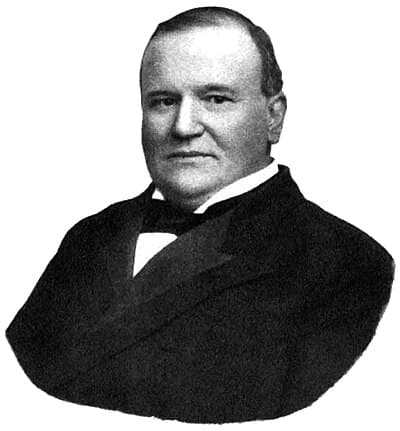
John William Bradley
John William Bradley was a prominent figure in the 19th and early 20th centuries, known for his contributions to the field of art and literature, particularly through his exploration of illuminated manuscripts. His work, 'Illuminated Manuscripts,' showcases his deep appreciation for the intricate artistry and historical significance of these texts, which were pivotal in the development of Western art and culture. Bradley's scholarship not only highlighted the aesthetic beauty of illuminated manuscripts but also emphasized their role in preserving knowledge and storytelling through the ages. Bradley's legacy lies in his ability to bridge the gap between art and literature, providing insights into the craftsmanship and cultural context of these manuscripts. His writings reflect a meticulous attention to detail and a passion for the historical narratives encapsulated within the pages of these works. By bringing attention to illuminated manuscripts, Bradley contributed to a greater understanding of their importance in the literary canon and their influence on subsequent artistic movements. His work remains a valuable resource for scholars and enthusiasts alike, underscoring the enduring significance of these historical artifacts in the study of art and literature.
Famous Quotes
View all 1 quotes“As the American Aryan’s desire to expand across the Pacific grew, Christian ministers observed that heathen Japan needed salvation and that Japan’s seclusion policy was not God’s way. The missionary Samuel Wells Williams wrote, “I have a full conviction that the seclusion policy of the nations of Eastern Asia is not according to God’s plan of mercy to these peoples, and their government must change them through fear or force, that his people may be free.”13 In 1852, the secretary of the Navy, John Kennedy, wrote that Japan must recognize “its Christian obligation to join the family of Christendom.”14 Echoing similar arguments made earlier about Native American gold mines, the secretary of state, Daniel Webster, argued that Japan had “no right” to refuse the U.S. Navy’s “reasonable” request to commandeer Japanese sovereign soil for its coaling stations because the coal at issue was “but a gift of Providence, deposited, by the Creator of all things, in the depths of the Japanese islands for the benefit of the human family.””
Books from the author


Link to this page
Add a free, dofollow link to Lex on your blog, forum, syllabus, or reading list.

<a href="https://lex-books.com/author/john-william-bradley"><img src="https://lex-books.com/badges/read-on-lex.svg" alt="John William Bradley on Lex" width="160" height="40"></a>[](https://lex-books.com/author/john-william-bradley)[url=https://lex-books.com/author/john-william-bradley][img]https://lex-books.com/badges/read-on-lex.svg[/img][/url]John William Bradley on Lex: https://lex-books.com/author/john-william-bradley