
John Steinbeck
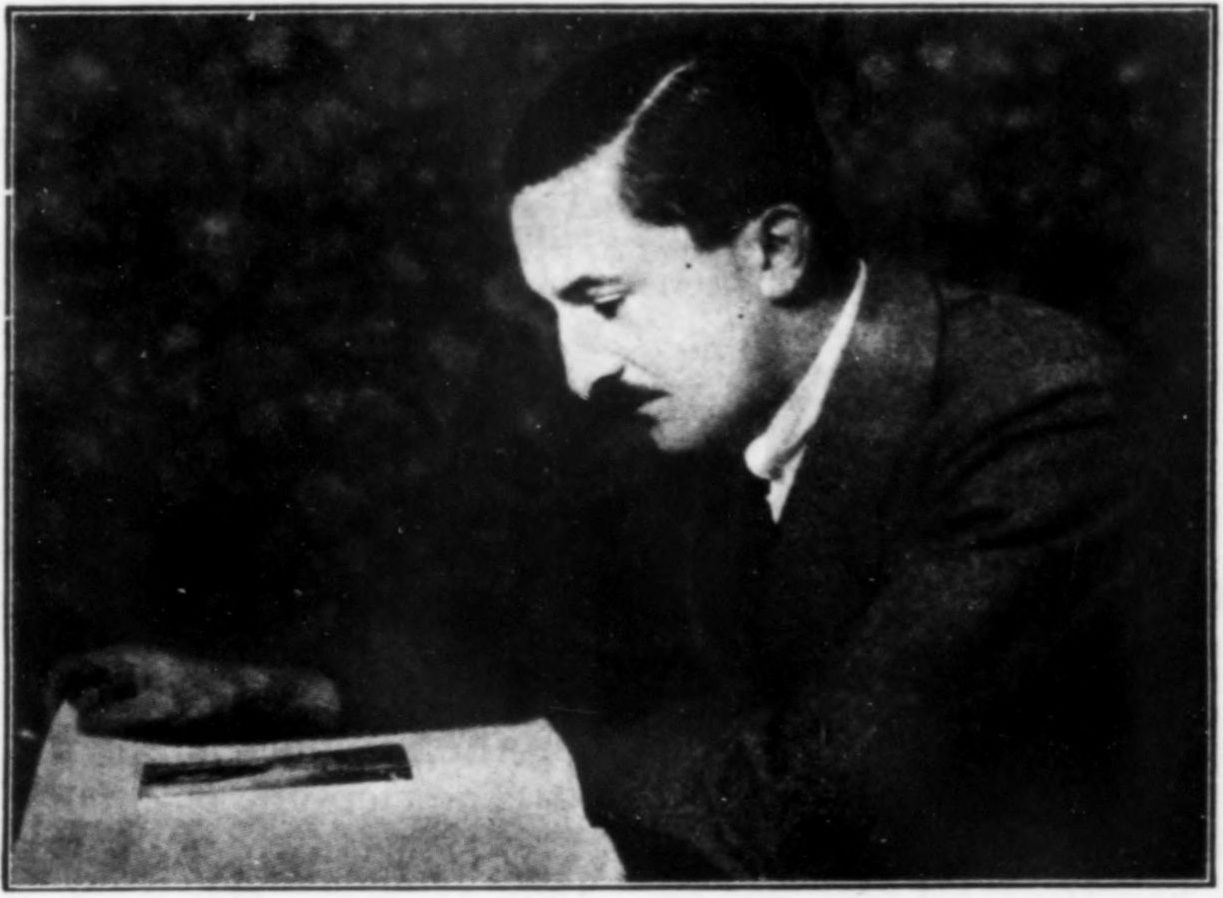
John Steinbeck was an American novelist and social commentator whose works captured the struggles of the working class during the Great Depression. Born in Salinas, California, he drew heavily from his experiences in the region, which became a backdrop for many of his stories. Steinbeck's most notable works include 'The Grapes of Wrath,' which chronicles the plight of Dust Bowl migrants, and 'Of Mice and Men,' a poignant tale of friendship and dreams among itinerant workers. His ability to weave rich narratives with deep social commentary earned him a place among the great American writers of the 20th century. Steinbeck's literary significance lies not only in his storytelling but also in his exploration of themes such as poverty, injustice, and the human condition. His works often highlighted the dignity of the downtrodden and critiqued the socio-economic structures that oppressed them. Steinbeck received the Nobel Prize in Literature in 1962, recognizing his ability to create a vivid portrayal of the American experience. His legacy endures, influencing generations of writers and continuing to resonate in discussions about social justice and human rights.
Books from the author



















Link to this page
Add a free, dofollow link to Lex on your blog, forum, syllabus, or reading list.

<a href="https://lex-books.com/author/john-steinbeck"><img src="https://lex-books.com/badges/read-on-lex.svg" alt="John Steinbeck on Lex" width="160" height="40"></a>[](https://lex-books.com/author/john-steinbeck)[url=https://lex-books.com/author/john-steinbeck][img]https://lex-books.com/badges/read-on-lex.svg[/img][/url]John Steinbeck on Lex: https://lex-books.com/author/john-steinbeck