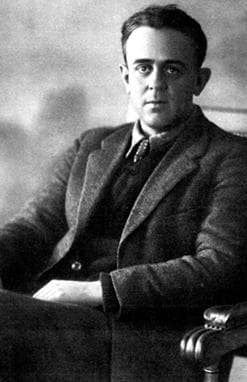
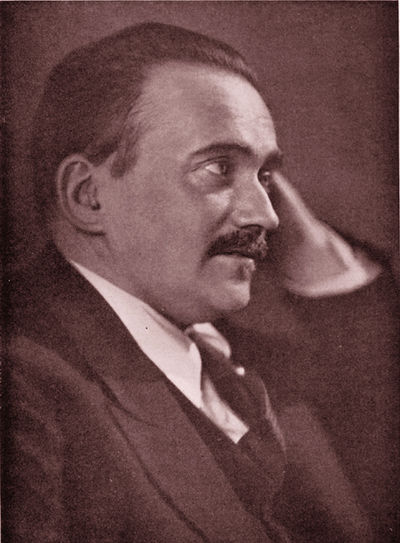
John Reed
John Reed was an American journalist, poet, and socialist activist, best known for his firsthand accounts of the Russian Revolution. Born in 1887 in Portland, Oregon, Reed was educated at Harvard University, where he developed a passion for writing and political activism. His experiences as a war correspondent during World War I and his subsequent travels to Russia in 1917 profoundly shaped his worldview and literary output. Reed's most notable work, 'Ten Days That Shook the World,' is a vivid and passionate chronicle of the October Revolution, capturing the fervor and chaos of the time. This work remains a seminal text in both journalism and revolutionary literature, providing a unique perspective on the events that transformed Russia and inspired leftist movements worldwide. Reed's contributions extended beyond his writings; he was a prominent figure in the American Communist movement and played a significant role in the formation of the Communist Party of the United States. His commitment to social justice and his critique of capitalism resonated with many, making him a key figure in early 20th-century American radicalism. Despite his untimely death at the age of 33, Reed's legacy endures through his influential works and his passionate advocacy for social change, marking him as a pivotal voice in the intersection of literature and political activism.
Famous Quotes
View all 3 quotes“I suddenly realised that the devout Russian people no longer needed priests to pray them into heaven. On earth they were building a kingdom more bright than any heaven had to offer, and for which it was a glory to die….”
“So, with the crash of artillery, in the dark, with hatred, and fear, and reckless daring, new Russia was being born.”
“Carlyle, in his French Revolution, has described the French people as distinguished above all others by their faculty of standing in queue. Russia had accustomed herself to the practice, begun in the reign of Nicholas the Blessed as long ago as 1915, and from then continued intermittently until the summer of 1917, when it settled down as the regular order of things.”
Books from the author






Link to this page
Add a free, dofollow link to Lex on your blog, forum, syllabus, or reading list.

<a href="https://lex-books.com/author/john-reed"><img src="https://lex-books.com/badges/read-on-lex.svg" alt="John Reed on Lex" width="160" height="40"></a>[](https://lex-books.com/author/john-reed)[url=https://lex-books.com/author/john-reed][img]https://lex-books.com/badges/read-on-lex.svg[/img][/url]John Reed on Lex: https://lex-books.com/author/john-reed