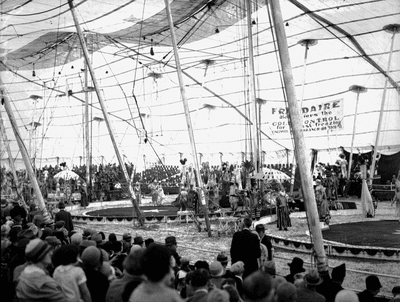
John H. Robinson
John H. Robinson was an American author and educator known for his contributions to aviculture, the practice of breeding and raising birds. His most notable work, 'Our Domestic Birds: Elementary Lessons in Aviculture,' served as an essential guide for bird enthusiasts and aspiring aviculturists. In this book, Robinson provided practical advice on the care, breeding, and management of various domestic bird species, reflecting his deep understanding of ornithology and his passion for educating others about the joys of keeping birds. Robinson's work was significant in promoting the appreciation of domestic birds and contributed to the growing interest in aviculture during the early 20th century. His clear and accessible writing style made complex concepts understandable for a wide audience, helping to foster a community of bird lovers and breeders. Through his educational efforts, Robinson left a lasting impact on the field of aviculture, inspiring future generations to engage with and care for domestic birds.
Famous Quotes
View all 1 quotes“H, the information of the message, as the logarithm of the number of possible sequences of symbols which might have been selected and showed that H = n log s Here n is the number of symbols selected, and s is the number of different symbols in the set from which symbols are selected. This is acceptable in the light of our present knowledge of information theory only if successive symbols are chosen independently and if any of the s symbols is equally likely to be selected. In this case, we need merely note, as before, that the logarithm of s, the number of symbols, is the number of independent 0-or-1 choices that can be represented or sent simultaneously, and it is reasonable that the rate of transmission of information should be the rate of sending symbols per second n, times the number of independent 0-or-1 choices that can be conveyed per symbol. Hartley goes on to the problem of encoding””
Books from the author





Link to this page
Add a free, dofollow link to Lex on your blog, forum, syllabus, or reading list.

<a href="https://lex-books.com/author/john-h-robinson"><img src="https://lex-books.com/badges/read-on-lex.svg" alt="John H. Robinson on Lex" width="160" height="40"></a>[](https://lex-books.com/author/john-h-robinson)[url=https://lex-books.com/author/john-h-robinson][img]https://lex-books.com/badges/read-on-lex.svg[/img][/url]John H. Robinson on Lex: https://lex-books.com/author/john-h-robinson