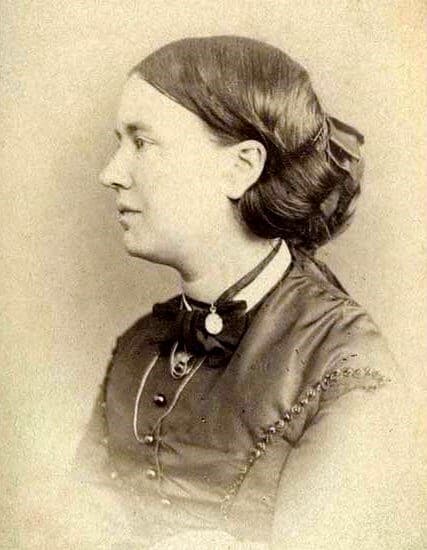
Jean Ingelow
Jean Ingelow was an English poet and novelist who emerged as a significant literary figure in the mid-19th century. She gained sudden fame with the publication of her poem 'The High Tide on the Coast of Lincolnshire' in 1863, which showcased her lyrical prowess and deep emotional resonance. Ingelow's work often explored themes of nature, spirituality, and the human experience, reflecting the Victorian era's concerns and sensibilities. Her poetry was characterized by its musicality and vivid imagery, earning her a place among the notable poets of her time. In addition to her poetry, Ingelow wrote several children's stories, contributing to the genre with works that combined moral lessons with engaging narratives. Her novels, such as 'Mopsa the Fairy' and 'The Little Wonder,' further demonstrated her versatility as a writer. Ingelow's literary significance lies not only in her ability to capture the essence of her era but also in her influence on later generations of poets and writers. Her legacy continues to be recognized for its contributions to both poetry and children's literature, marking her as a noteworthy figure in the landscape of 19th-century English literature.
Famous Quotes
View all 3 quotes“I have lived to thank God that all my prayers have not been answered.”
“A healthful hunger for a great idea is the beauty and blessedness of life.”
“Keriangan adalah ucapan terima kasih kita kepada Tuhan.”
Books from the author



Link to this page
Add a free, dofollow link to Lex on your blog, forum, syllabus, or reading list.

<a href="https://lex-books.com/author/jean-ingelow"><img src="https://lex-books.com/badges/read-on-lex.svg" alt="Jean Ingelow on Lex" width="160" height="40"></a>[](https://lex-books.com/author/jean-ingelow)[url=https://lex-books.com/author/jean-ingelow][img]https://lex-books.com/badges/read-on-lex.svg[/img][/url]Jean Ingelow on Lex: https://lex-books.com/author/jean-ingelow