James L. Ford
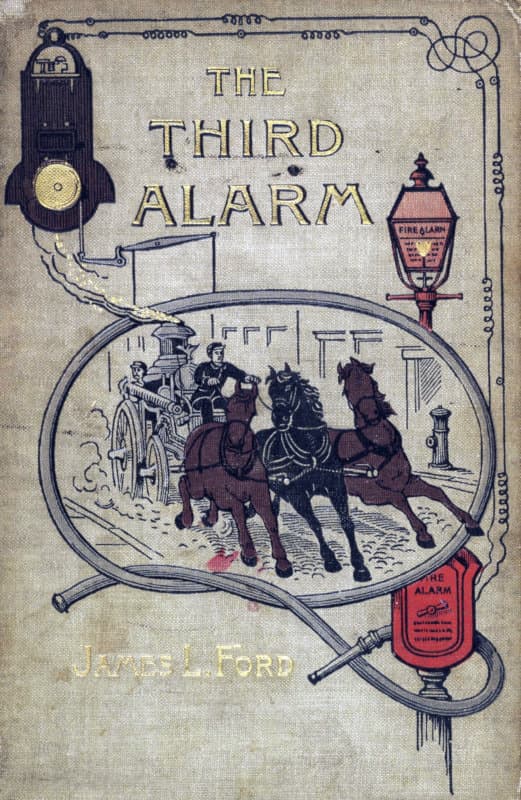
James L. Ford was an American author known for his contributions to early 20th-century literature, particularly in the realm of short stories and fiction that often reflected the realities of urban life. His notable works include 'The Literary Shop, and Other Tales,' which showcases his keen observations of the literary world and the struggles of writers in a rapidly changing society. Ford's writing is characterized by its vivid characterizations and an insightful exploration of the human condition, making his stories resonate with readers seeking both entertainment and reflection. Another significant work, 'The Third Alarm: A Story of the New York Fire Department,' highlights Ford's ability to capture the heroism and challenges faced by firefighters in New York City. This narrative not only serves as a thrilling tale of bravery but also offers a glimpse into the social dynamics and dangers of urban life during that era. Through his storytelling, Ford contributed to the rich tapestry of American literature, providing a voice to the experiences of ordinary individuals in extraordinary circumstances. His legacy lies in his ability to weave together the personal and the universal, making his works a valuable part of the literary canon of his time.
Famous Quotes
View all 2 quotes“The greatest danger we face from this machine age is that we will become engrossed with mechanical gadgets and forget we have hearts. Man cannot live by bread alone nor by machinery alone. The heart must be nurtured. For this reason the prophet and the poet are more important to a nation than the engineer or the inventor. Longfellow and Whittier have meant more to us than Edison or Ford. Burns’s songs have meant more to Scotland than Watts’s steam engine.””
“A fi înseamnă a fi definit printr-o formă, un stil. Nu pierzi niciodată imaginea care dă formă sufletului tău, tiparul misiunii tale. Toți suntem marcați; fiecare este unic. Pentru suflet ideea de mediocru nu are niciun sens.Să nu confundăm darurile particulare - cum ar fi darul pentru vioară al lui Menuhin, pentru fizică al lui Teller, pentru mecanică al lui Ford - cu vocația. Talentul este doar o parte a imaginii; mulți sunt născuți cu talente muzicale, matematice și mecanice, dar excepționalitatea se produce numai atunci când întregul imaginii este ghidat de caracter. Mulți chemați, puțini aleși; mulți au talent, puțini au caracterul care să-l realizeze. Caracterul este misterul și este un mister individual.””
Books from the author







Link to this page
Add a free, dofollow link to Lex on your blog, forum, syllabus, or reading list.

<a href="https://lex-books.com/author/james-l-ford"><img src="https://lex-books.com/badges/read-on-lex.svg" alt="James L. Ford on Lex" width="160" height="40"></a>[](https://lex-books.com/author/james-l-ford)[url=https://lex-books.com/author/james-l-ford][img]https://lex-books.com/badges/read-on-lex.svg[/img][/url]James L. Ford on Lex: https://lex-books.com/author/james-l-ford