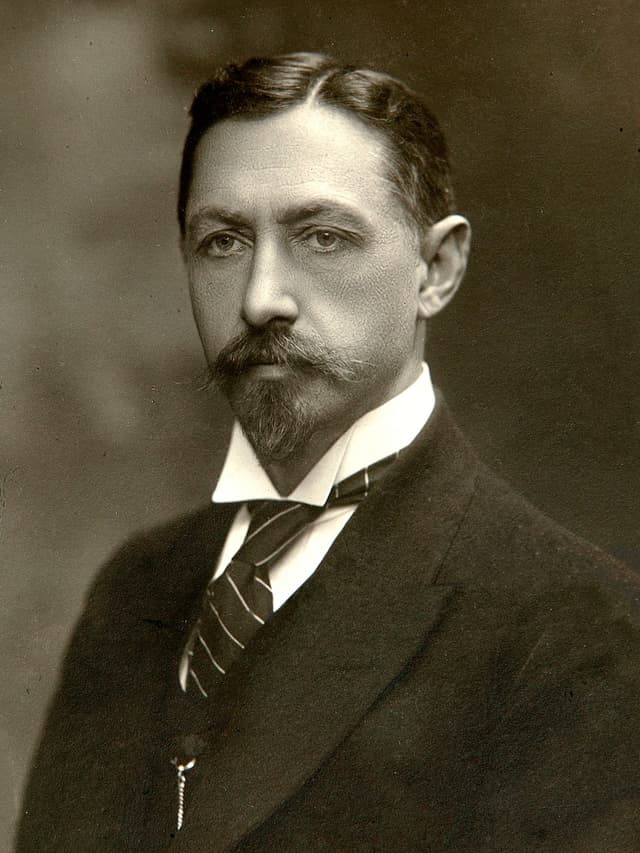
Ivan Alekseevich Bunin
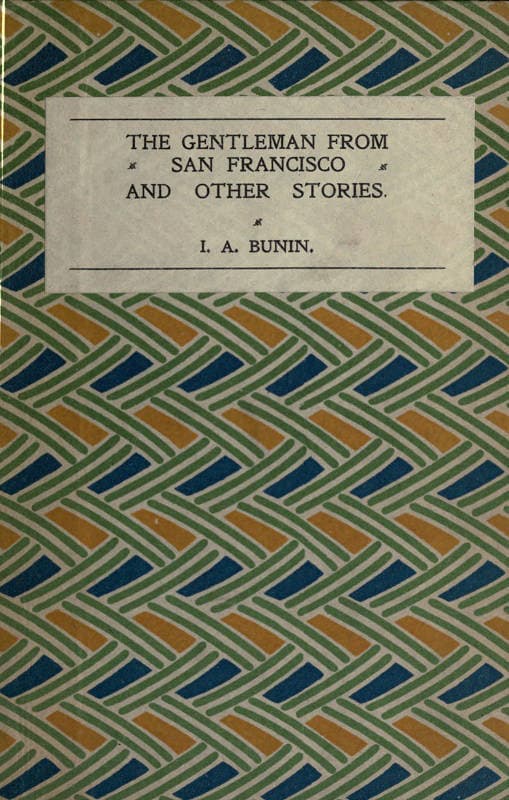
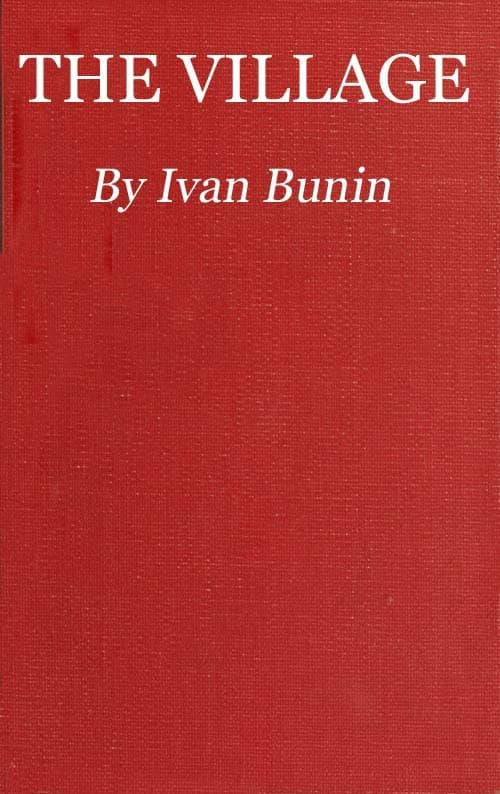
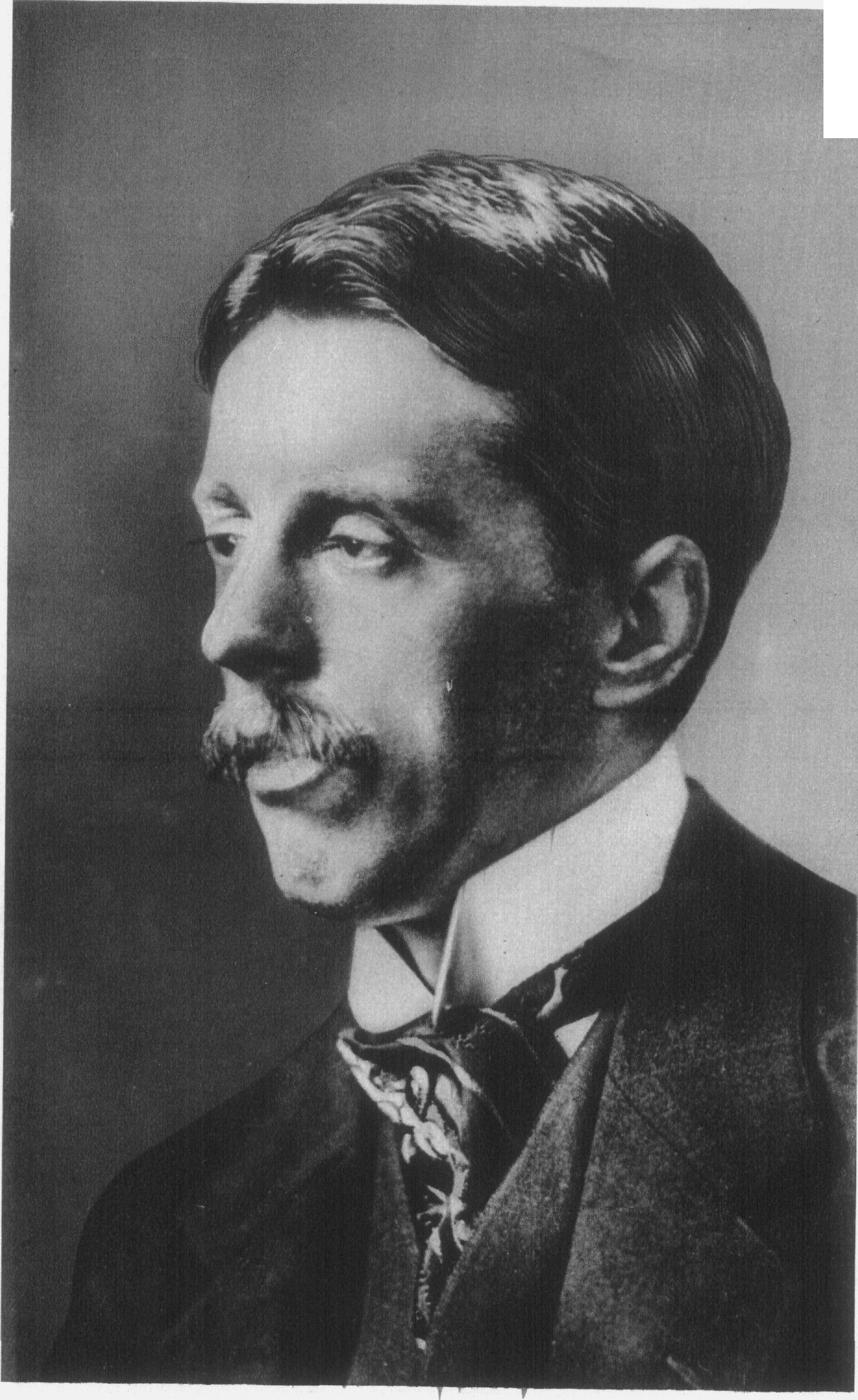
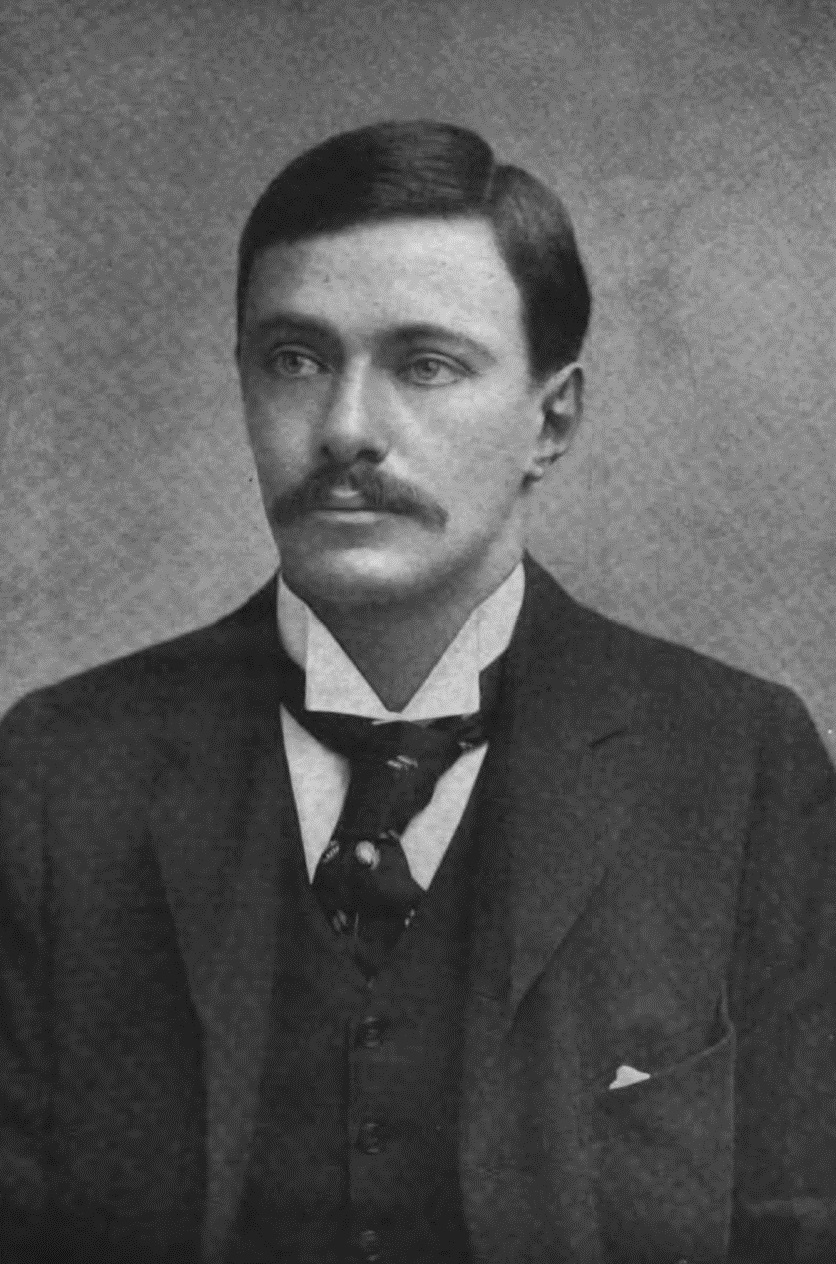
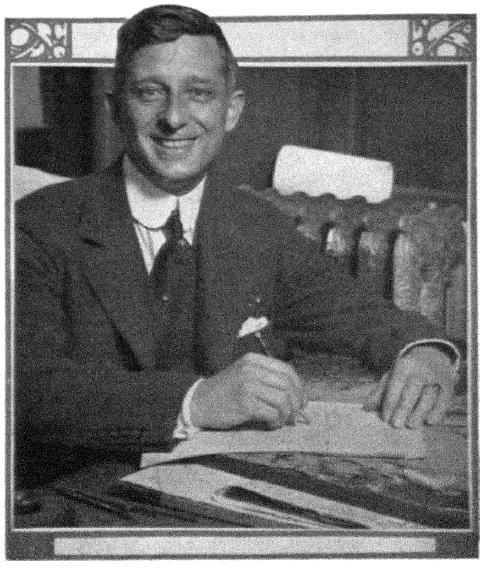
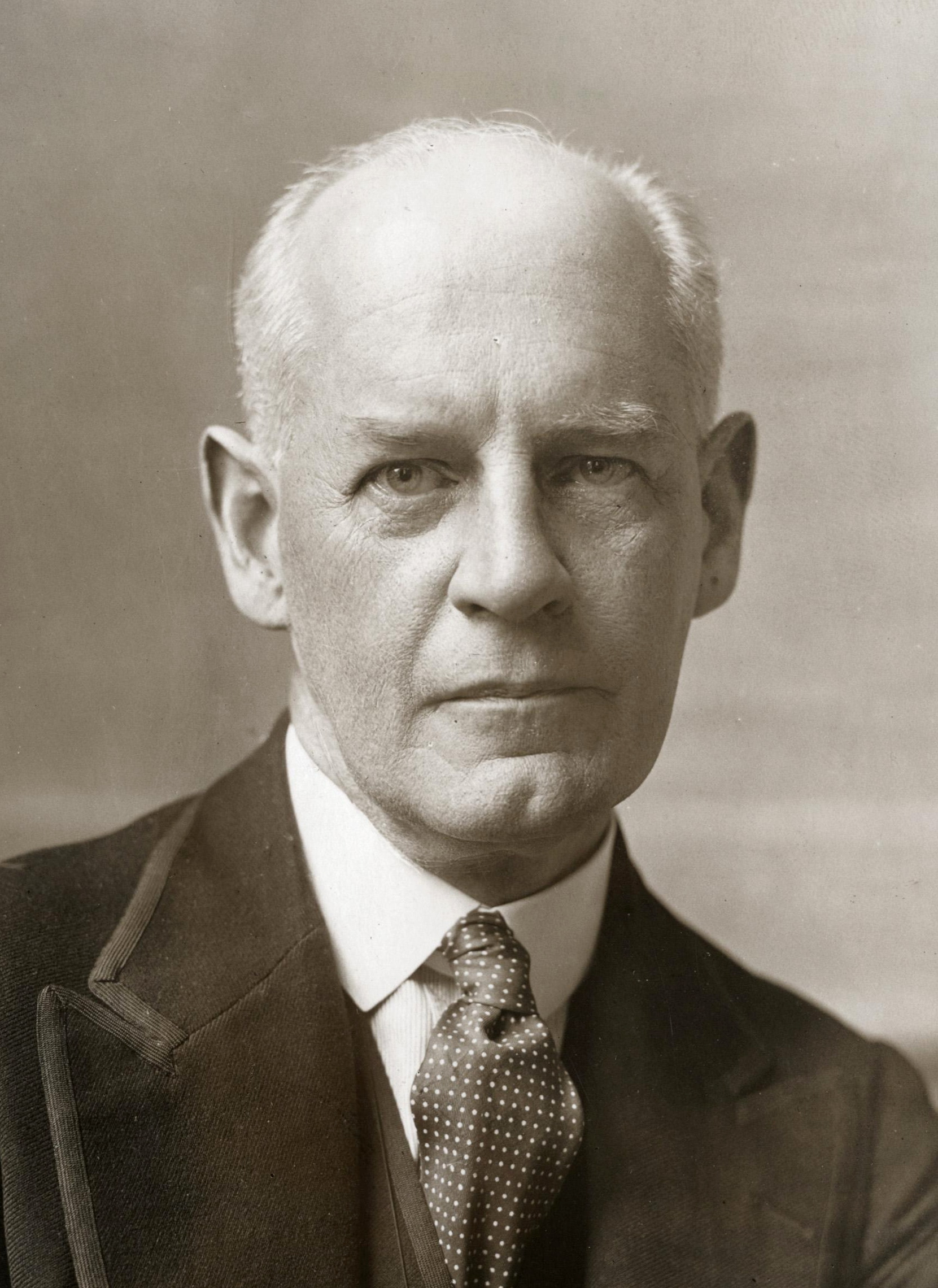
Ivan Alekseevich Bunin was a distinguished Russian writer, recognized as the first recipient of the Nobel Prize in Literature in 1933. His literary career was marked by a commitment to the classical traditions of Russian prose and poetry, characterized by a meticulous artistry that earned his works the description of 'Bunin brocade' for their rich texture. Among his most notable contributions are the short novels 'The Village' (1910) and 'Dry Valley' (1912), as well as the autobiographical novel 'The Life of Arseniev' (1933, 1939). His collection of short stories, 'Dark Avenues' (1946), and his poignant diary, 'Cursed Days' (1926), further illustrate his profound engagement with themes of memory, loss, and the human condition. Bunin's literary significance lies not only in his mastery of form but also in his role as a bridge between the classical Russian literary tradition and the modernist movements of the early 20th century. Revered by white émigrés and European critics alike, he was seen as a rightful heir to the legacies of Tolstoy and Chekhov. His works continue to resonate within the canon of Russian literature, reflecting the complexities of life in a tumultuous era and establishing him as a pivotal figure in the evolution of narrative style and thematic depth in prose.
Books from the author


Link to this page
Add a free, dofollow link to Lex on your blog, forum, syllabus, or reading list.

<a href="https://lex-books.com/author/ivan-alekseevich-bunin"><img src="https://lex-books.com/badges/read-on-lex.svg" alt="Ivan Alekseevich Bunin on Lex" width="160" height="40"></a>[](https://lex-books.com/author/ivan-alekseevich-bunin)[url=https://lex-books.com/author/ivan-alekseevich-bunin][img]https://lex-books.com/badges/read-on-lex.svg[/img][/url]Ivan Alekseevich Bunin on Lex: https://lex-books.com/author/ivan-alekseevich-bunin