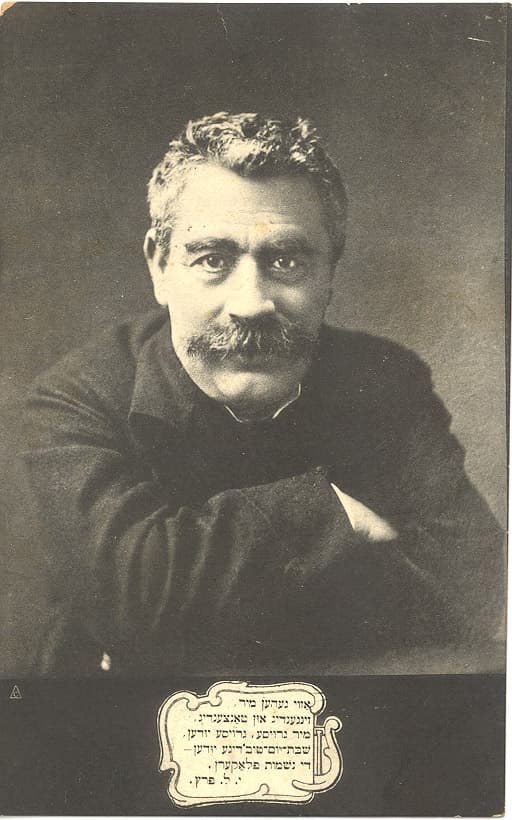
Isaac Loeb Peretz
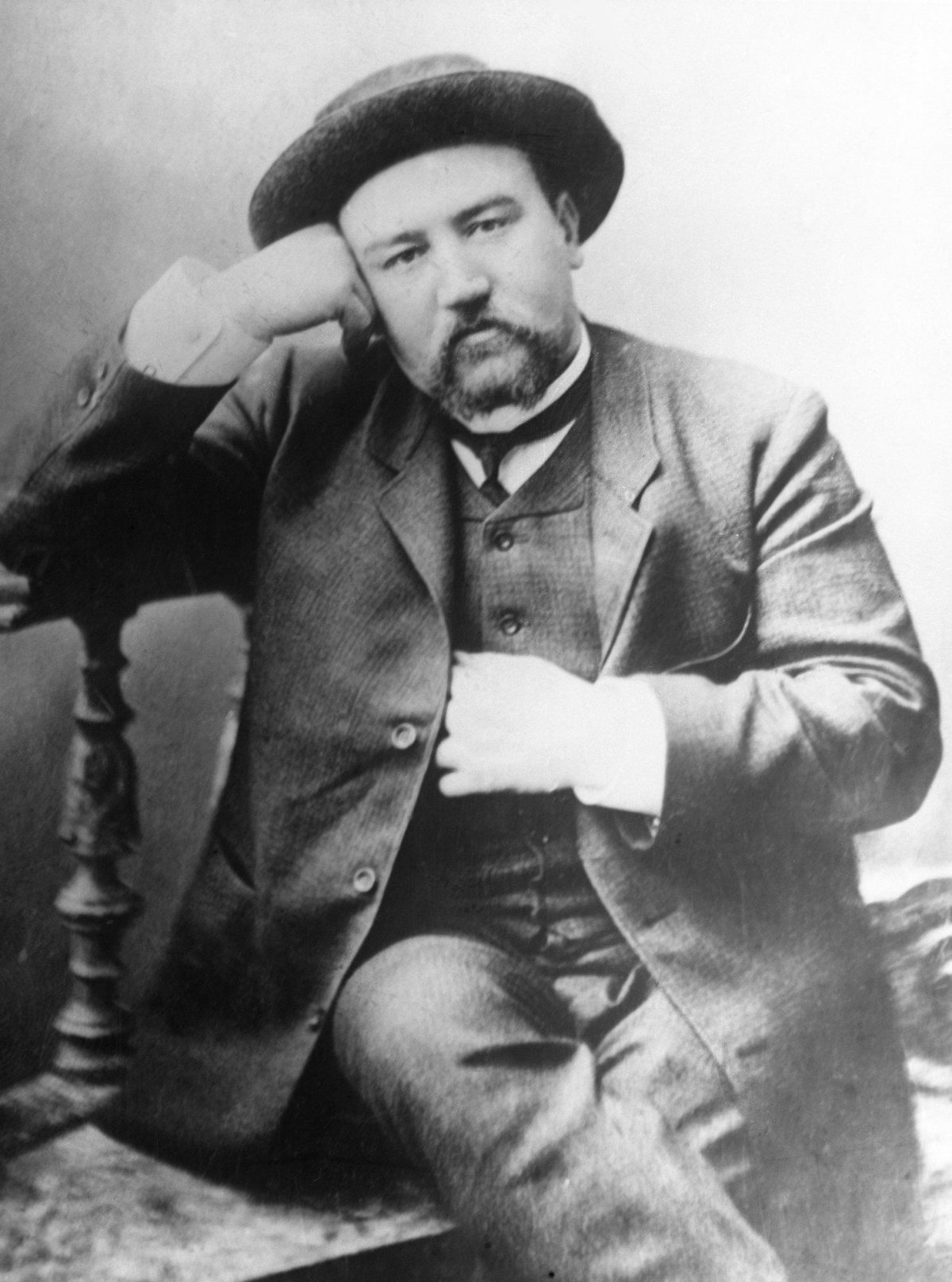
Isaac Loeb Peretz was a pivotal figure in Yiddish literature, recognized as one of the three great classical Yiddish writers alongside Mendele Mokher Seforim and Sholem Aleichem. His works, which include notable short stories such as "If Not Higher," "The Treasure," and "Beside the Dying," explored themes of Jewish identity, tradition, and the complexities of human experience. Peretz's writing was characterized by a deep respect for Jewish culture and history, as he sought to portray the unique character of the Jewish people through their struggles and aspirations. He believed in the importance of sincere piety over mere religious formality, advocating for a literature that reflected the lived experiences of Jewish individuals. Peretz's literary significance extended beyond his narratives; he was a cultural awakener for Yiddish-speaking Jewry, inspiring a sense of self-emancipation and resilience among his readers. He rejected the notion of cultural universalism, instead celebrating the distinctiveness of various nations and their histories. His appreciation for Hasidic traditions, combined with a realistic understanding of human frailty, allowed him to create a rich tapestry of characters and stories that resonated deeply within the Jewish community. Peretz's legacy endures as a cornerstone of Yiddish literature, influencing generations of writers and thinkers who followed in his footsteps.
Books from the author





Link to this page
Add a free, dofollow link to Lex on your blog, forum, syllabus, or reading list.

<a href="https://lex-books.com/author/isaac-loeb-peretz"><img src="https://lex-books.com/badges/read-on-lex.svg" alt="Isaac Loeb Peretz on Lex" width="160" height="40"></a>[](https://lex-books.com/author/isaac-loeb-peretz)[url=https://lex-books.com/author/isaac-loeb-peretz][img]https://lex-books.com/badges/read-on-lex.svg[/img][/url]Isaac Loeb Peretz on Lex: https://lex-books.com/author/isaac-loeb-peretz