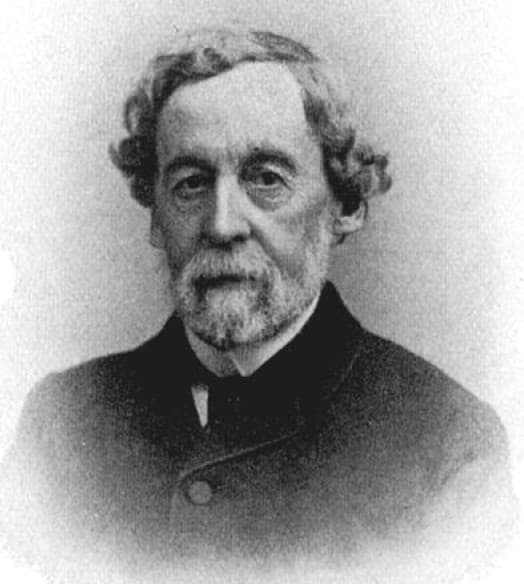
Horatio Hale
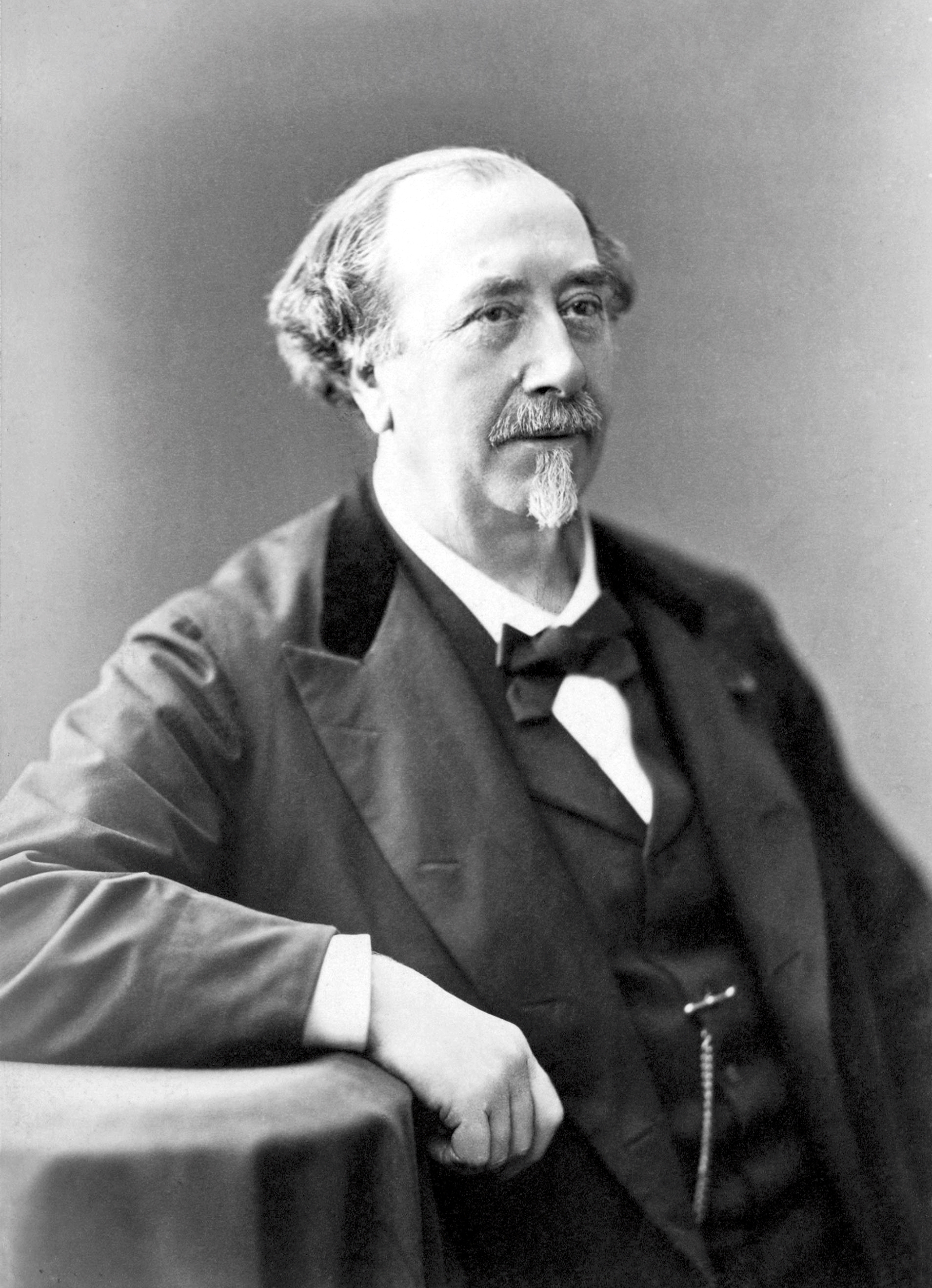
Horatio Hale was an American-Canadian ethnologist and philologist whose pioneering work in language classification significantly advanced the understanding of Native American cultures. He is best known for his research on the Tutelo language, which he identified as part of the Siouan family, and for his analysis of the Cherokee language, linking it to the Iroquoian family. His linguistic studies provided crucial insights into the migrations and historical connections of various indigenous peoples in North America. In 1883, Hale published the 'Iroquois Book of Rites,' a seminal work that drew upon his translations of the only two known historic manuscripts of the Iroquois. This publication was enriched by his extensive interactions with tribal elders, through which he interpreted Iroquois wampum belts, thereby illuminating the prehistory and cultural practices of the Iroquois people. Hale's contributions to ethnology and linguistics not only preserved vital aspects of Native American heritage but also laid the groundwork for future studies in these fields, marking him as a significant figure in the understanding of indigenous languages and cultures in North America.
Famous Quotes
View all 1 quotes“Now to-day I have been greatly startled by your voice coming through the forest to this opening. You have come with troubled mind through all obstacles. You kept seeing the places where they met on whom we depended, my offspring. How then can your mind be at ease? You kept seeing the footmarks of our fore-fathers; and all but perceptible is the smoke where they used to smoke the pipe together. Can then your mind be at ease when you are weeping on your way? Great thanks now, therefore, that you have safely arrived. Now, then, let us smoke the pipe together. Because all around are hostile agencies which are each thinking, 'I will frustrate their purpose.' Here thorny ways, and here falling trees, and here wild beasts lying in ambush. Either by these you might have perished, my offspring, or, here by floods you might have been destroyed, my offspring, or by the uplifted hatchet in the dark outside the house. Every day these are wasting us; or deadly invisible disease might have destroyed you, my offspring.”
Books from the author


Link to this page
Add a free, dofollow link to Lex on your blog, forum, syllabus, or reading list.

<a href="https://lex-books.com/author/horatio-hale"><img src="https://lex-books.com/badges/read-on-lex.svg" alt="Horatio Hale on Lex" width="160" height="40"></a>[](https://lex-books.com/author/horatio-hale)[url=https://lex-books.com/author/horatio-hale][img]https://lex-books.com/badges/read-on-lex.svg[/img][/url]Horatio Hale on Lex: https://lex-books.com/author/horatio-hale