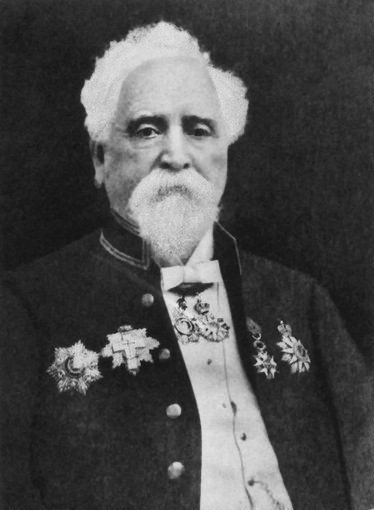
Hiram S. Maxim
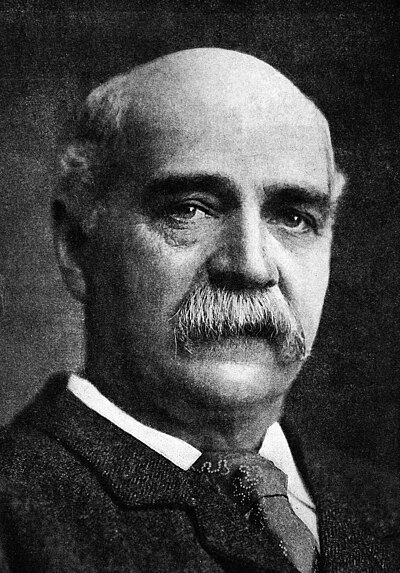
Hiram S. Maxim was an American inventor and entrepreneur, best known for his groundbreaking work in the field of firearms and machine guns. Born in Maine, he displayed an early aptitude for mechanics and engineering, which led him to a career that would significantly impact military technology. Maxim's most notable invention, the Maxim gun, was the first fully automatic machine gun, revolutionizing warfare by allowing a single operator to fire hundreds of rounds per minute. This invention not only changed the dynamics of battle but also influenced the development of subsequent firearms and military strategies around the world. In addition to his work on firearms, Maxim was also involved in various other inventions, including an early version of the airplane and a type of portable electric light. His contributions extended beyond mere invention; he was a controversial figure who engaged in discussions about the implications of his work on society and warfare. Maxim's legacy is a complex one, as he is both celebrated for his ingenuity and critiqued for the destructive potential of his inventions. His work laid the groundwork for modern military technology and continues to be studied for its historical significance in the evolution of weaponry.
Famous Quotes
View all 1 quotes“But as no two (theoreticians) agree on this (skin friction) or any other subject, some not agreeing today with what they wrote a year ago, I think we might put down all their results, add them together, and then divide by the number of mathematicians, and thus find the average coefficient of error. (1908)””
Books from the author



Link to this page
Add a free, dofollow link to Lex on your blog, forum, syllabus, or reading list.

<a href="https://lex-books.com/author/hiram-s-maxim"><img src="https://lex-books.com/badges/read-on-lex.svg" alt="Hiram S. Maxim on Lex" width="160" height="40"></a>[](https://lex-books.com/author/hiram-s-maxim)[url=https://lex-books.com/author/hiram-s-maxim][img]https://lex-books.com/badges/read-on-lex.svg[/img][/url]Hiram S. Maxim on Lex: https://lex-books.com/author/hiram-s-maxim