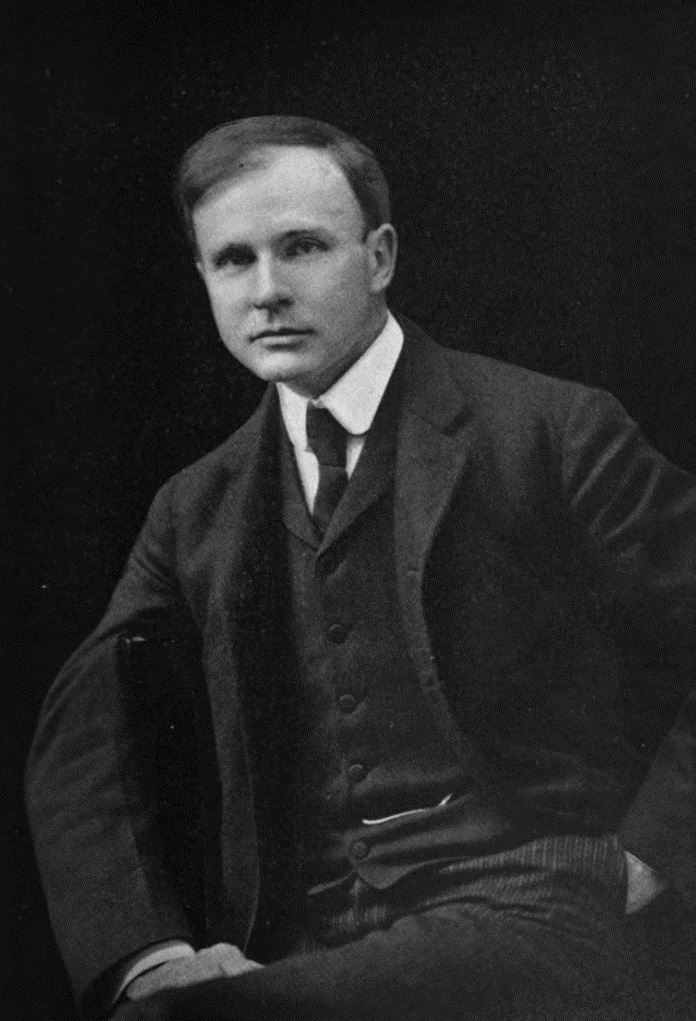
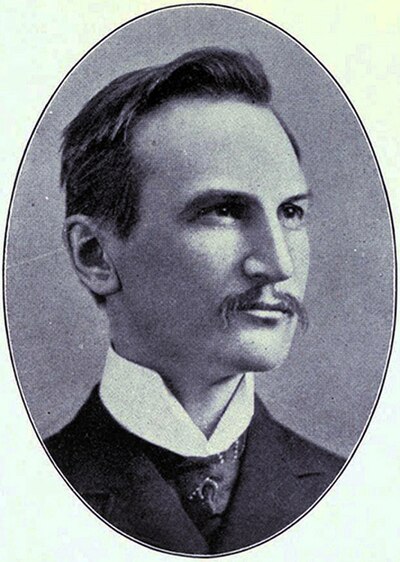
Herbert M. Wilson
Herbert M. Wilson was an influential figure in the field of civil engineering during the late 19th and early 20th centuries. His work primarily focused on the safety and structural integrity of engineering projects, particularly in relation to mining accidents and the materials used in construction. Wilson's contributions to the American Society of Civil Engineers, particularly through his paper "Federal Investigations of Mine Accidents, Structural Materials and Fuels," showcased his commitment to improving safety standards and practices within the industry. This paper, published in the Transactions of the American Society of Civil Engineers in December 1910, highlighted the importance of federal oversight in the investigation of mine accidents, advocating for better regulations and practices to prevent future tragedies. Wilson's legacy lies in his pioneering efforts to address the critical issues of safety and material quality in civil engineering. His work not only contributed to the advancement of engineering practices but also emphasized the need for accountability and regulation in industries that posed significant risks to workers and the public. Through his research and advocacy, Wilson played a vital role in shaping the standards that govern civil engineering today, making his contributions significant in the evolution of the profession.