Herbert Eugene Walter
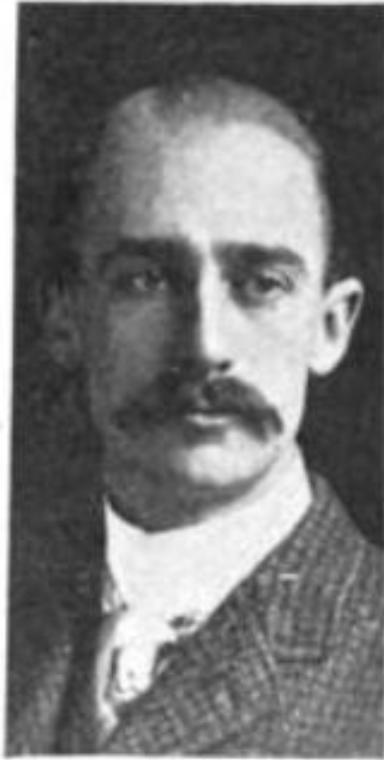
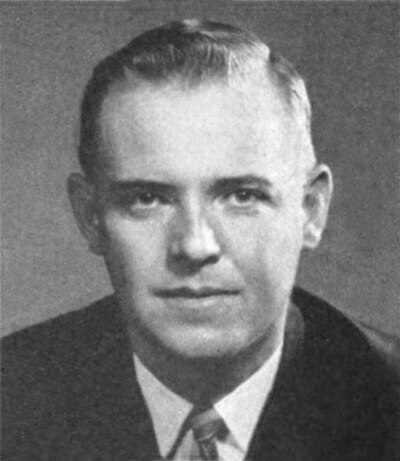
Herbert Eugene Walter was a distinguished biologist and educator whose contributions to the field of biology significantly advanced the understanding of heredity and vertebrate anatomy. Born in Burke, Vermont, he pursued his education at Bates College and later earned a master's degree from Brown University, followed by studies at the University of Freiburg. After obtaining his Ph.D. from Harvard University in 1906, Walter joined the faculty at Brown University, where he ascended from assistant professor to full professor by 1923. His academic career was marked by a commitment to both teaching and research, particularly in the areas of zoology and genetics. Walter authored several influential texts, including "Studies in Animal Life" (1901), "Genetics: An Introduction to the Study of Heredity" (1913), and "The Human Skeleton" (1913), which collectively contributed to the foundational knowledge in biology during his time. He also collaborated with his wife, Alice Hall Lyndon, on "Wild Birds in City Parks," showcasing his interest in urban ecology. Beyond his teaching, he served as the director of research for the Federal Bureau of Fisheries and played a pivotal role in educating future biology teachers through field courses. His legacy continues at Brown University, where Walter Hall is named in his honor, reflecting his lasting impact on the study of ecology and evolutionary biology.
Books from the author



Link to this page
Add a free, dofollow link to Lex on your blog, forum, syllabus, or reading list.

<a href="https://lex-books.com/author/herbert-eugene-walter"><img src="https://lex-books.com/badges/read-on-lex.svg" alt="Herbert Eugene Walter on Lex" width="160" height="40"></a>[](https://lex-books.com/author/herbert-eugene-walter)[url=https://lex-books.com/author/herbert-eugene-walter][img]https://lex-books.com/badges/read-on-lex.svg[/img][/url]Herbert Eugene Walter on Lex: https://lex-books.com/author/herbert-eugene-walter