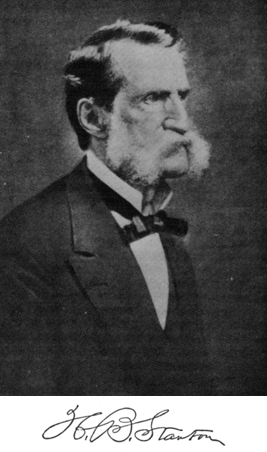
Henry Stanton
Henry Brewster Stanton was an influential American abolitionist, social reformer, attorney, journalist, and politician. Born in 1805, he became a prominent voice against slavery, contributing articles to notable publications such as the New York Tribune, the New York Sun, and William Lloyd Garrison's Anti-Slavery Standard and The Liberator. His writings not only advocated for the abolition of slavery but also highlighted various social issues of his time, reflecting his deep commitment to justice and equality. Stanton's political career included serving in the New York State Senate during the early 1850s, where he continued to champion progressive causes. He was married to Elizabeth Cady Stanton, a key figure in the early women's rights movement, and together they were instrumental in advancing social reform. Henry Stanton's legacy lies in his unwavering dedication to civil rights and his role in shaping the discourse around abolition and women's suffrage in America.
Famous Quotes
View all 1 quotes“I heard Mr. many years ago in Chicago. The hall seated 5,000 people; every inch of standing-room was also occupied; aisles and platform crowded to overflowing. He held that vast audience for three hours so completely entranced that when he left the platform no one moved, until suddenly, with loud cheers and applause, they recalled him. He returned smiling and said: 'I'm glad you called me back, as I have something more to say. Can you stand another half-hour?' 'Yes: an hour, two hours, all night,' was shouted from various parts of the house; and he talked on until midnight, with unabated vigor, to the delight of his audience. This was the greatest triumph of oratory I had ever witnessed. It was the first time he delivered his matchless speech, 'The Liberty of Man, Woman, and Child'.I have heard the greatest orators of this century in England and America; O'Connell in his palmiest days, on the Home Rule question; Gladstone and John Bright in the House of Commons; Spurgeon, James and Stopford Brooke, in their respective pulpits; our own Wendell Phillips, Henry Ward Beecher, and Webster and Clay, on great occasions; the stirring eloquence of our anti-slavery orators, both in Congress and on the platform, but none of them ever equalled in his highest flights.{}””
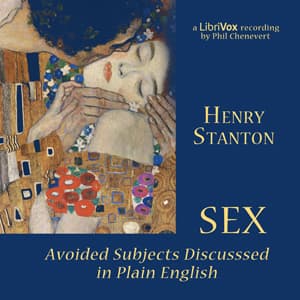
Books from the author





Link to this page
Add a free, dofollow link to Lex on your blog, forum, syllabus, or reading list.

<a href="https://lex-books.com/author/henry-stanton"><img src="https://lex-books.com/badges/read-on-lex.svg" alt="Henry Stanton on Lex" width="160" height="40"></a>[](https://lex-books.com/author/henry-stanton)[url=https://lex-books.com/author/henry-stanton][img]https://lex-books.com/badges/read-on-lex.svg[/img][/url]Henry Stanton on Lex: https://lex-books.com/author/henry-stanton