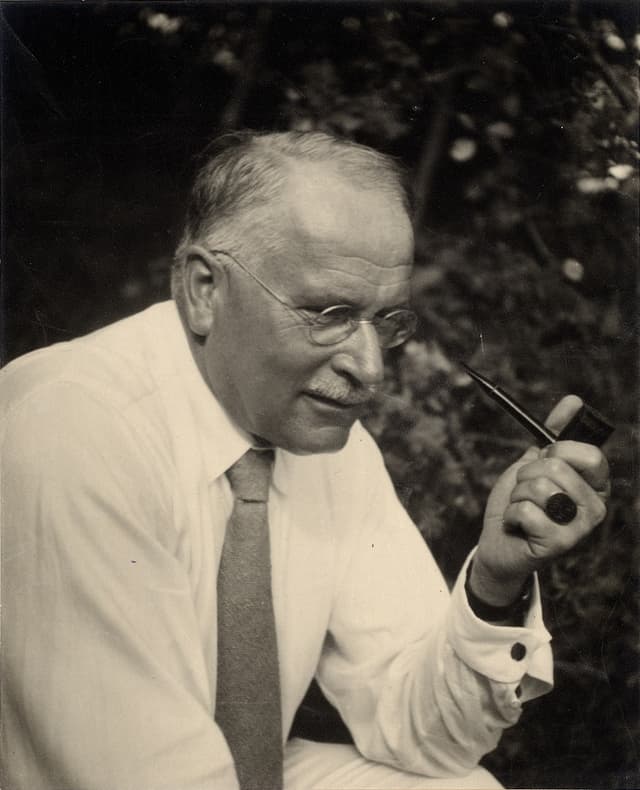
C. G. Jung
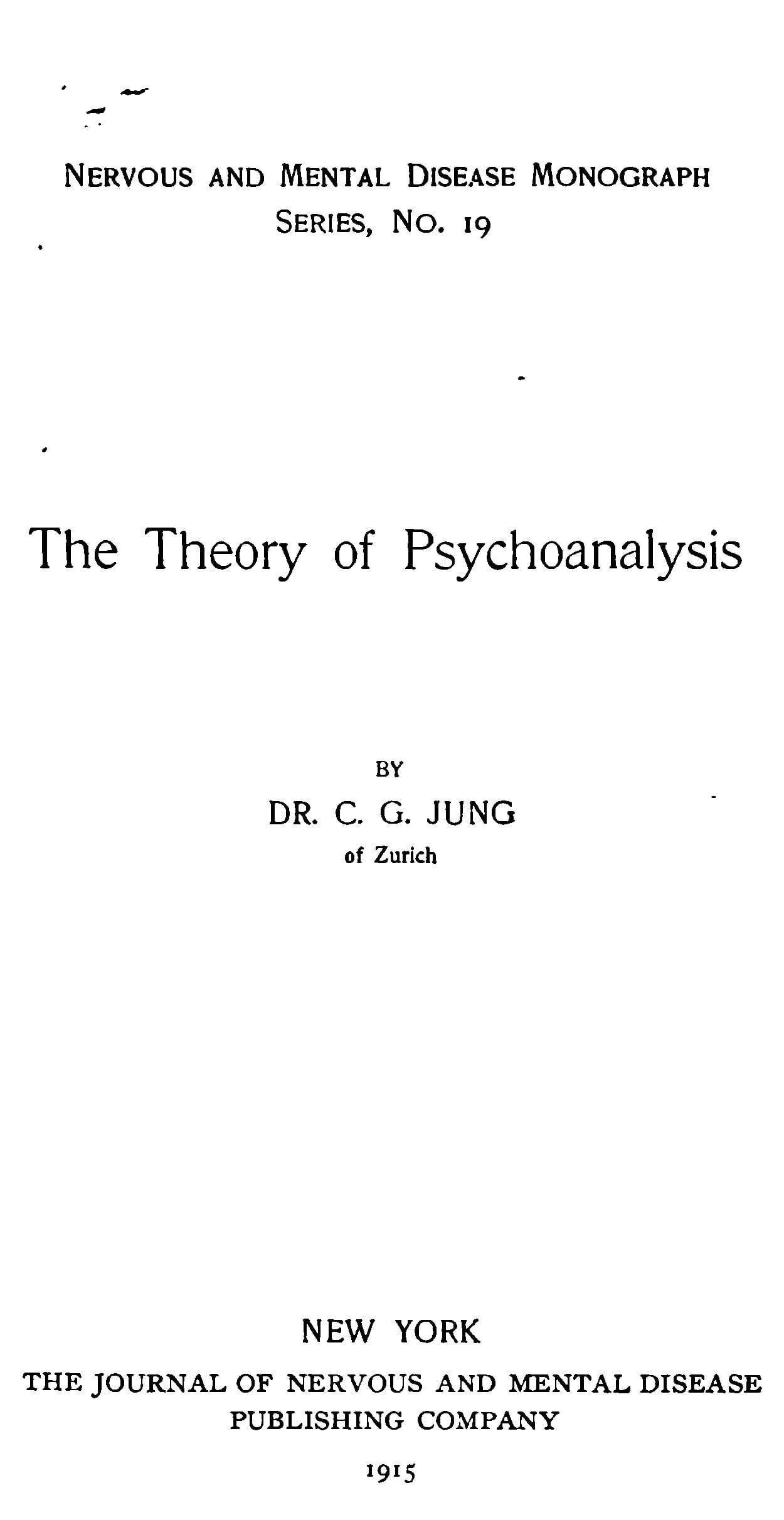
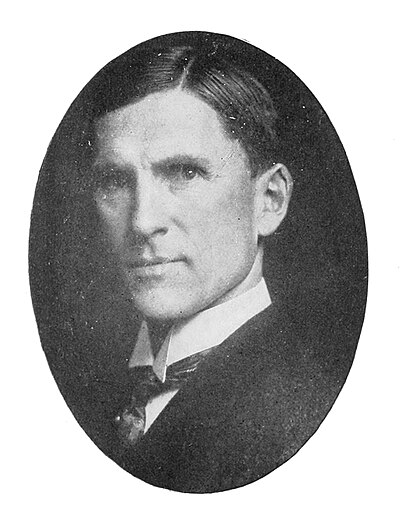
Carl Gustav Jung was a Swiss psychiatrist and psychoanalyst who founded analytical psychology. He introduced several groundbreaking concepts, including the collective unconscious, archetypes, and individuation, which have had a profound influence on psychology, literature, and the arts. Jung's work diverged from that of his mentor, Sigmund Freud, particularly in his emphasis on spirituality and the human psyche's depth beyond mere sexual drives. His exploration of symbols and myths across cultures led to a rich understanding of the human experience, making his theories applicable not only in therapy but also in understanding cultural phenomena. Among his notable works are 'Psychological Types,' where he outlined his theories on personality, and 'Man and His Symbols,' which aimed to make his ideas accessible to the general public. Jung's emphasis on the importance of dreams and the unconscious mind has inspired countless writers, artists, and thinkers, positioning him as a pivotal figure in the development of modern psychology. His legacy endures through the continued relevance of his ideas in various fields, including psychology, philosophy, and spirituality, as well as in the ongoing exploration of the human condition.
Famous Quotes
View all 20 quotes“Until you make the unconscious conscious, it will direct your life and you will call it fate.””
“Your visions will become clear only when you can look into your own heart. Who looks outside, dreams; who looks inside, awakes.””
“The most terrifying thing is to accept oneself completely.””
Books from the author
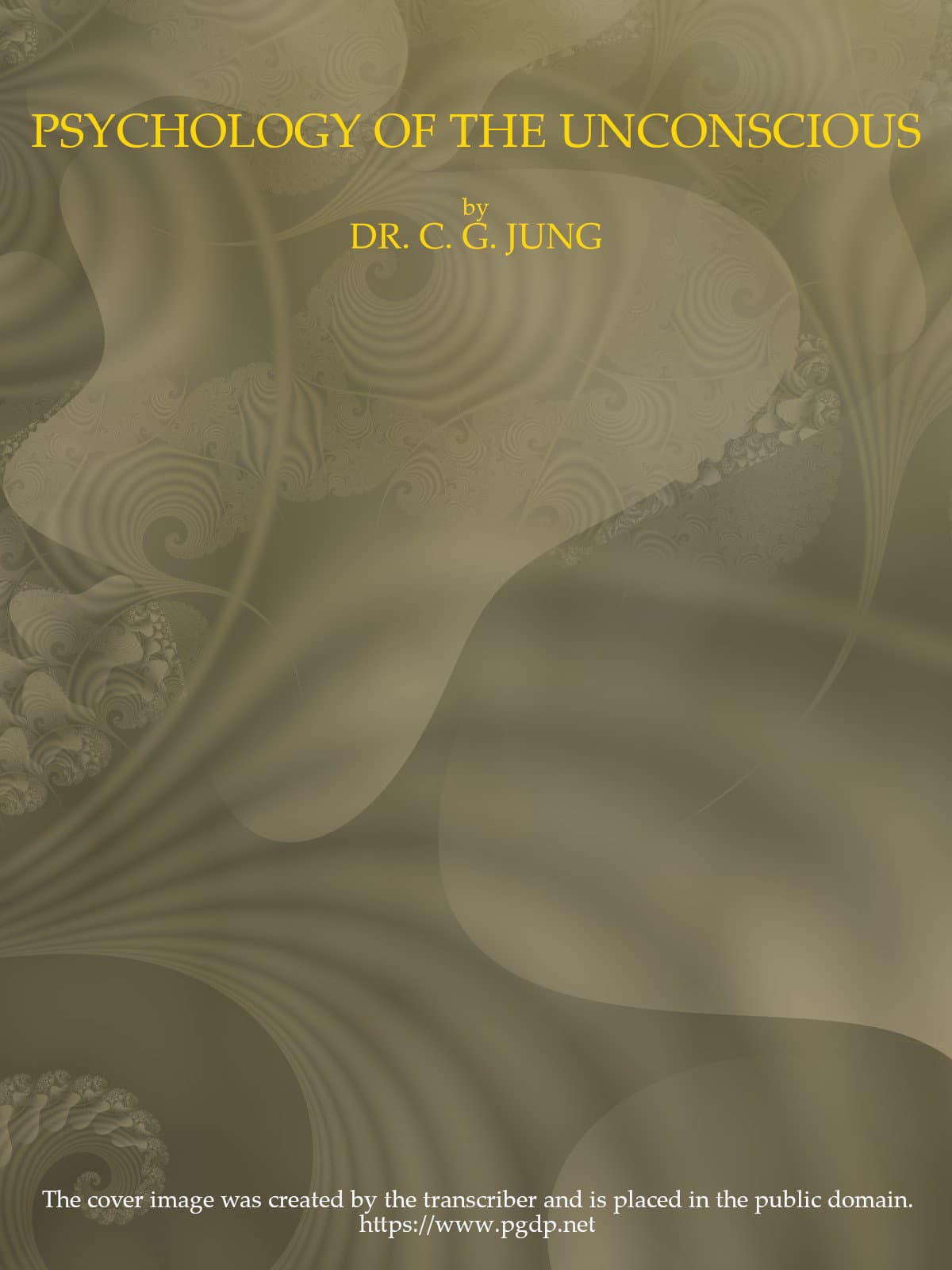
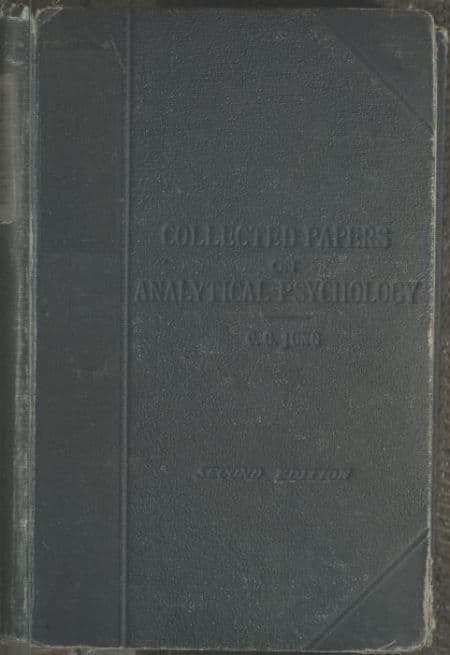
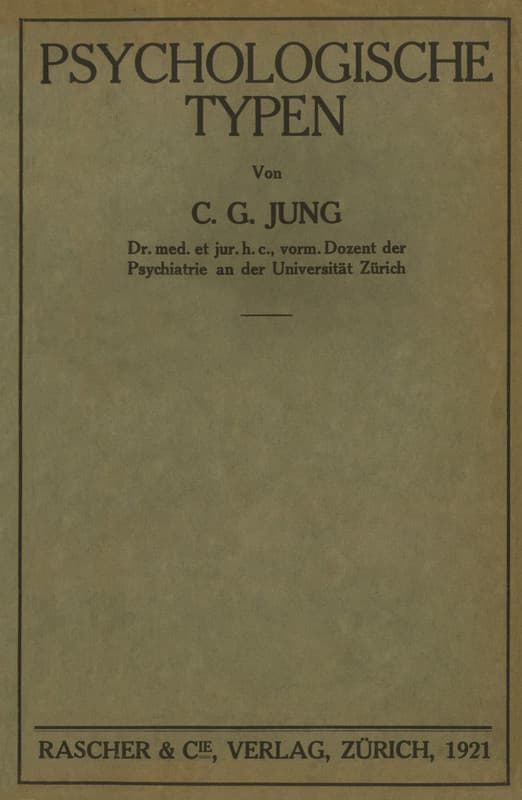


Link to this page
Add a free, dofollow link to Lex on your blog, forum, syllabus, or reading list.

<a href="https://lex-books.com/author/c-g-jung-2"><img src="https://lex-books.com/badges/read-on-lex.svg" alt="C. G. Jung on Lex" width="160" height="40"></a>[](https://lex-books.com/author/c-g-jung-2)[url=https://lex-books.com/author/c-g-jung-2][img]https://lex-books.com/badges/read-on-lex.svg[/img][/url]C. G. Jung on Lex: https://lex-books.com/author/c-g-jung-2