The Rising of the Court
In the cramped, gaslit gloom of a late Victorian courtroom, Henry Lawson watches the poor drift through the machinery of justice like leaves in a gutter. This is Australia not of the romantic bush ballads, but of gin-sodden mornings, desperate women, and men whose only crime is being born into the wrong class. Through One-Eyed Kate's fierce silence and Mrs. Johnson's weary shuffling, Lawson maps a world where the law serves the comfortable and the courtroom becomes theater for the desperate. The narrator moves among these broken souls with a mixture of cynicism and stubborn hope, recognizing in them a dignity that the system works constantly to erase. These are sketch stories in the truest sense: quick, sharp, unflinching portraits that capture their subjects before they disappear entirely. Lawson wrote as someone who had stood in that courtroom, who had felt the cold indifference of institutional power. The result is not polemic but something more powerful: witness.
Editions
Link to this book
Add a free, dofollow link to Lex on your blog, forum, syllabus, or reading list.

<a href="https://lex-books.com/book/the-rising-of-the-court-55879fa7-a2fa-4c5e-b5cb-397f4860a4f9"><img src="https://lex-books.com/badges/read-on-lex.svg" alt="Read The Rising of the Court by Henry Lawson free on Lex" width="160" height="40"></a>[](https://lex-books.com/book/the-rising-of-the-court-55879fa7-a2fa-4c5e-b5cb-397f4860a4f9)[url=https://lex-books.com/book/the-rising-of-the-court-55879fa7-a2fa-4c5e-b5cb-397f4860a4f9][img]https://lex-books.com/badges/read-on-lex.svg[/img][/url]Read The Rising of the Court by Henry Lawson free on Lex: https://lex-books.com/book/the-rising-of-the-court-55879fa7-a2fa-4c5e-b5cb-397f4860a4f9Cite this book
Reading this edition for a paper or guide? Copy a citation.
Lawson, Henry. The Rising of the Court. Lex, lex-books.com/book/the-rising-of-the-court-55879fa7-a2fa-4c5e-b5cb-397f4860a4f9.Lawson, H. (n.d.). The Rising of the Court. Lex. https://lex-books.com/book/the-rising-of-the-court-55879fa7-a2fa-4c5e-b5cb-397f4860a4f9Lawson, Henry. The Rising of the Court. Lex. https://lex-books.com/book/the-rising-of-the-court-55879fa7-a2fa-4c5e-b5cb-397f4860a4f9.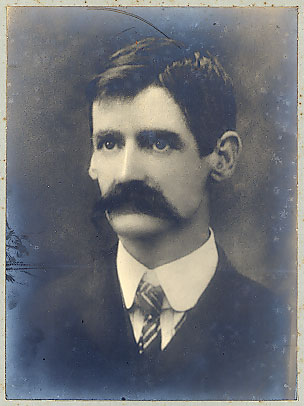



![Night Watches [complete]](/_next/image?url=https%3A%2F%2Fd3b2n8gj62qnwr.cloudfront.net%2FCOVERS%2Fgutenberg_covers75k%2Febook-12161.png&w=3840&q=75)