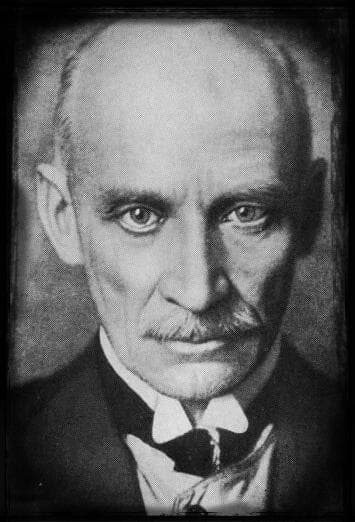
Gustav Meyrink
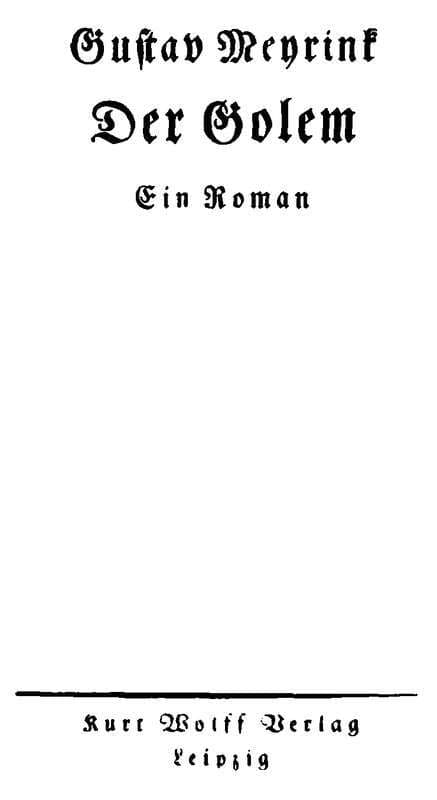
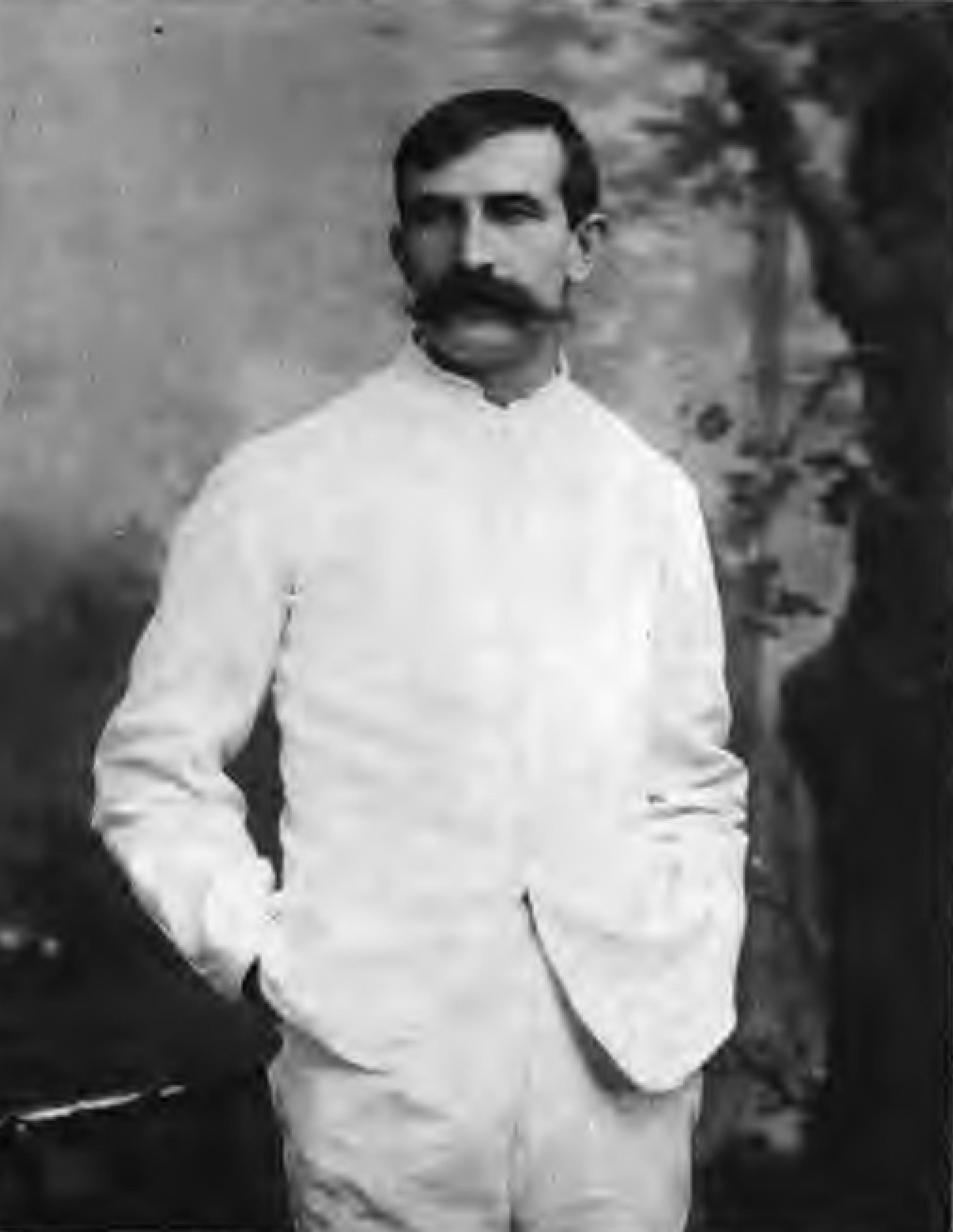
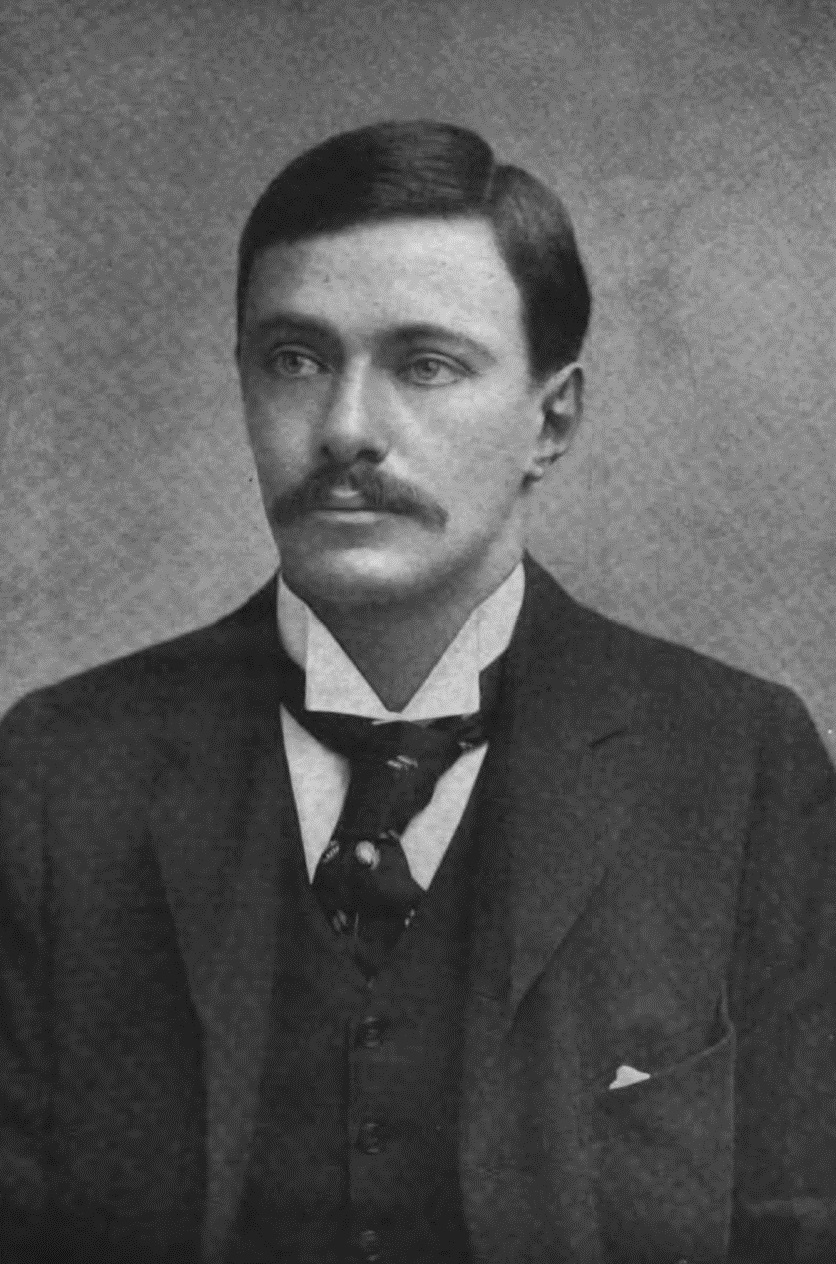
Gustav Meyrink was an Austrian author and dramatist, best known for his influential novel, The Golem, which explores themes of mysticism and the supernatural. Born Gustav Meyer, he adopted the pseudonym Gustav Meyrink and became a prominent figure in early 20th-century literature, particularly within the realm of supernatural fiction. His works often reflected his fascination with the esoteric and the occult, drawing from his experiences in banking and his interest in Jewish mysticism, which deeply informed his writing style and thematic choices. Meyrink's literary significance lies in his ability to weave complex narratives that blend reality with the supernatural, creating a unique atmosphere that captivated readers. The Golem, published in 1915, is a seminal work that not only established him as a leading voice in German literature but also influenced later writers in the genre. His exploration of identity, the nature of existence, and the interplay between the mystical and the mundane has left a lasting legacy, making him a respected figure in supernatural fiction. Meyrink's contributions continue to resonate with those interested in the intersections of literature, mysticism, and the human experience.
Famous Quotes
View all 3 quotes“It is the narrow, hidden tracks that lead back to our lost homeland, what contains the solution to the last mysteries is not the ugly scar that life's rasp leaves on us, but the fine, almost invisible writing that is engraved on our body.”
“The soul is not a single unity; that is what it is destined to become, and that is what we call 'immortality'. Your soul is still composed of many 'selves', just as a colony of ants is composed of many single ants. You bear within you the spiritual remains of many thousand ancestors, the heads of your line. It is the same with all creatures. How could a chicken that is artificially hatched in an incubator immediately look for the right food, if the experience of millions of years were not stored inside it? The existence of 'instinct' indicates the presence of our ancestors in our bodies and in our souls.”
“Nothing essential happens through death, only through birth and that is the whole trouble - But shouldn't we be speaking of something more important than life and death?”
Books from the author



Link to this page
Add a free, dofollow link to Lex on your blog, forum, syllabus, or reading list.

<a href="https://lex-books.com/author/gustav-meyrink"><img src="https://lex-books.com/badges/read-on-lex.svg" alt="Gustav Meyrink on Lex" width="160" height="40"></a>[](https://lex-books.com/author/gustav-meyrink)[url=https://lex-books.com/author/gustav-meyrink][img]https://lex-books.com/badges/read-on-lex.svg[/img][/url]Gustav Meyrink on Lex: https://lex-books.com/author/gustav-meyrink