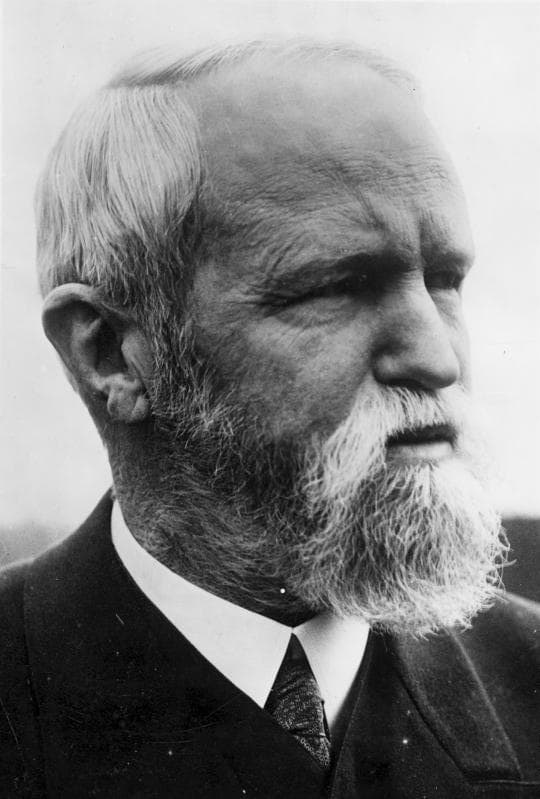
Gustav Frenssen
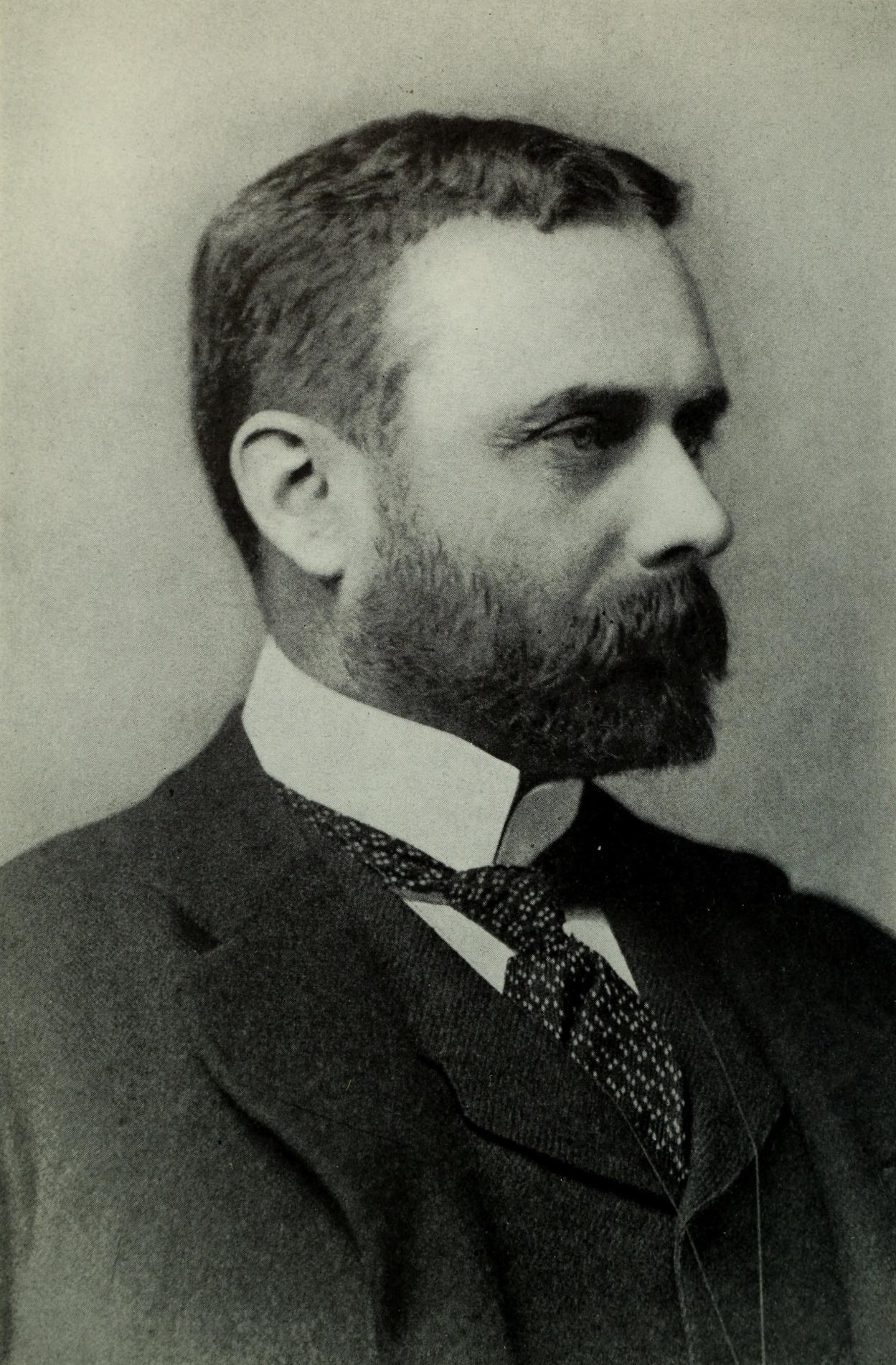
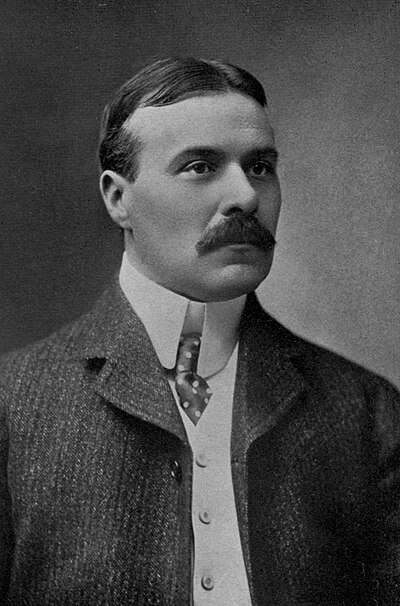
Gustav Frenssen was a notable German novelist recognized for his patriotic themes and commitment to Heimatkunst, a literary movement emphasizing regionalism and local culture. Born in 1863, Frenssen's works often reflected his deep connection to his homeland, portraying the landscapes, traditions, and people of northern Germany. His most significant contributions include novels such as "Jörn Uhl" and "Der Landarzt," which not only captured the essence of rural life but also explored broader social and cultural issues of his time. Frenssen's writing played a crucial role in the Heimatkunst movement, which sought to celebrate and preserve the unique characteristics of local life against the backdrop of a rapidly modernizing world. His narratives often blended realism with a romanticized view of the countryside, resonating with readers who valued a sense of place and identity. Despite the controversies surrounding his later political affiliations, Frenssen's literary legacy remains significant, as he helped shape the discourse around regional identity in German literature, influencing subsequent generations of writers who sought to explore similar themes.
Books from the author




Link to this page
Add a free, dofollow link to Lex on your blog, forum, syllabus, or reading list.

<a href="https://lex-books.com/author/gustav-frenssen"><img src="https://lex-books.com/badges/read-on-lex.svg" alt="Gustav Frenssen on Lex" width="160" height="40"></a>[](https://lex-books.com/author/gustav-frenssen)[url=https://lex-books.com/author/gustav-frenssen][img]https://lex-books.com/badges/read-on-lex.svg[/img][/url]Gustav Frenssen on Lex: https://lex-books.com/author/gustav-frenssen