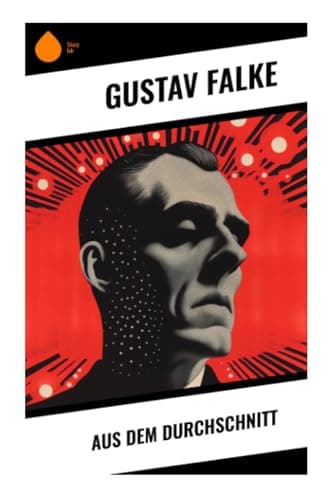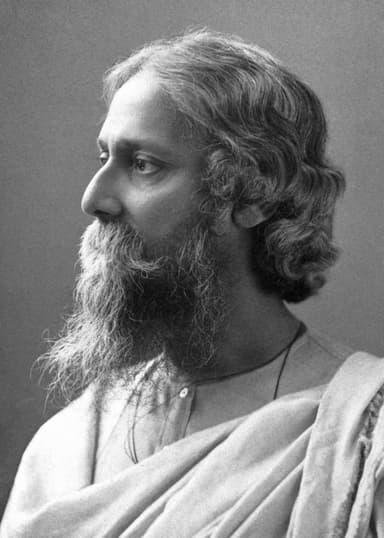
Gustav Falke
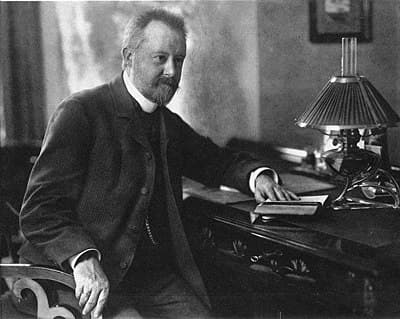
Gustav Falke was a notable German writer known for his contributions to literature during the late 19th and early 20th centuries. Born in 1853, he became recognized for his poetic works and his ability to weave intricate narratives that often reflected the social and cultural dynamics of his time. Falke's literary career was marked by a deep engagement with themes of nature, love, and the human condition, which resonated with the Romantic ideals prevalent in his era. Among his notable works, Falke's poetry collections and prose writings stand out for their lyrical quality and emotional depth. His ability to capture the essence of human experiences through vivid imagery and thoughtful reflection earned him a place in the pantheon of German literature. Although not as widely known today, his works contributed to the rich tapestry of literary movements in Germany, influencing contemporaries and later writers alike. Falke's legacy is one of a passionate artist who sought to explore the complexities of life through the written word, leaving behind a body of work that continues to be appreciated for its artistic merit and insight into the human spirit.
Books from the author