Guido da Verona
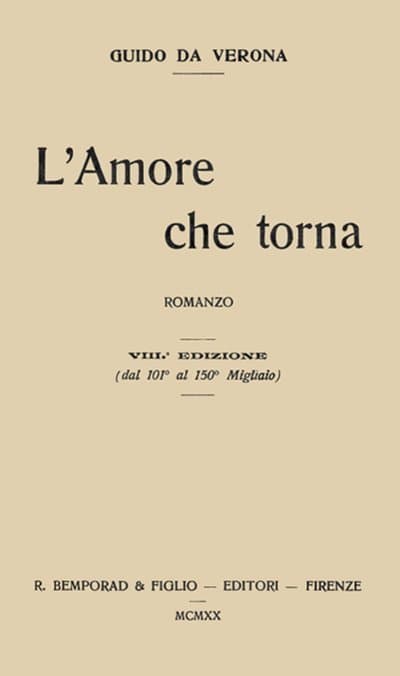
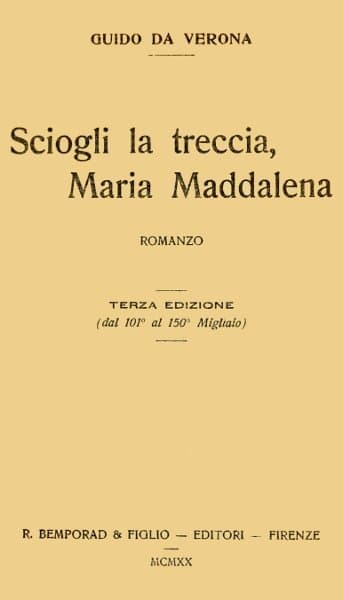
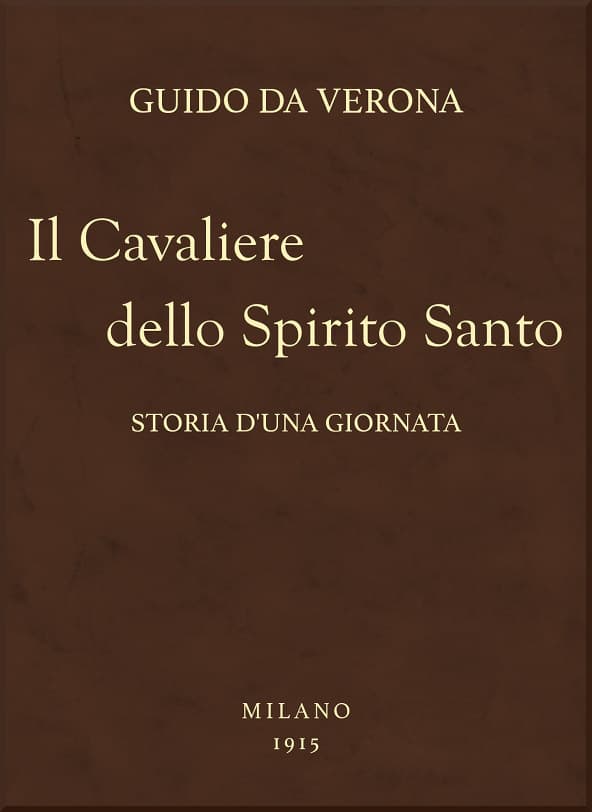
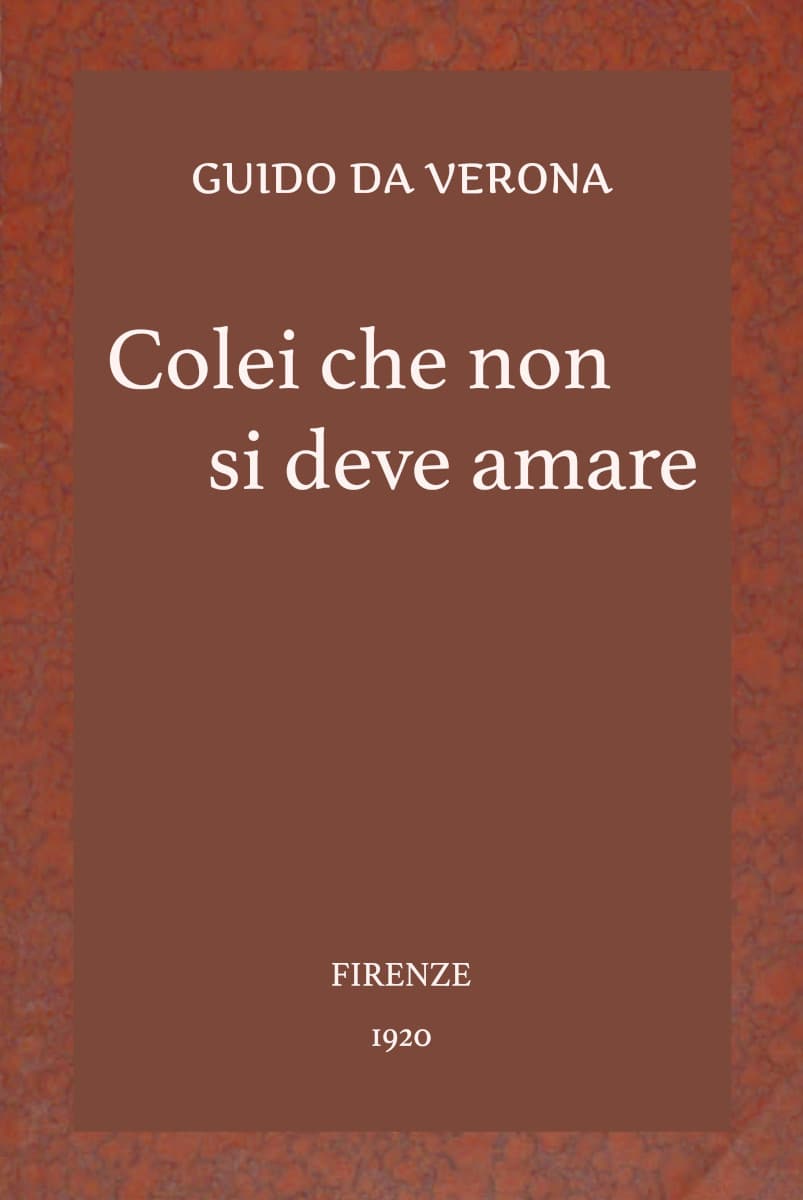
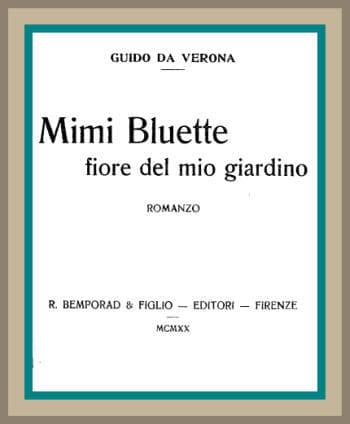
Guido da Verona, born into a Jewish family in Saliceto Panaro, was an influential Italian poet and novelist whose literary career spanned the early 20th century. He began as a poet in 1901, with works such as 'Commemorazione del fatto d'arme di Brichetto' and 'Bianco amore,' showcasing his early talent in verse. However, it was his transition to novel writing that marked his prominence in Italian literature. His first novel, 'Colei che non si deve amare,' published in 1911, exemplified the Italian Feuilleton genre and set the stage for his subsequent success as a novelist. Da Verona became the most commercially successful Italian writer from 1914 to 1939, with his novel 'Mimì Bluette, fiore del mio giardino' achieving remarkable sales of 300,000 copies by 1922. This was particularly notable given the high illiteracy rates in Italy at the time. His works often explored themes of love and social issues, resonating with a wide audience. Guido da Verona's legacy lies in his ability to blend poetic sensibility with narrative storytelling, making significant contributions to both poetry and prose in Italian literature.
Books from the author






Link to this page
Add a free, dofollow link to Lex on your blog, forum, syllabus, or reading list.

<a href="https://lex-books.com/author/guido-da-verona"><img src="https://lex-books.com/badges/read-on-lex.svg" alt="Guido da Verona on Lex" width="160" height="40"></a>[](https://lex-books.com/author/guido-da-verona)[url=https://lex-books.com/author/guido-da-verona][img]https://lex-books.com/badges/read-on-lex.svg[/img][/url]Guido da Verona on Lex: https://lex-books.com/author/guido-da-verona