Lex

Browse

All GenresBookshelvesPremium CatalogueFree BooksFree Audiobooks

Company

About usJobsShare with friendsAffiliates

Legal

Terms of ServicePrivacy Policy

Contact

Supportgeneral@lex-books.com(215) 703-8277

© 2026 LexBooks, Inc. All rights reserved.

Greg Fee

Famous Quotes

View all 2 quotes

“Generics were not created to be a differential advantage against other retailers but to help the retailer control the manufacturer, and they became an important negotiating tool against national brands. By taking up shelfspace with generics, the retailer increased the competition for the remaining space between the national brands, which helped ratchet up listing fees. The””

Store Wars: The Worldwide Battle for Mindspace and Shelfspace, Online and In-store

“Owing to the ever-increasing pressure on space, as retailers continue to extend private label ranges, there is a risk of branded products being moved to less-optimal locations, having fewer promotional slots and facings or being delisted. Manufacturers cannot wait for this to happen before reacting; they must be proactive in making the case for their brands. While the absolute cash and margins on private labels may be higher for the retailer, the manufacturer has to shift the focus to total system profitability. Many factors favour manufacturer brands when total profitability is considered, including: Sales velocity: Shelfspace turnover is often higher for manufacturer brands. The velocity of leading manufacturer brands is often 10% higher. Profit per linear inch of shelfspace. Discounts and off-invoice allowances: Includes slotting allowances, listing fees, promotional deals, advertising and merchandising allowances, and credit for return of unsold merchandise. Promotional and advertising fees. Provision of ‘free’ logistics services: Includes transportation, warehouse and store labour, and merchandising help for the retailer. Manufacturer brands usually retail at higher-than-average prices: Even when the net margin on manufacturer brands is lower, the absolute cash profit per unit may be higher.””

Store Wars: The Worldwide Battle for Mindspace and Shelfspace, Online and In-store

“Generics were not created to be a differential advantage against other retailers but to help the retailer control the manufacturer, and they became an important negotiating tool against national brands. By taking up shelfspace with generics, the retailer increased the competition for the remaining space between the national brands, which helped ratchet up listing fees. The””

Store Wars: The Worldwide Battle for Mindspace and Shelfspace, Online and In-store

“Owing to the ever-increasing pressure on space, as retailers continue to extend private label ranges, there is a risk of branded products being moved to less-optimal locations, having fewer promotional slots and facings or being delisted. Manufacturers cannot wait for this to happen before reacting; they must be proactive in making the case for their brands. While the absolute cash and margins on private labels may be higher for the retailer, the manufacturer has to shift the focus to total system profitability. Many factors favour manufacturer brands when total profitability is considered, including: Sales velocity: Shelfspace turnover is often higher for manufacturer brands. The velocity of leading manufacturer brands is often 10% higher. Profit per linear inch of shelfspace. Discounts and off-invoice allowances: Includes slotting allowances, listing fees, promotional deals, advertising and merchandising allowances, and credit for return of unsold merchandise. Promotional and advertising fees. Provision of ‘free’ logistics services: Includes transportation, warehouse and store labour, and merchandising help for the retailer. Manufacturer brands usually retail at higher-than-average prices: Even when the net margin on manufacturer brands is lower, the absolute cash profit per unit may be higher.””

Store Wars: The Worldwide Battle for Mindspace and Shelfspace, Online and In-store

Books from the author

right arrow
Catalan's Constant [ramanujan's Formula]

More authors like this

right arrow
approximately 5th century Sunzi
Unknown
David Slowinski
Unknown
Euclid
Unknown
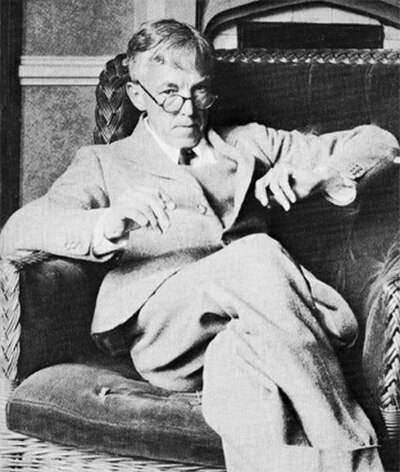
G. H. Hardy
G. H. Hardy
Unknown
George Nichols Packer
Unknown
Henry B. Fine
Unknown
Hui, active 3rd century-4th century Liu
Unknown
Jacomy-Régnier
Unknown
Jerry T. Bonnell
Unknown
Lyon Des Roys
Unknown
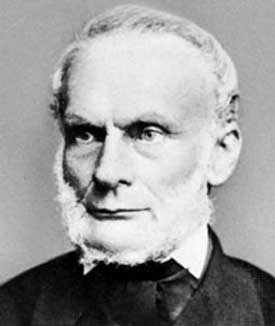
R. Clausius
R. Clausius
Unknown
Robert T. Browne
Unknown
Romeyn Henry Rivenburg
Unknown
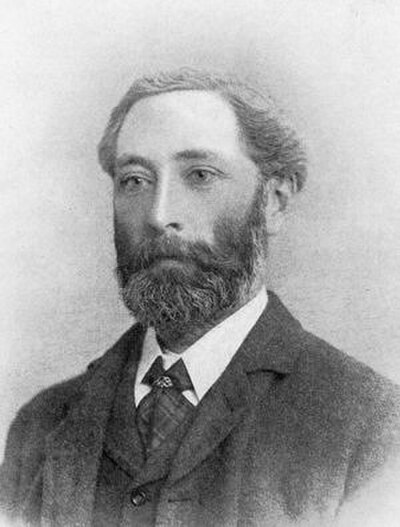
W. Stanley
Unknown
W. W. Rouse Ball
W. W. Rouse Ball
Unknown
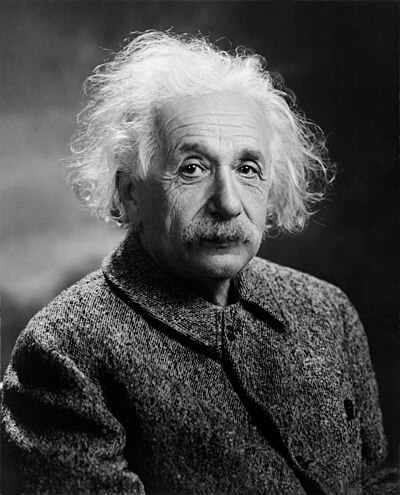
Albert Einstein
Albert Einstein
1879-1955