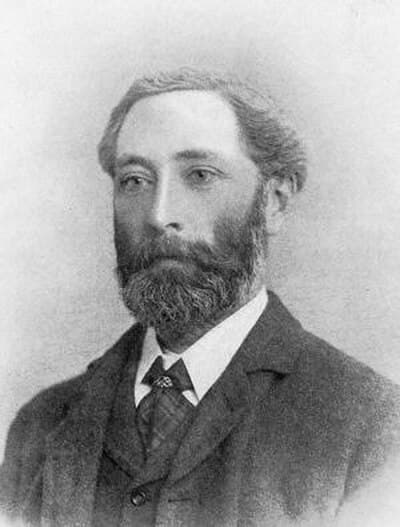
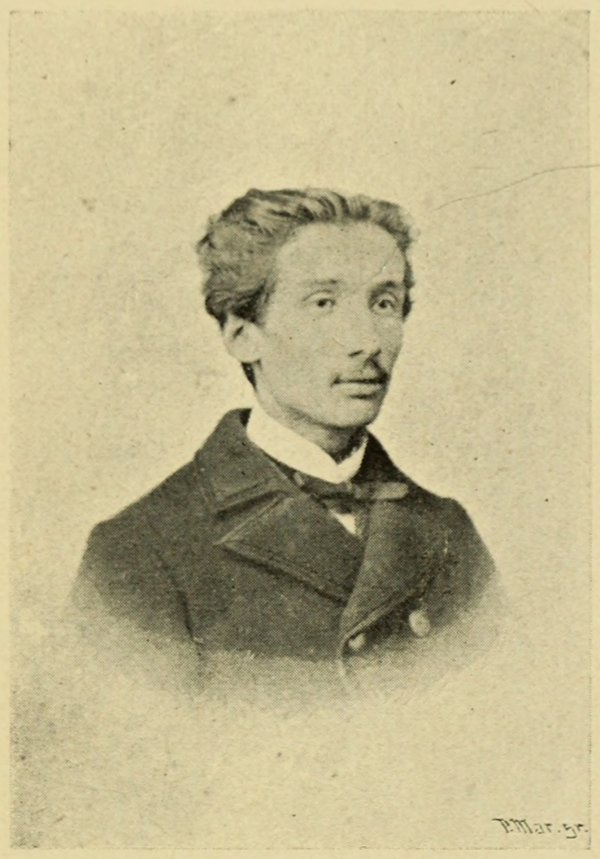
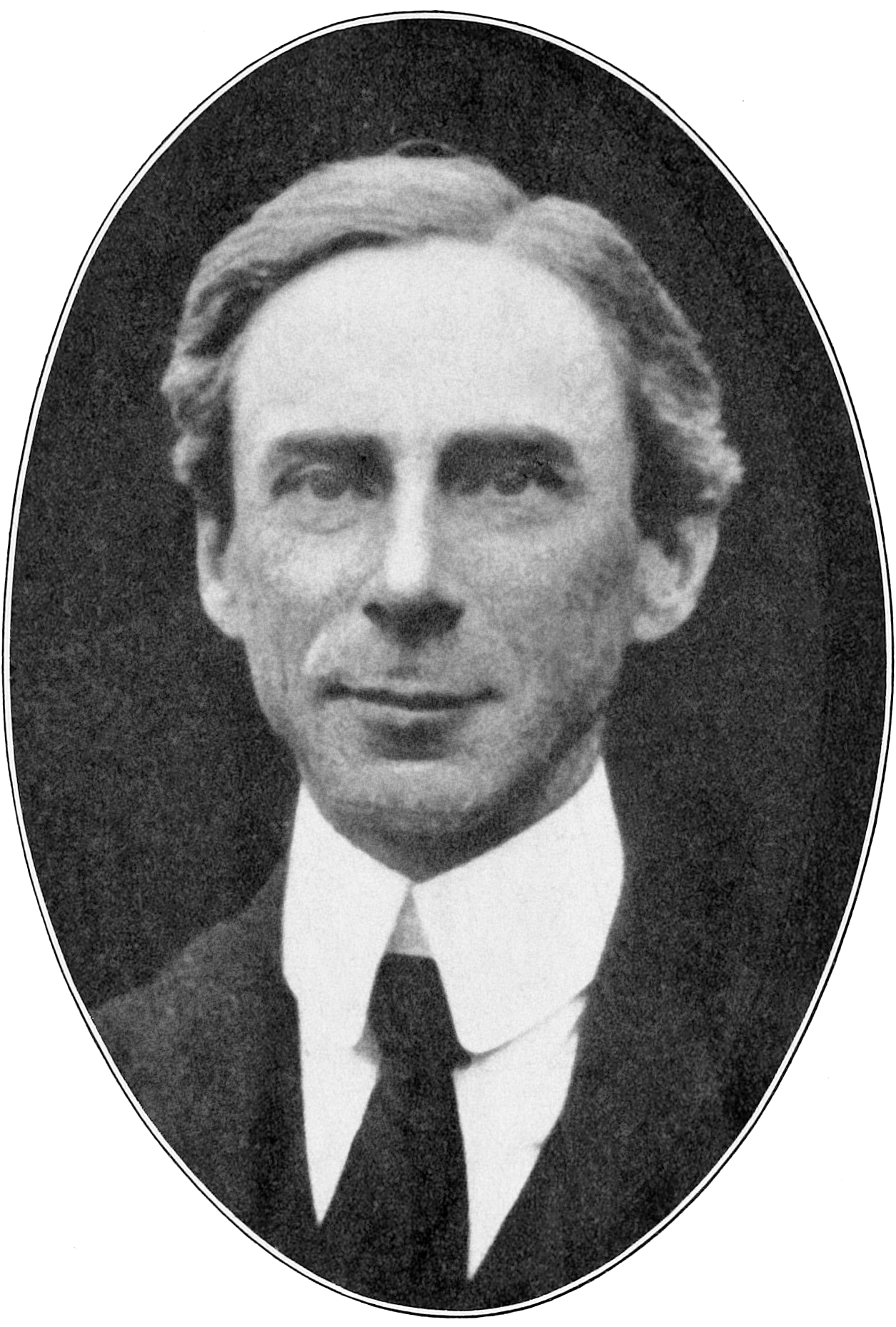
W. W. Rouse Ball
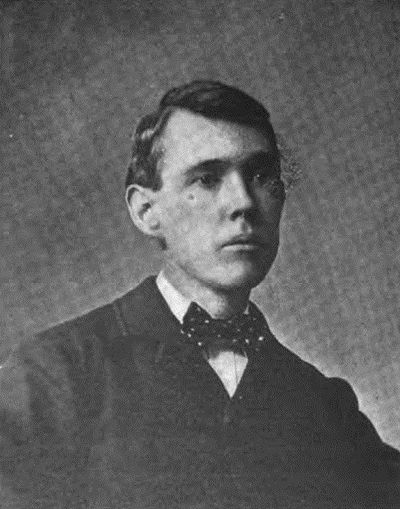
W. W. Rouse Ball was a British mathematician and lawyer, best known for his contributions to the field of mathematics and his passion for magic. He served as a fellow at Trinity College, Cambridge, from 1878 to 1905, where he engaged in both academic pursuits and the exploration of recreational mathematics. Ball's notable works include 'Mathematical Recreations and Essays,' which showcased his ability to present complex mathematical concepts in an accessible manner, appealing to both scholars and enthusiasts alike. His writings contributed significantly to the popularization of mathematics during his time, making it more approachable for a wider audience. In addition to his mathematical endeavors, Rouse Ball was an avid amateur magician and played a pivotal role in the magic community by founding the Cambridge Pentacle Club in 1919, one of the oldest magic societies in the world. His dual interests in mathematics and magic reflect a unique blend of analytical thinking and creativity, which he embodied throughout his life. Rouse Ball's legacy endures not only through his mathematical works but also through his influence on the culture of magic, bridging the gap between the two fields and inspiring future generations of mathematicians and magicians alike.
Famous Quotes
View all 10 quotes“was explaining to an actuary what was the chance that a certain proportion of some group of people would at the end of a given time be alive; and quoted the actuarial formula, involving p [pi], which, in answer to a question, he explained stood for the ratio of the circumference of a circle to its diameter. His acquaintance, who had so far listened to the explanation with interest, interrupted him and exclaimed, '?””
“… gave the name to the [] Analytical Society, which he stated was formed to advocate '.””
“For other great mathematicians or philosophers, used the epithets magnus, or clarus, or clarissimus; for alone he kept the prefix summus.””
Books from the author

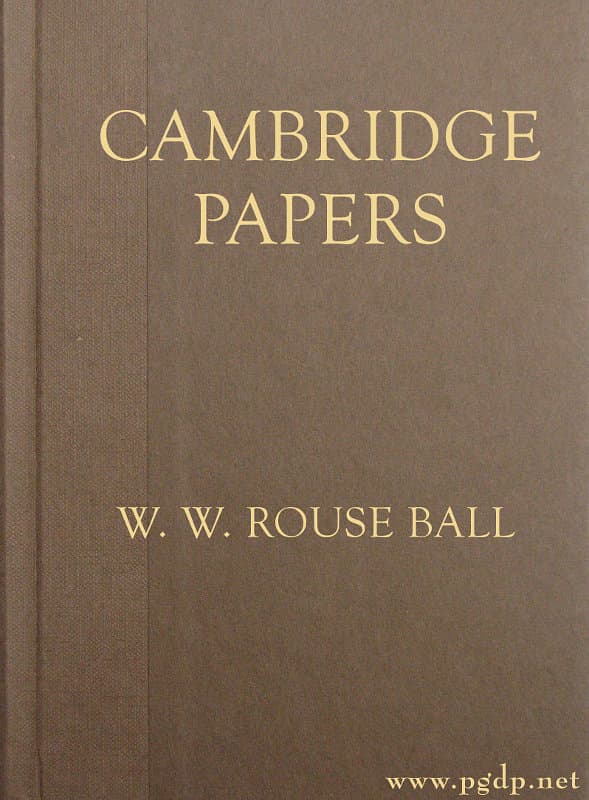



Link to this page
Add a free, dofollow link to Lex on your blog, forum, syllabus, or reading list.

<a href="https://lex-books.com/author/w-w-rouse-ball-2"><img src="https://lex-books.com/badges/read-on-lex.svg" alt="W. W. Rouse Ball on Lex" width="160" height="40"></a>[](https://lex-books.com/author/w-w-rouse-ball-2)[url=https://lex-books.com/author/w-w-rouse-ball-2][img]https://lex-books.com/badges/read-on-lex.svg[/img][/url]W. W. Rouse Ball on Lex: https://lex-books.com/author/w-w-rouse-ball-2