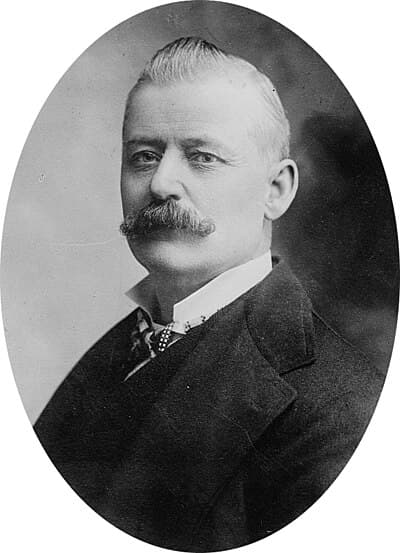
George Washington Plunkitt
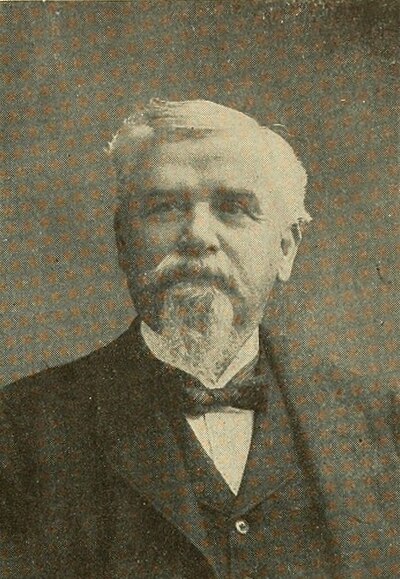
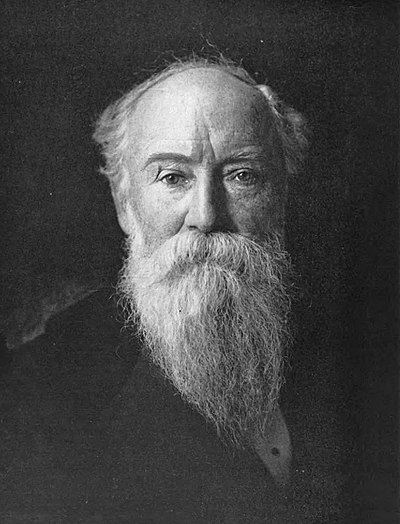
George Washington Plunkitt was an influential American politician known for his role in New York's Tammany Hall, a powerful political organization during the late 19th and early 20th centuries. He served in both houses of the New York State Legislature and became a prominent figure in the realm of machine politics. Plunkitt was a staunch critic of the Civil Service reform movement, advocating instead for the political patronage system that characterized Tammany Hall's operations. His insights into the workings of political machines were captured in his book, "Plunkitt of Tammany Hall," which consists of a series of informal talks that reveal his pragmatic approach to politics and governance. In "Plunkitt of Tammany Hall," Plunkitt articulated the principles of machine politics with a blend of humor and candor, making the complexities of political maneuvering accessible to the general public. His observations not only shed light on the inner workings of Tammany Hall but also provided a candid look at the ethical ambiguities of political life at the time. Plunkitt's legacy lies in his unapologetic embrace of the political machine, which has been both criticized and studied as a significant aspect of American political history, illustrating the tension between reform and the realities of political power.
Books from the author





Link to this page
Add a free, dofollow link to Lex on your blog, forum, syllabus, or reading list.

<a href="https://lex-books.com/author/george-washington-plunkitt"><img src="https://lex-books.com/badges/read-on-lex.svg" alt="George Washington Plunkitt on Lex" width="160" height="40"></a>[](https://lex-books.com/author/george-washington-plunkitt)[url=https://lex-books.com/author/george-washington-plunkitt][img]https://lex-books.com/badges/read-on-lex.svg[/img][/url]George Washington Plunkitt on Lex: https://lex-books.com/author/george-washington-plunkitt