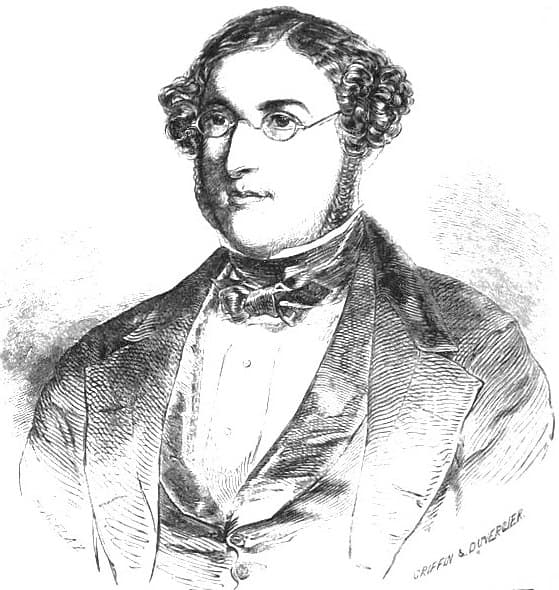
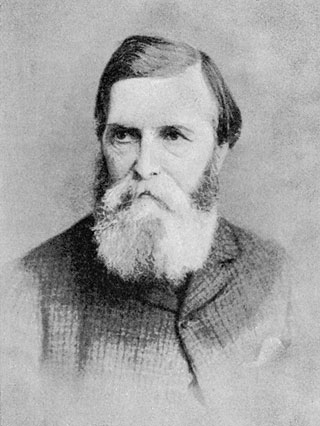
George W. M. Reynolds
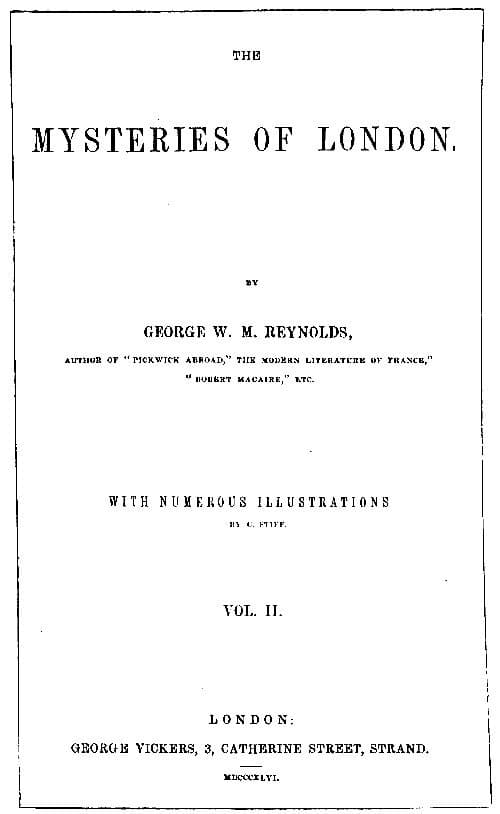
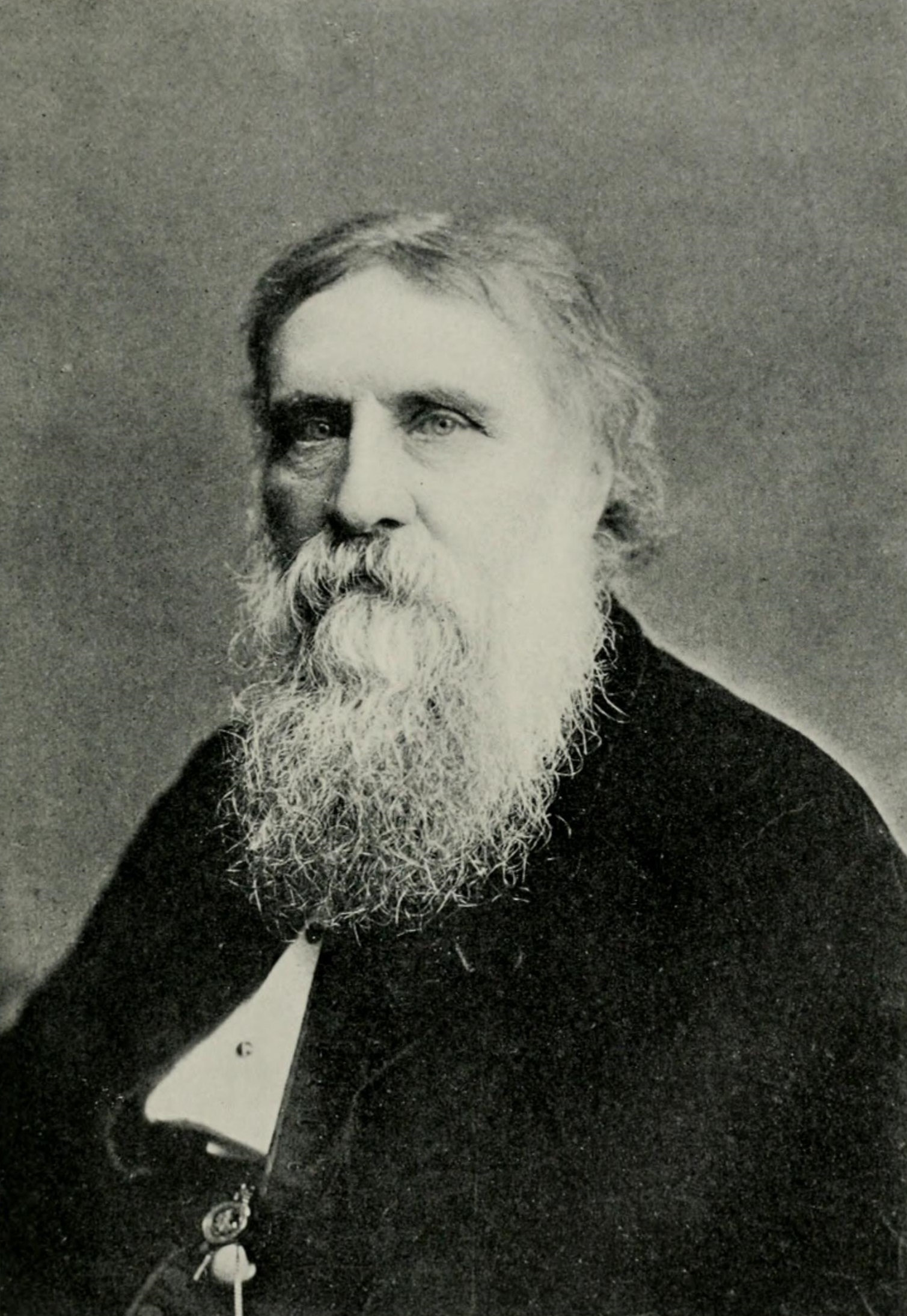
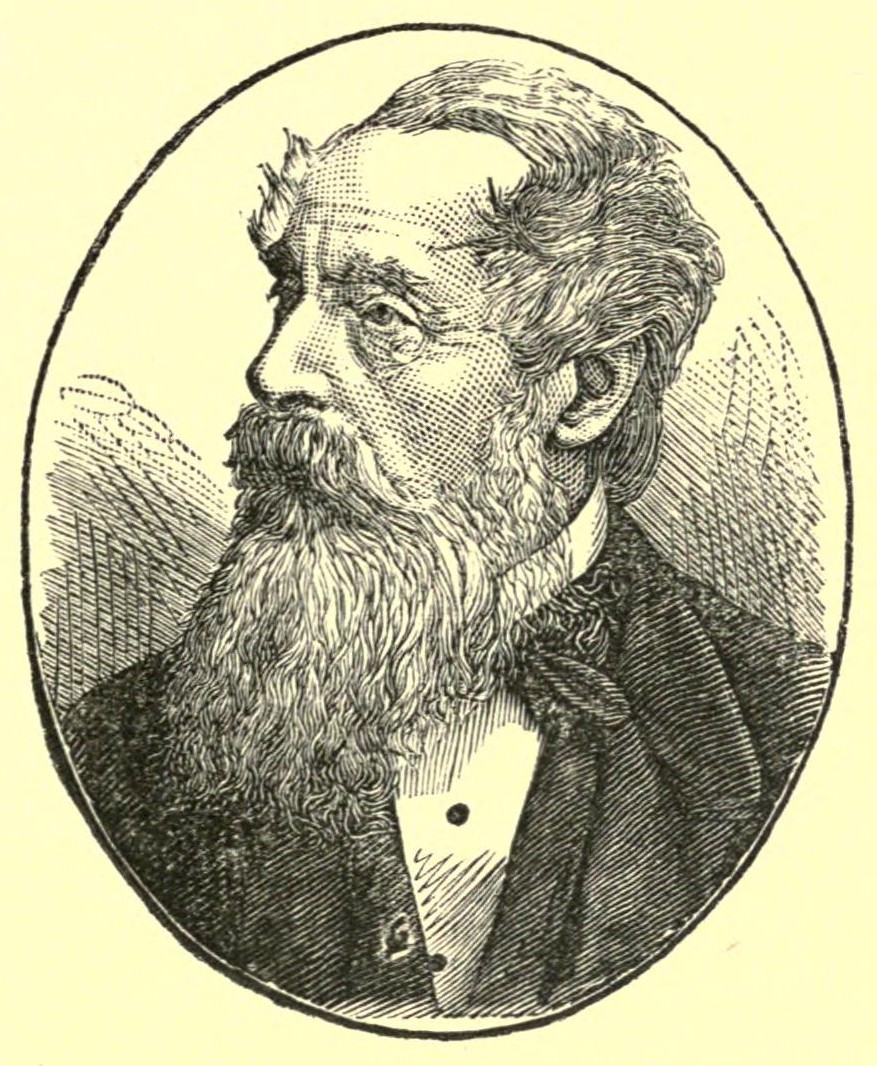
George W. M. Reynolds was a British novelist and journalist, known for his contributions to the genre of sensational fiction during the Victorian era. Born in 1814, Reynolds began his literary career as a writer for various periodicals before gaining fame for his serialized novels. His most notable work, 'The Mysteries of London,' published in 1844, was groundbreaking for its vivid portrayal of the darker aspects of urban life, including crime, poverty, and social injustice. This novel, along with others like 'The Necromancer' and 'The Count of Monte Cristo,' established him as a significant figure in the development of popular literature in England, often compared to contemporaries like Charles Dickens and Edward Bulwer-Lytton. Reynolds's writing was characterized by its sensationalism and melodrama, appealing to a broad audience and reflecting the anxieties of Victorian society. His works often tackled themes of morality, class struggle, and the consequences of vice, making him a precursor to later writers who would explore similar topics. Despite his popularity during his lifetime, Reynolds's literary reputation waned after his death in 1879, and he was largely forgotten until recent rediscoveries of his work highlighted his influence on the genre of crime fiction and the serialized novel format. His legacy endures as a testament to the complexities of Victorian literature and the societal issues it sought to address.
Famous Quotes
View all 2 quotes“truly, on the brink of the tomb no animosity should ever find a resting-place in the human heart.””
“how from time to time some young and beautiful nun had suddenly disappeared, to the surprise and alarm of her companions; how piercing shrieks had been heard to issue from the interior of the building, by those who passed near it at night,”
Books from the author



Link to this page
Add a free, dofollow link to Lex on your blog, forum, syllabus, or reading list.

<a href="https://lex-books.com/author/george-w-m-reynolds"><img src="https://lex-books.com/badges/read-on-lex.svg" alt="George W. M. Reynolds on Lex" width="160" height="40"></a>[](https://lex-books.com/author/george-w-m-reynolds)[url=https://lex-books.com/author/george-w-m-reynolds][img]https://lex-books.com/badges/read-on-lex.svg[/img][/url]George W. M. Reynolds on Lex: https://lex-books.com/author/george-w-m-reynolds