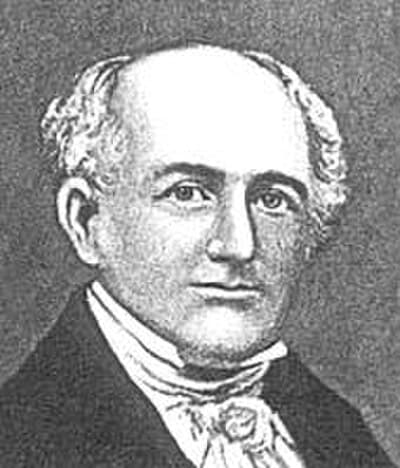
George J. Kneeland
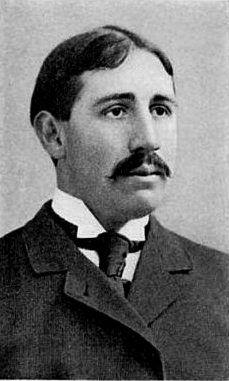
George J. Kneeland was an American sociologist and writer known for his critical examination of social issues in the early 20th century. His notable work, "Commercialized Prostitution in New York City," published in 1913, provided a detailed analysis of the sex trade in one of America's largest cities. Kneeland's research was groundbreaking for its time, as it combined sociological insights with a moral critique of the societal conditions that led to the proliferation of prostitution. He explored the economic, social, and legal factors that contributed to the commercialization of sex, shedding light on the lives of women involved in this industry and the societal attitudes towards them. Kneeland's work is significant not only for its content but also for its role in the broader discourse on social reform during the Progressive Era. By addressing the complexities of prostitution, he challenged prevailing notions and called for a more humane and informed approach to the issue. His contributions to sociology and social reform have had a lasting impact, influencing subsequent generations of scholars and activists who continue to address issues of gender, sexuality, and social justice.
Books from the author








Link to this page
Add a free, dofollow link to Lex on your blog, forum, syllabus, or reading list.

<a href="https://lex-books.com/author/george-j-kneeland"><img src="https://lex-books.com/badges/read-on-lex.svg" alt="George J. Kneeland on Lex" width="160" height="40"></a>[](https://lex-books.com/author/george-j-kneeland)[url=https://lex-books.com/author/george-j-kneeland][img]https://lex-books.com/badges/read-on-lex.svg[/img][/url]George J. Kneeland on Lex: https://lex-books.com/author/george-j-kneeland