
George Henry Lewes
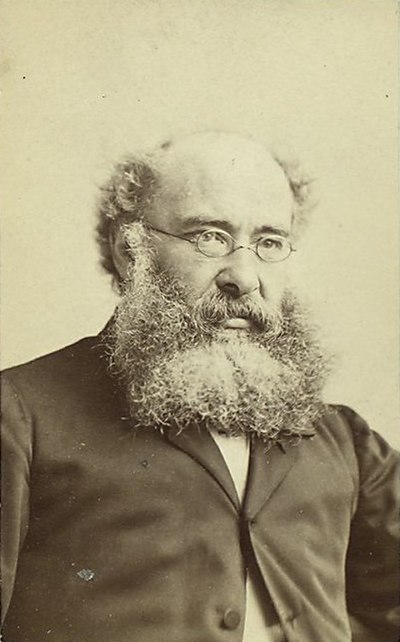
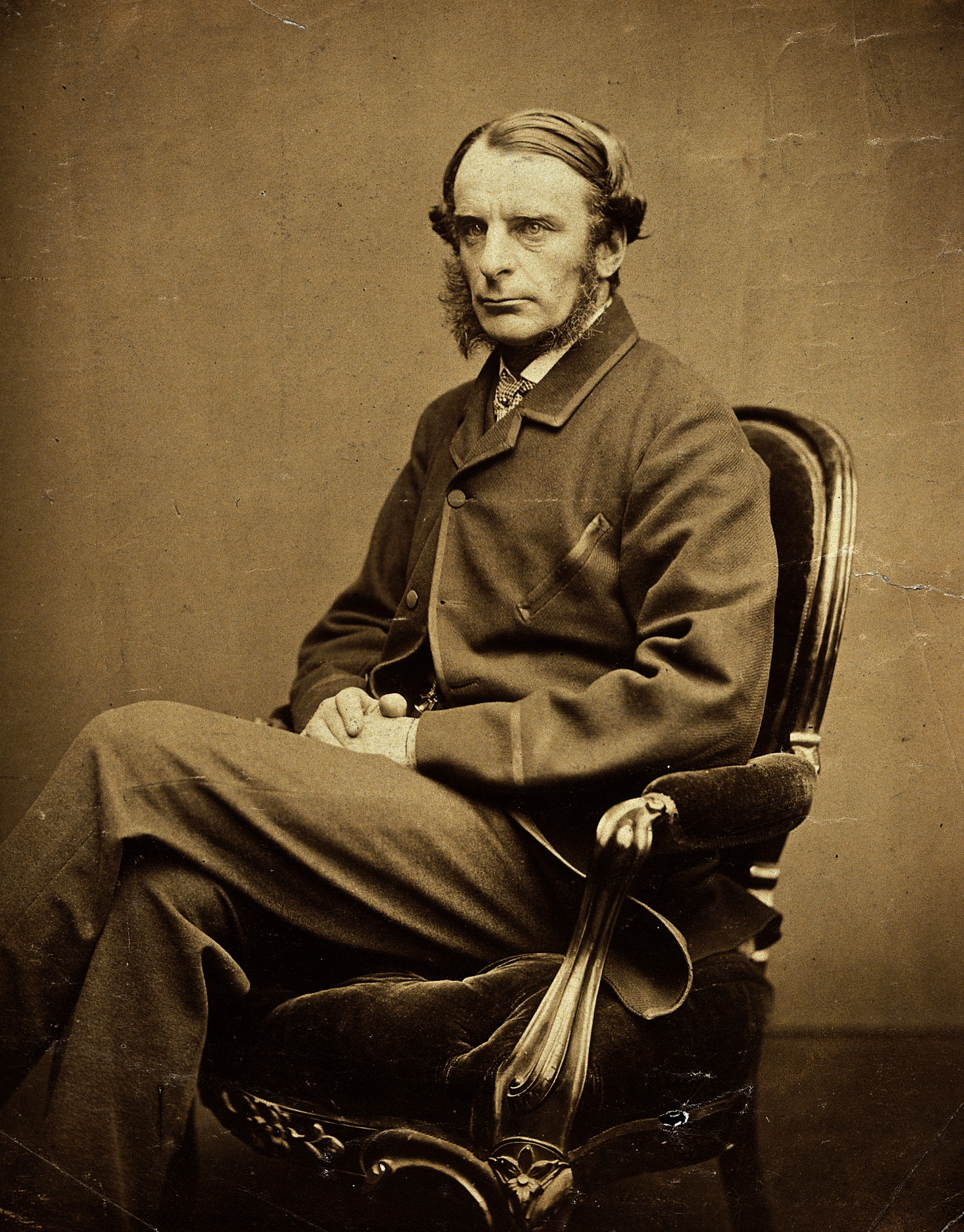
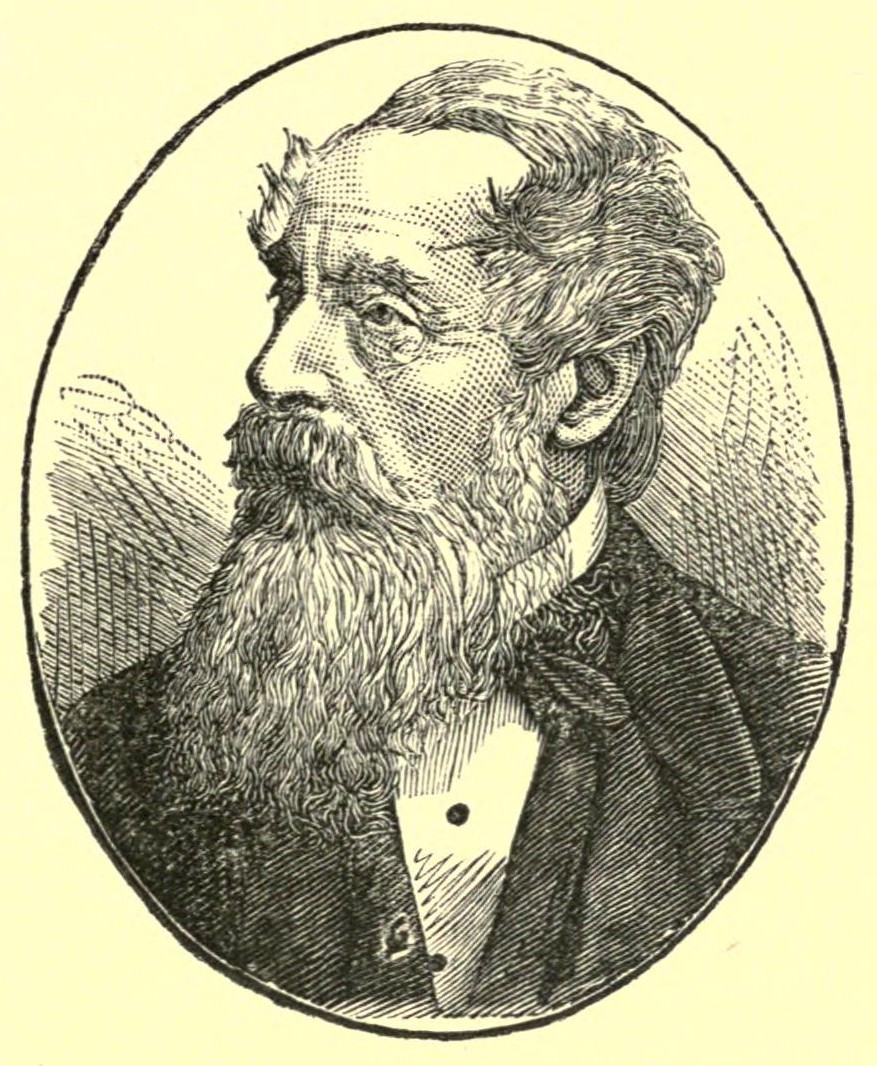
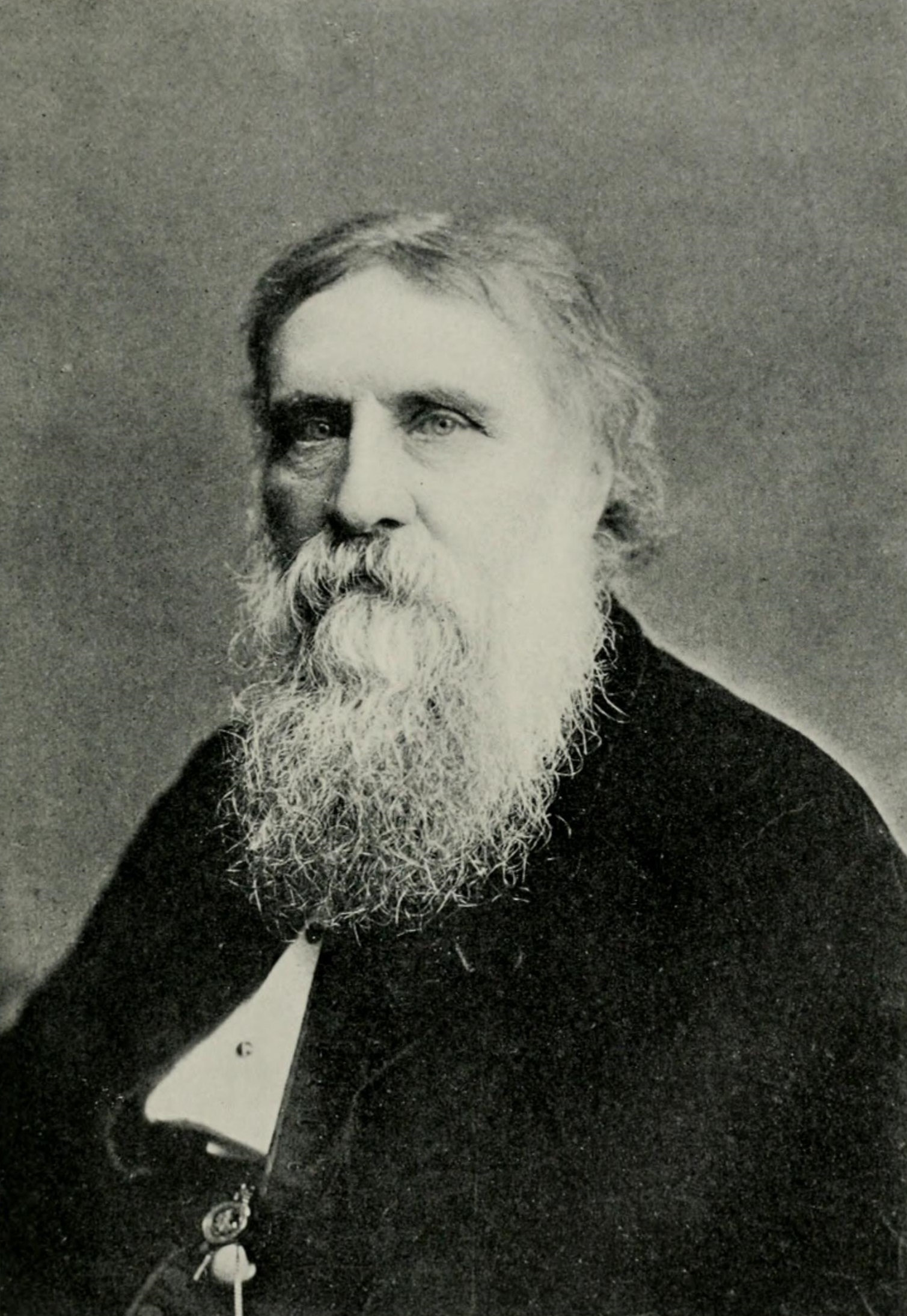
George Henry Lewes was an influential English philosopher, literary critic, and amateur physiologist, whose work contributed significantly to the intellectual landscape of the mid-Victorian era. He engaged deeply with contemporary ideas, particularly Darwinism, positivism, and religious skepticism, fostering a vibrant discourse that challenged traditional beliefs. Lewes's critical writings encompassed various forms of literature and theatre, showcasing his keen insights and innovative perspectives on the arts. His role as a critic was marked by a commitment to understanding the evolving nature of literature in a rapidly changing society. Lewes is perhaps best remembered for his unconventional personal life, particularly his long-term partnership with the renowned novelist Mary Ann Evans, better known by her pen name, George Eliot. Their relationship, characterized by intellectual companionship and mutual support, profoundly influenced both their lives and works. Although they never married, their bond was a testament to the complexities of love and partnership in the Victorian context. Lewes's legacy endures not only through his contributions to literary criticism but also through his association with one of the era's most significant writers, highlighting the interplay between personal and professional realms in the lives of creative individuals.
Famous Quotes
View all 3 quotes“We are not judicious in love; we do not select those whom we ought to love, but those whom we cannot help loving.”
“Science is the systematic classification of experience.”
“In complex trains of thought, signs are indispensable.”
Books from the author
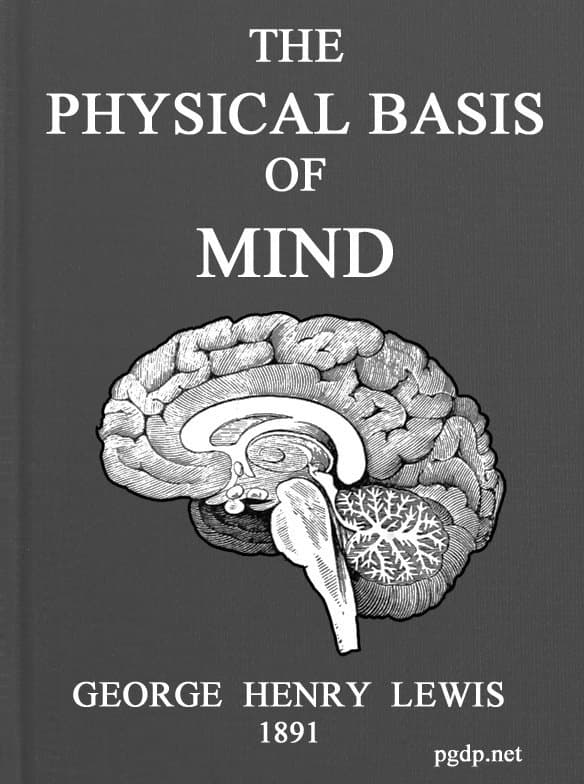

Link to this page
Add a free, dofollow link to Lex on your blog, forum, syllabus, or reading list.

<a href="https://lex-books.com/author/george-henry-lewes"><img src="https://lex-books.com/badges/read-on-lex.svg" alt="George Henry Lewes on Lex" width="160" height="40"></a>[](https://lex-books.com/author/george-henry-lewes)[url=https://lex-books.com/author/george-henry-lewes][img]https://lex-books.com/badges/read-on-lex.svg[/img][/url]George Henry Lewes on Lex: https://lex-books.com/author/george-henry-lewes