George Hartmann
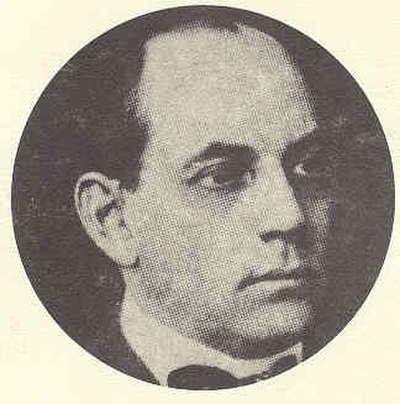
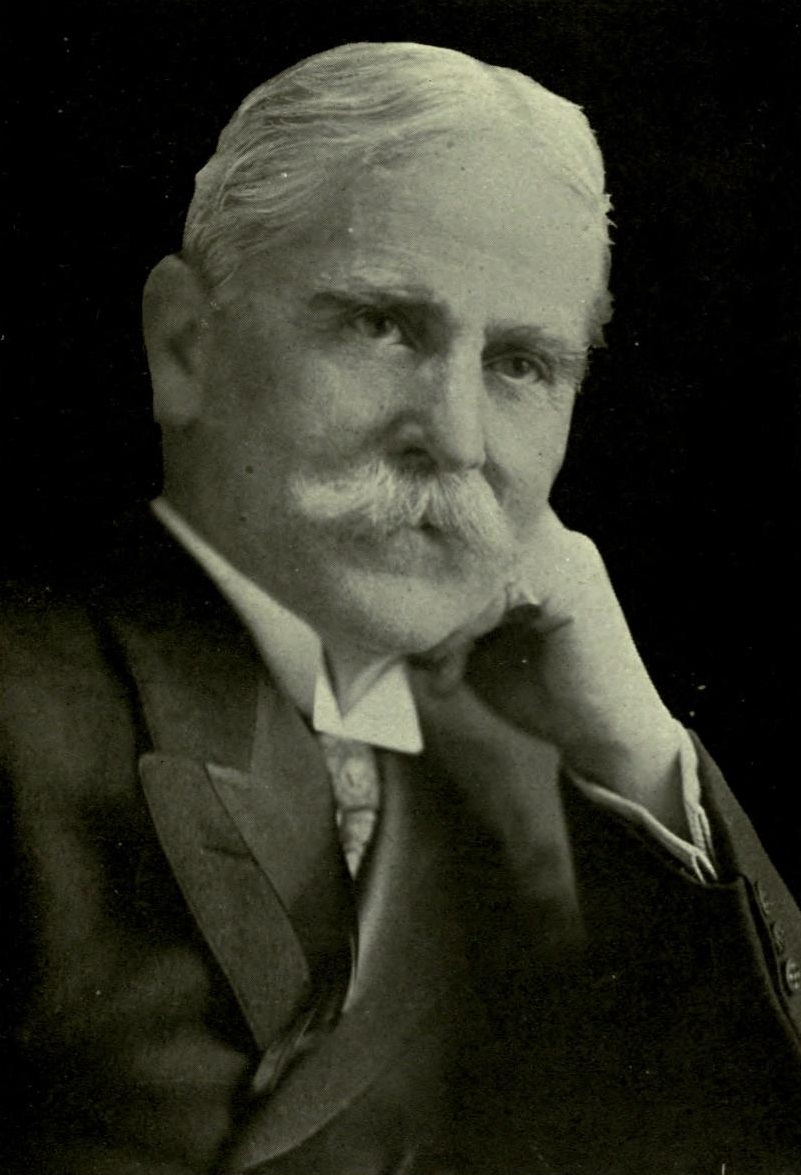
Romain-Jean-François "Georges" Hartmann (15 May 1843 – 22 April 1900) was a French music publisher, dramatist and opera librettist (publishing under the pen name Henri Grémont). Born in Paris, he was the son of Jean Hartmann (1804–1880), a German national born in Neustadt, Bavaria, who acted as the French distributor for the music publisher B. Schott's Söhne. In 1868, Georges Hartmann became a music publisher, publishing, among others, works by Georges Bizet, Jules Massenet, Édouard Lalo, Benjamin Godard, César Franck, and Ernest Reyer. In May 1891, his publishing house failed and he was forced to sell it to Henri Heugel, the intermediary being Paul-Émile Chevalier, an employee of Hartmann's who was a nephew of Heugel. Through merger in 1980, Heugel itself became part of Éditions Alphonse Leduc publishing empire. Hartmann's own librettos include those to Massenet's operas Hérodiade (1881) and Werther (1892), Charles Silver's Château Brillon (1892), André Messager's Madame Chrysanthème (1893) and Reynaldo Hahn's L'Île du rêve (1898).
Famous Quotes
View all 3 quotes“as the consequences of global warming further manifest themselves, political will for a hard cap will undoubtedly build, just like it did with sulfur dioxide that caused acid rain in the 1980s. It’s rarely discussed in the press, but President George Herbert Walker Bush successfully pushed through a cap-and-trade program for sulfur dioxide which radically reduced acid rain.””
“The Supreme Court was beyond their constitutional power when they handed George W. Bush the victory in 2000 by ruling that if all the votes were counted in Florida, as that state’s supreme court had ordered, it would “cause irreparable harm to petitioner [George W. Bush].” They were beyond their constitutional power every single time they struck down a law passed by Congress and signed by the president over the years. And most important, the Supreme Court was way beyond their constitutional authority every single time they created out of whole cloth new legal doctrines, such as “separate but equal” in Plessy v. Ferguson, “privacy” in Roe v. Wade, or “corporations are people” in Citizens United v. Federal Election Commission. But in the fine tradition of John Marshall, today’s Supreme Court wants you to believe that they are the über-overlords of our nation. They can make George W. Bush president, without any appeal. They can make money into speech, they can turn corporations into people, and the rest of us have no say in it. And they’re wrong. It’s not what the Constitution says, and it’s not what most of our Founders said. Which raises the question: If the Supreme Court can’t decide what is and what isn’t constitutional, then what is its purpose? What’s it really supposed to be doing? The answer to that is laid out in the Constitution in plain black-and-white. It’s the first court where the nation goes for cases involving disputes about treaties, ambassadors, controversies between two or more states, between a state and citizen of another state, between citizens of different states, and between our country and foreign states. Read Article 3, Section 2 of the Constitution”
“If this trend continues, it’s probably just a matter of time before a corporation (maybe one of the many mercenary forces that emerged out of George W. Bush’s Iraq War?) claims the Second Amendment right to bear arms anywhere, anytime, and your credit card company’s bill collector shows up at your home with a sidearm.””
Books from the author



Link to this page
Add a free, dofollow link to Lex on your blog, forum, syllabus, or reading list.

<a href="https://lex-books.com/author/george-hartmann"><img src="https://lex-books.com/badges/read-on-lex.svg" alt="George Hartmann on Lex" width="160" height="40"></a>[](https://lex-books.com/author/george-hartmann)[url=https://lex-books.com/author/george-hartmann][img]https://lex-books.com/badges/read-on-lex.svg[/img][/url]George Hartmann on Lex: https://lex-books.com/author/george-hartmann