
George Egerton
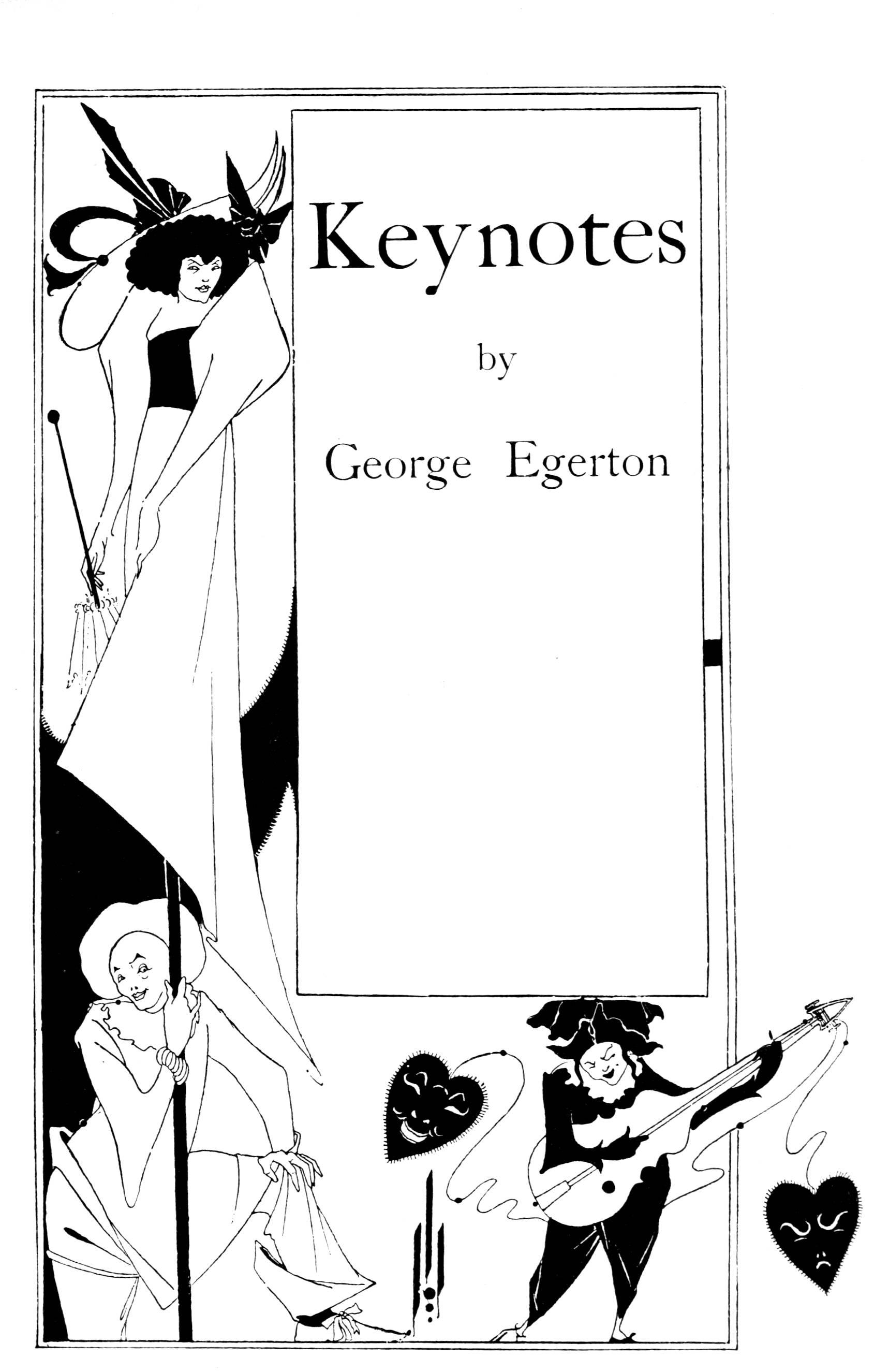
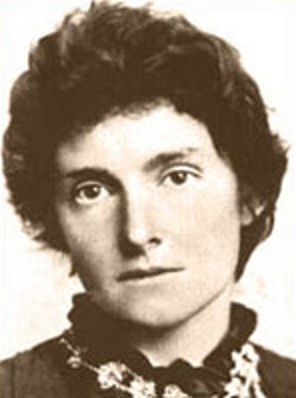
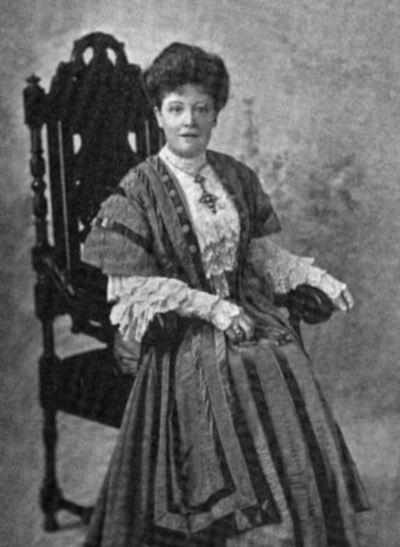
George Egerton, born Mary Chavelita Dunne Bright, was a pioneering figure in the late nineteenth-century New Woman movement and a significant voice in early modernist literature. Raised in Melbourne and later in Ireland, she drew upon her diverse experiences to craft narratives that explored the complexities of women's lives and their quest for autonomy. Her works, characterized by innovative narrative techniques and psychological depth, challenged societal norms and addressed themes of sexual freedom and personal identity. Notable pieces such as 'Keynotes' and 'Fantastics' showcased her ability to blend realism with a modernist sensibility, making her stories resonate with the struggles of women in her time. Egerton's literary contributions were not only groundbreaking for their content but also for their form, as she experimented with structure and perspective in ways that prefigured later modernist writers. Her outspoken views on women's rights and her candid exploration of sexuality positioned her as a controversial yet essential figure in the literary landscape of her era. Through her writing, Egerton left an indelible mark on the discourse surrounding gender and freedom, influencing subsequent generations of writers and feminists alike, and solidifying her legacy as a key advocate for women's liberation in literature.
Famous Quotes
View all 3 quotes“A lady decidedly. Fast? perhaps. Original? undoubtedly. Worth knowing? rather.”
“But as a conscientious stickler for truth, I must say that both in trout as in women, I have found myself faced with most puzzling varieties, that were a tantalizing blending of several qualities. I then resolved to study them on my own account. I pursued the Eternal Feminine in a spirit of purely scientific investigation. I knew you'd laugh sceptically at that, but it's a fact. I was impartial in my selection of subjects for observation—French, German, Spanish, as well as the home product. Nothing in petticoats escaped me. I devoted myself to the freshest ingenue as well as the experienced widow of three departed; and I may as well confess that the more I saw of her, the less I understood her. But I think they understood me. They refused to take me au sérieux.”
“There are other things than trout in the world.”
Books from the author


Link to this page
Add a free, dofollow link to Lex on your blog, forum, syllabus, or reading list.

<a href="https://lex-books.com/author/george-egerton"><img src="https://lex-books.com/badges/read-on-lex.svg" alt="George Egerton on Lex" width="160" height="40"></a>[](https://lex-books.com/author/george-egerton)[url=https://lex-books.com/author/george-egerton][img]https://lex-books.com/badges/read-on-lex.svg[/img][/url]George Egerton on Lex: https://lex-books.com/author/george-egerton