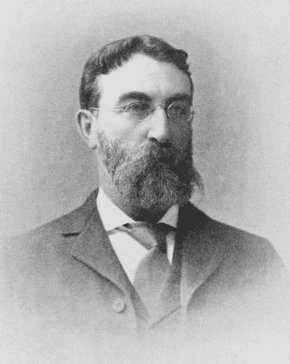
George Burton Adams
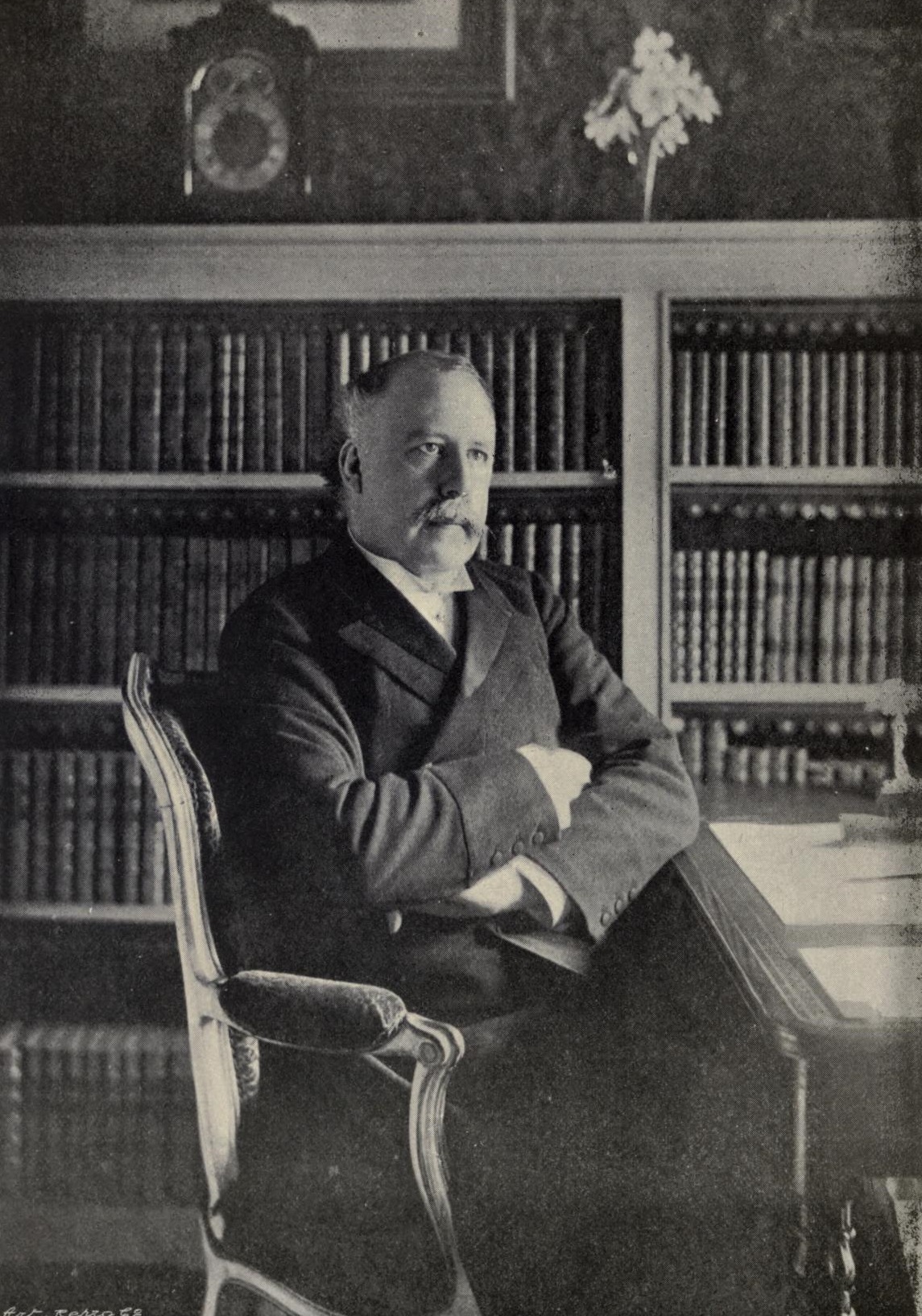
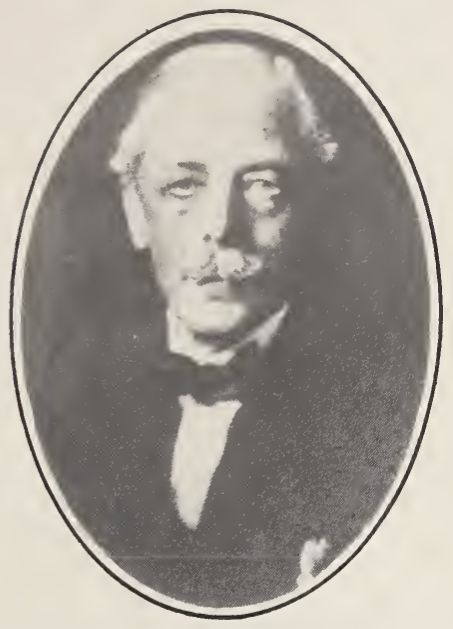
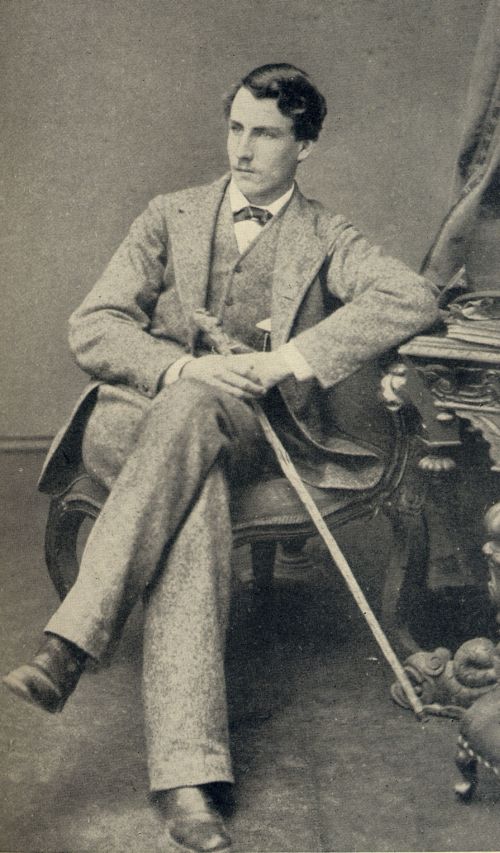
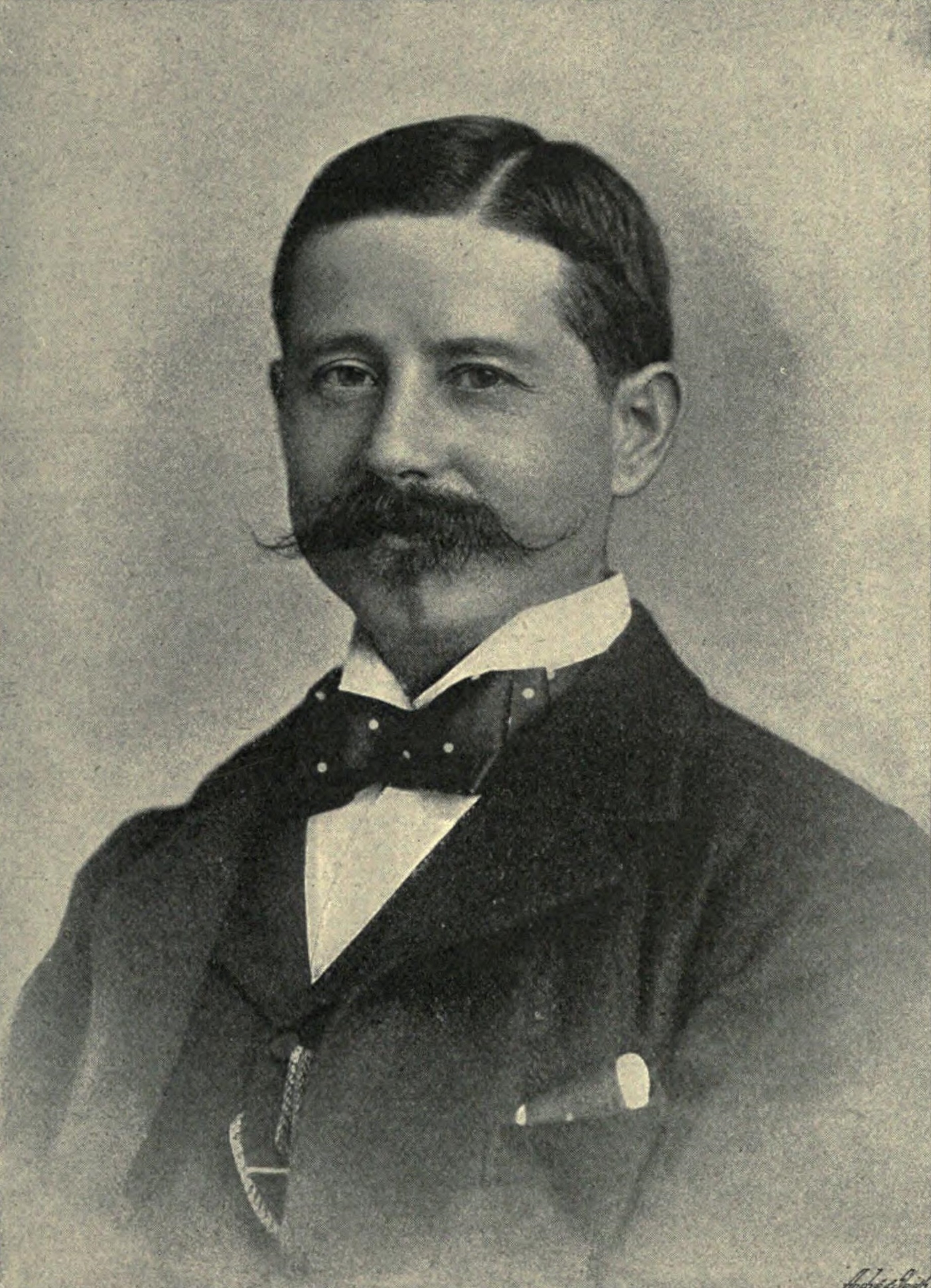
George Burton Adams was an influential American medievalist historian whose academic career spanned nearly four decades at Yale University, where he taught from 1888 until his death in 1925. Born in Fairfield, Vermont, he was the son of a Congregational clergyman, which likely influenced his scholarly pursuits. Adams was a prominent figure in the field of history, known for his critical views on the growing influence of social sciences on historical studies. His 1908 presidential address to the American Historical Association articulated concerns about this trend, asserting the unique value of historical inquiry, a stance that sparked debate among contemporaries, including the notable historian James Harvey Robinson. In addition to his teaching, Adams contributed significantly to the academic community by helping to establish the American Historical Review, a key publication in the field. His scholarly work and leadership earned him recognition, leading to his election as a member of the American Antiquarian Society in 1899 and as a fellow of the American Academy of Arts and Sciences in 1918. Adams's legacy lies in his commitment to the discipline of history and his efforts to maintain its integrity amidst the evolving landscape of social sciences, marking him as a significant figure in American historical scholarship.
Famous Quotes
View all 1 quotes“Note how good you feel after you have encouraged someone else. No other argument is necessary to suggest that never miss the opportunity to give encouragement.”
Books from the author



Link to this page
Add a free, dofollow link to Lex on your blog, forum, syllabus, or reading list.

<a href="https://lex-books.com/author/george-burton-adams"><img src="https://lex-books.com/badges/read-on-lex.svg" alt="George Burton Adams on Lex" width="160" height="40"></a>[](https://lex-books.com/author/george-burton-adams)[url=https://lex-books.com/author/george-burton-adams][img]https://lex-books.com/badges/read-on-lex.svg[/img][/url]George Burton Adams on Lex: https://lex-books.com/author/george-burton-adams