
George Barton Cutten
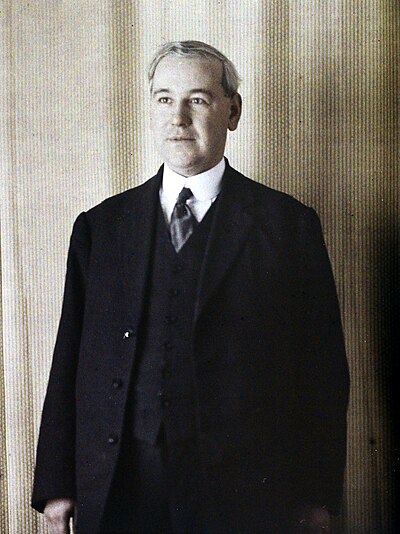
George Barton Cutten was a prominent Canadian-born psychologist, moral philosopher, and historian, who made significant contributions to academia during his tenure as a university administrator. He served as the president of Acadia University from 1910 to 1922, where he was instrumental in shaping the institution's educational framework and promoting a progressive vision of higher education. Following his time at Acadia, Cutten became the president of Colgate University from 1922 to 1942, a period marked by growth and modernization of the university's programs and facilities. Cutten's work extended beyond administration; he was a prolific writer and thinker whose interests spanned psychology, ethics, and history. His scholarly contributions included discussions on the interplay between moral philosophy and psychological principles, reflecting a deep commitment to understanding human behavior and ethical considerations. His legacy is evident in the institutions he led and the intellectual discourse he fostered, influencing generations of students and educators in the field of psychology and moral philosophy.
Famous Quotes
View all 1 quotes“The whole system of mental therapeutics may be divided into two parts; what we may designate as metaphysical cure denies that either matter or evil exists, and heals by inspiring the belief that the disease cannot assail the patient because he is pure spirit; the other class, faith cure, recognizes the disease, but cures by faith in the power of divinity, persons, objects, or suggestion.”
Books from the author


Link to this page
Add a free, dofollow link to Lex on your blog, forum, syllabus, or reading list.

<a href="https://lex-books.com/author/george-barton-cutten"><img src="https://lex-books.com/badges/read-on-lex.svg" alt="George Barton Cutten on Lex" width="160" height="40"></a>[](https://lex-books.com/author/george-barton-cutten)[url=https://lex-books.com/author/george-barton-cutten][img]https://lex-books.com/badges/read-on-lex.svg[/img][/url]George Barton Cutten on Lex: https://lex-books.com/author/george-barton-cutten