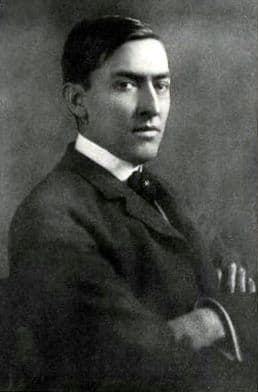
George Ade
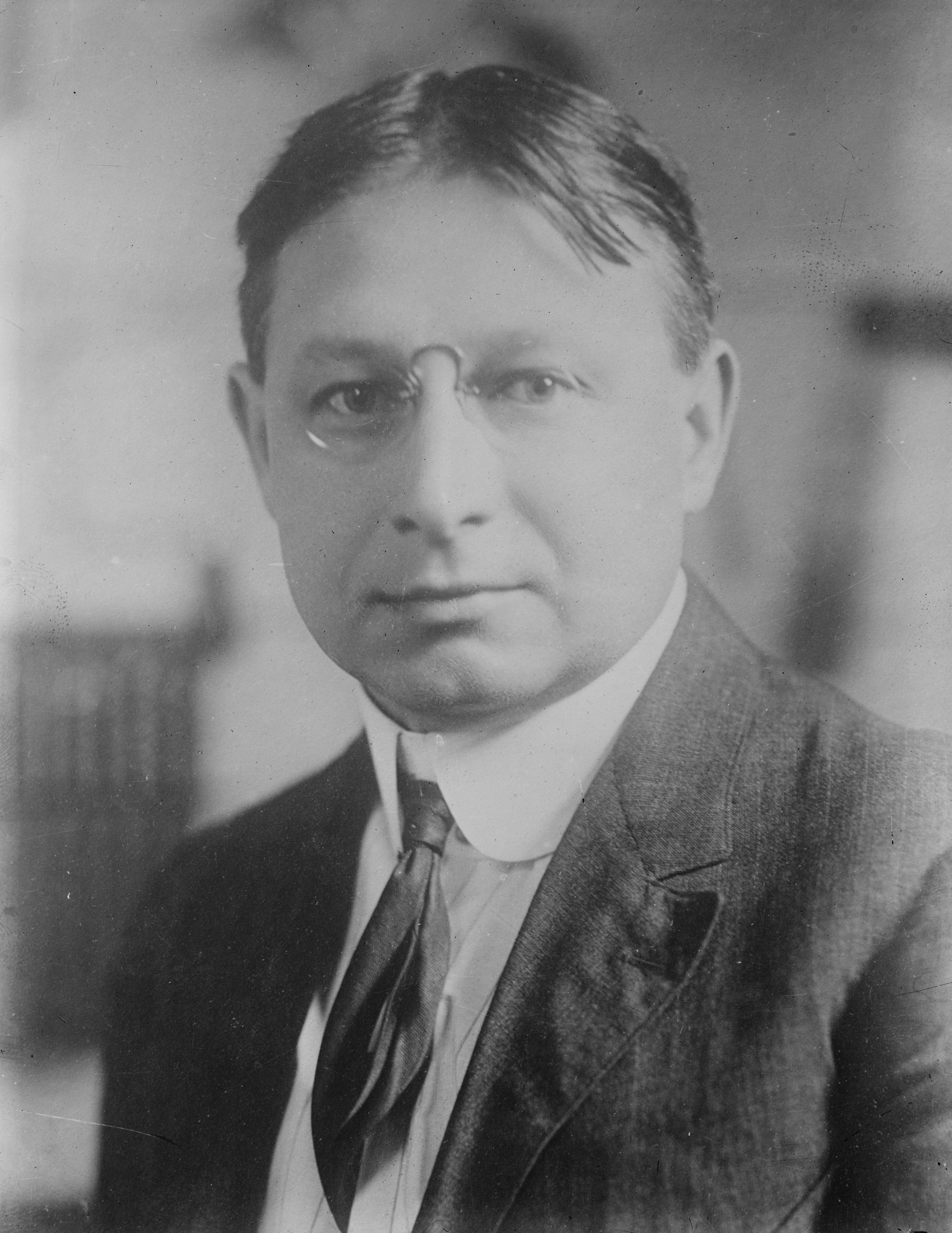
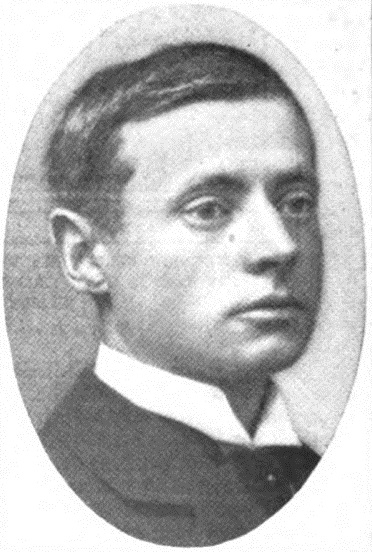
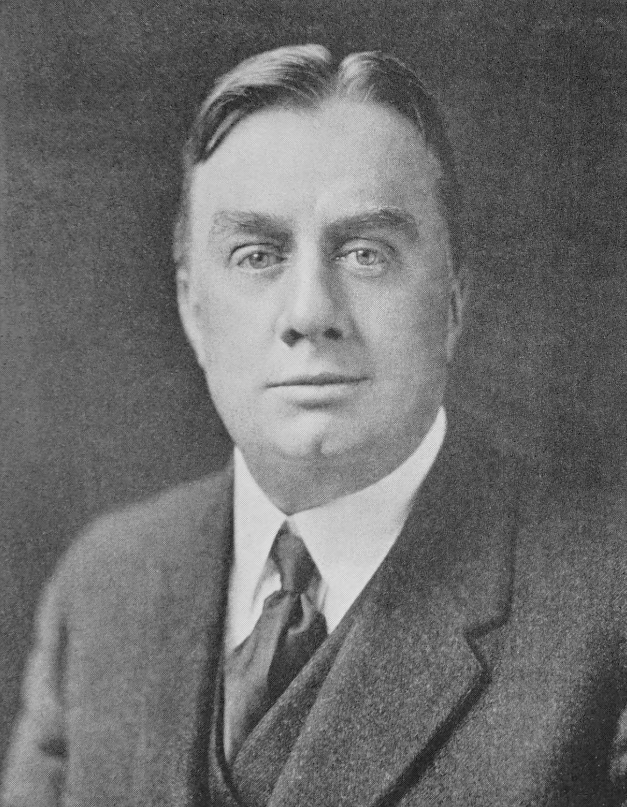
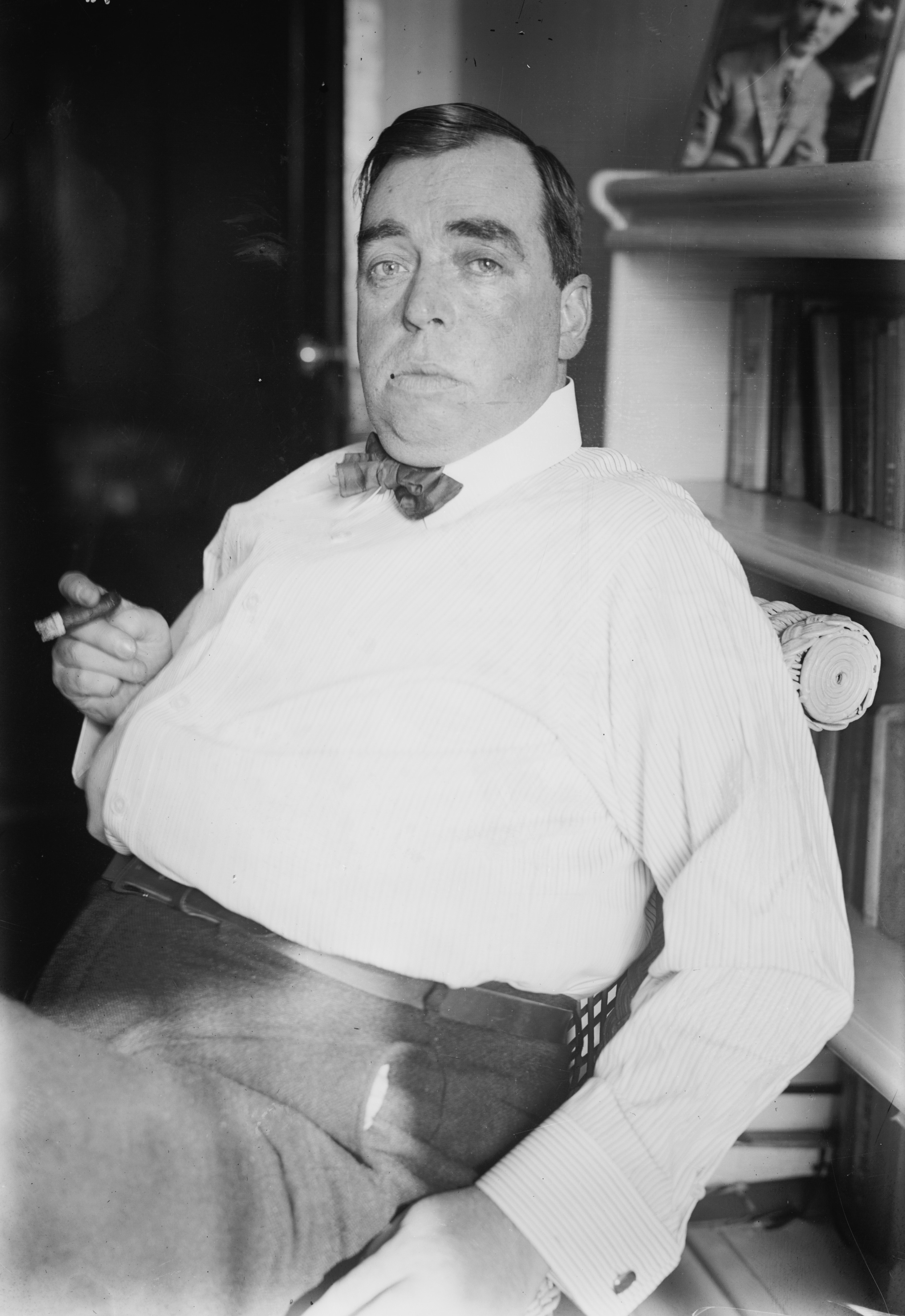
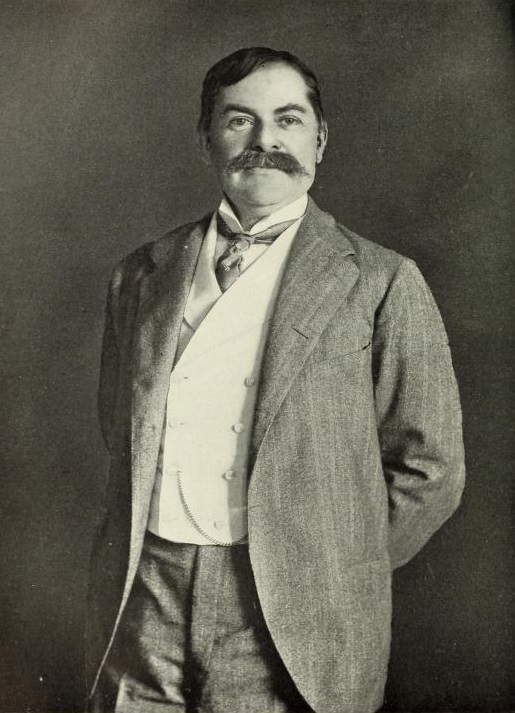
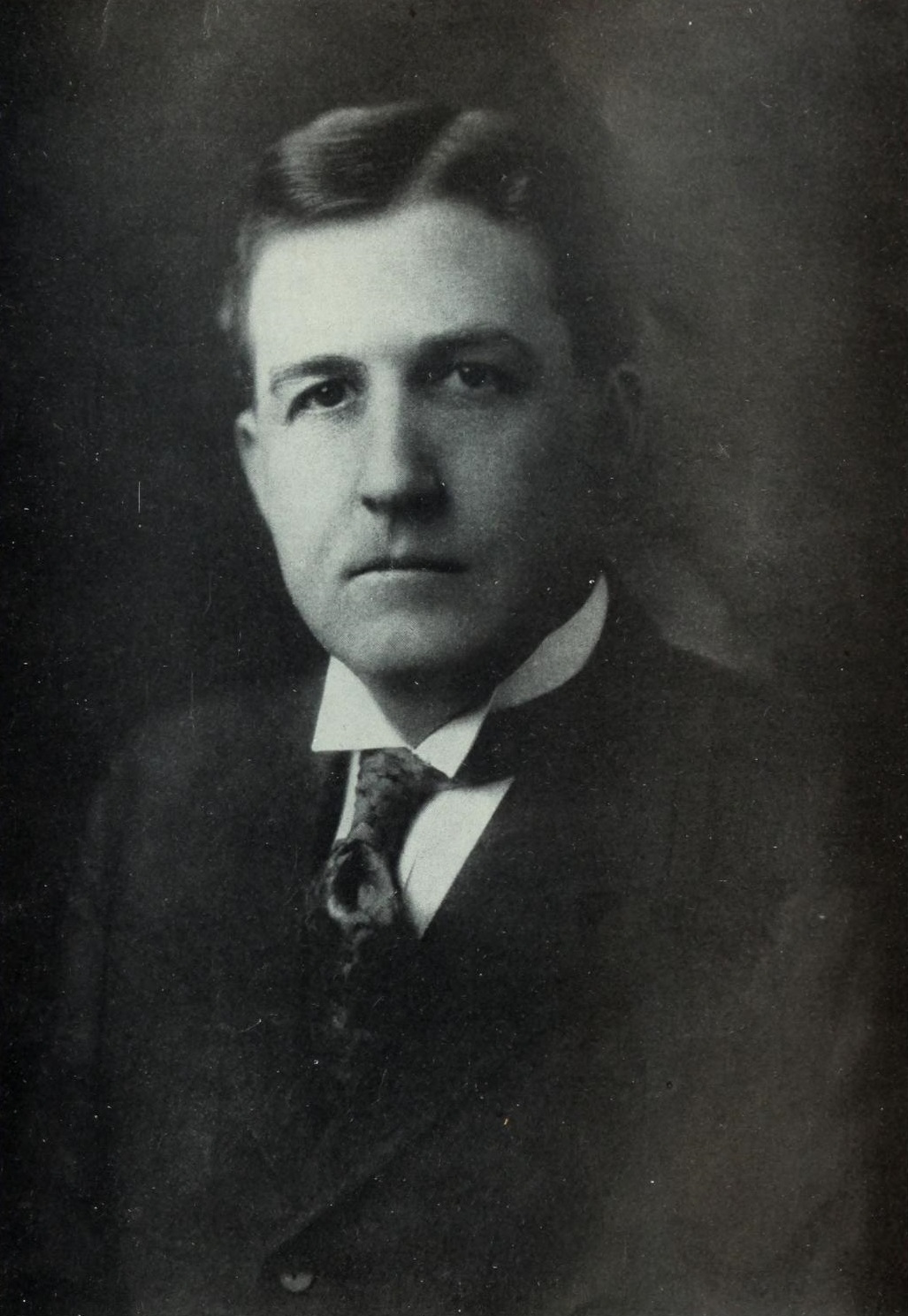
George Ade was an influential American writer, known for his sharp wit and keen observations of urban life in the early 20th century. He gained national recognition through his column 'Stories of the Streets and of the Town,' which vividly captured the essence of Chicago using street language and slang. Ade's unique style, characterized by humorous fables written in vernacular speech, earned him the moniker 'Aesop of Indiana.' His notable works include 'Fables in Slang' (1900), which was the first in a series that showcased his talent for blending humor with social commentary, as well as 'Artie' (1896) and 'Pink Marsh' (1897). Ade's storytelling not only entertained but also reflected the cultural landscape of his time. In addition to his literary contributions, Ade made significant strides in the theater, with his operetta 'The Sultan of Sulu' marking his Broadway debut in 1901. His plays, including 'The County Chairman' and 'The College Widow,' were among the most popular productions on Broadway in 1904, solidifying his status as a prominent playwright. Alongside contemporaries like Booth Tarkington and James Whitcomb Riley, Ade played a crucial role in establishing a Golden Age of literature in Indiana. His legacy as a humorist and playwright continues to influence American literature and theater, showcasing the power of local dialect and everyday experiences in storytelling.
Famous Quotes
View all 3 quotes“After being turned down by numerous publishers, he decided to write for posterity.”
“In the city a funeral is just an interruption of traffic; in the country it is a form of entertainment.”
“A lot of smart young people have come out of Indiana. The smarter they are, the faster they come out”
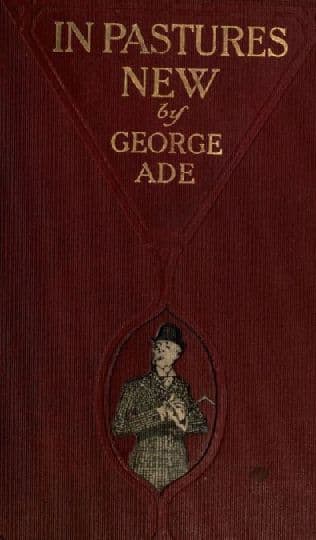
Books from the author



Link to this page
Add a free, dofollow link to Lex on your blog, forum, syllabus, or reading list.

<a href="https://lex-books.com/author/george-ade"><img src="https://lex-books.com/badges/read-on-lex.svg" alt="George Ade on Lex" width="160" height="40"></a>[](https://lex-books.com/author/george-ade)[url=https://lex-books.com/author/george-ade][img]https://lex-books.com/badges/read-on-lex.svg[/img][/url]George Ade on Lex: https://lex-books.com/author/george-ade