
Gabriel de Tarde
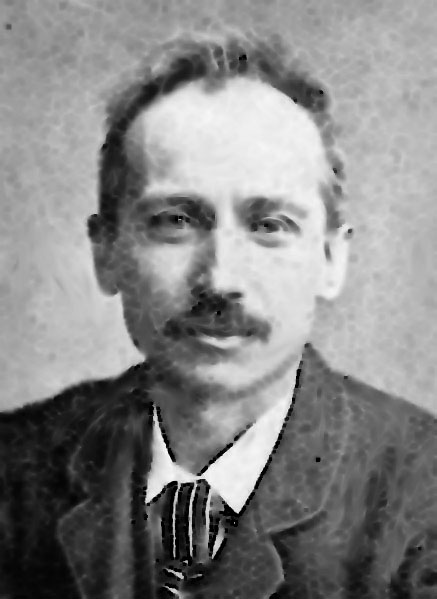
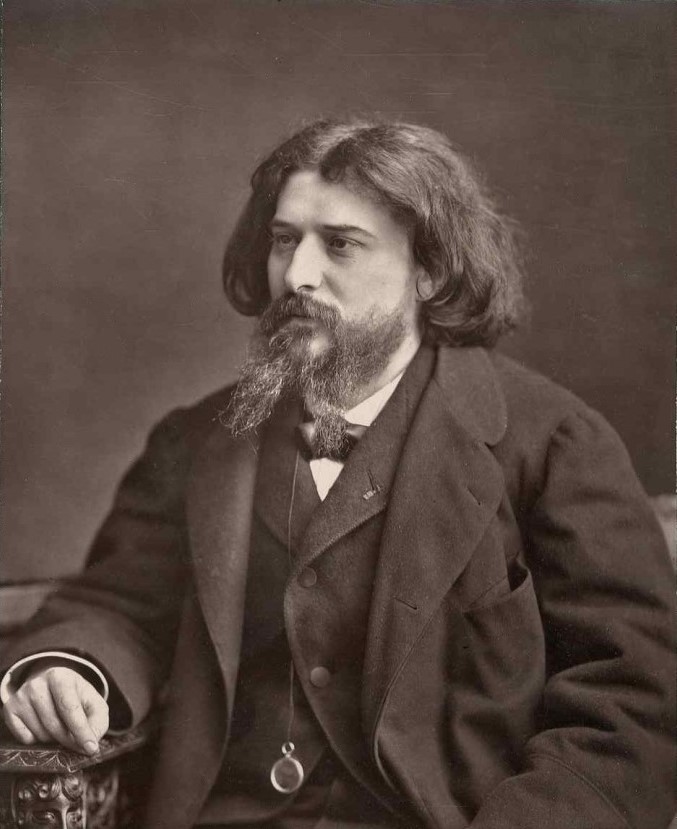
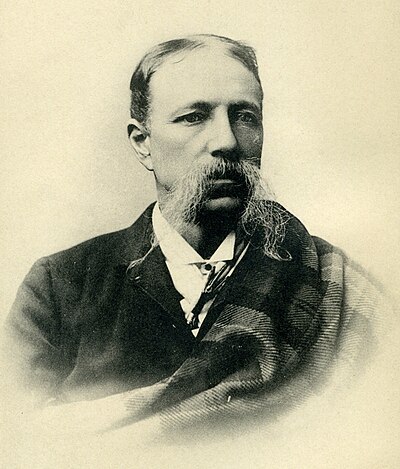
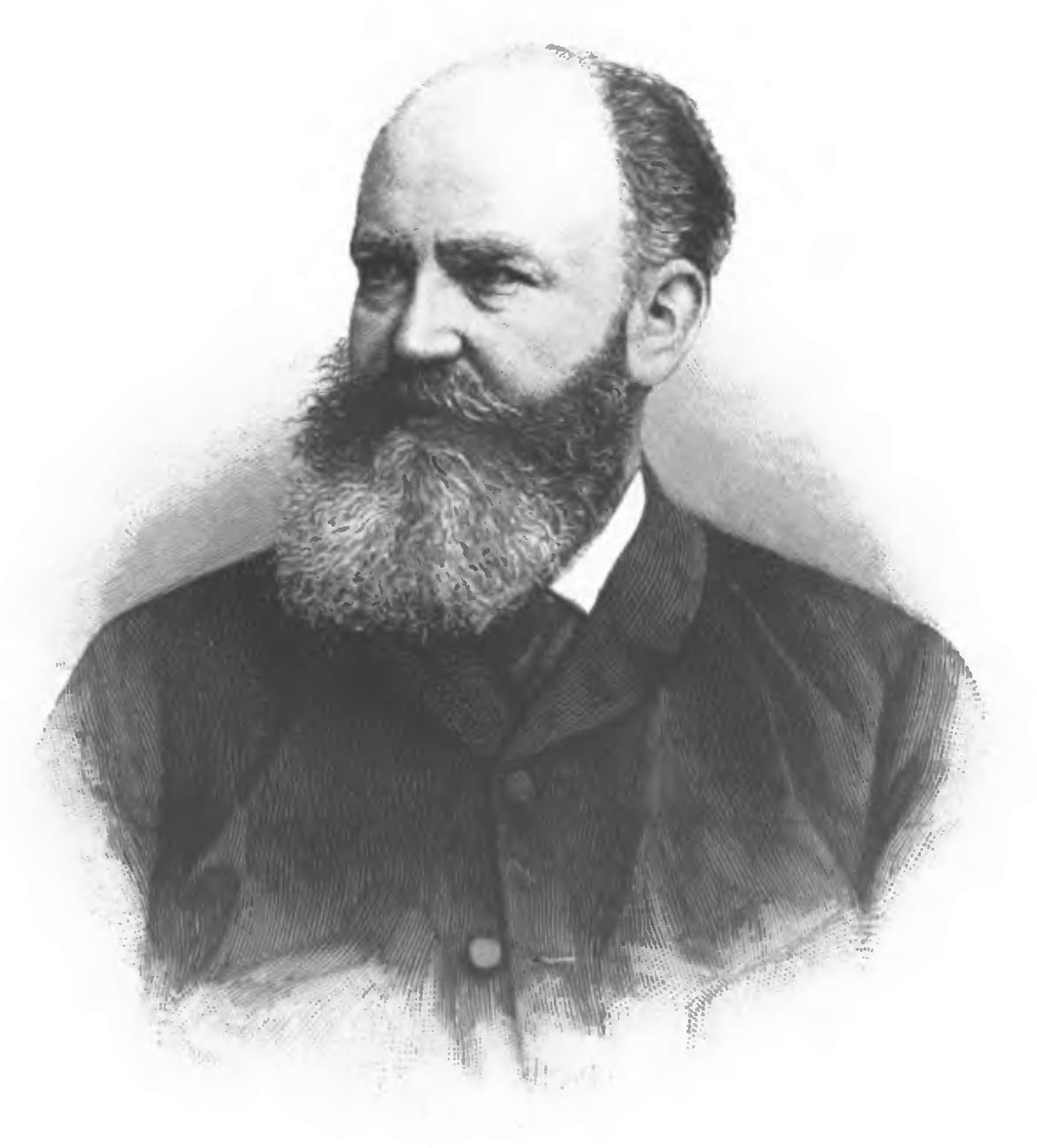
Gabriel de Tarde was a pioneering French sociologist and criminologist known for his innovative theories on social interaction and the dynamics of society. He proposed that sociology should be understood through the lens of small psychological interactions among individuals, likening these interactions to chemical reactions. Central to his thought were the concepts of imitation and innovation, which he believed were the fundamental forces driving social change and development. His seminal works, including 'Les Lois de l'imitation' (The Laws of Imitation) and 'L'Opinion et la Foule' (Public Opinion and the Crowd), laid the groundwork for future sociological inquiry and highlighted the importance of individual behavior in shaping collective phenomena. Tarde's ideas were often at odds with the prevailing positivist approaches of his time, particularly those of Auguste Comte, leading to a contentious yet fruitful intellectual legacy. His emphasis on the psychological underpinnings of social behavior influenced later thinkers in sociology, psychology, and even anthropology. Despite being overshadowed by contemporaries, Tarde's insights into the mechanisms of social influence and the role of innovation continue to resonate in contemporary social sciences, marking him as a significant figure in the development of modern sociology and social psychology.
Books from the author



Link to this page
Add a free, dofollow link to Lex on your blog, forum, syllabus, or reading list.

<a href="https://lex-books.com/author/gabriel-de-tarde"><img src="https://lex-books.com/badges/read-on-lex.svg" alt="Gabriel de Tarde on Lex" width="160" height="40"></a>[](https://lex-books.com/author/gabriel-de-tarde)[url=https://lex-books.com/author/gabriel-de-tarde][img]https://lex-books.com/badges/read-on-lex.svg[/img][/url]Gabriel de Tarde on Lex: https://lex-books.com/author/gabriel-de-tarde