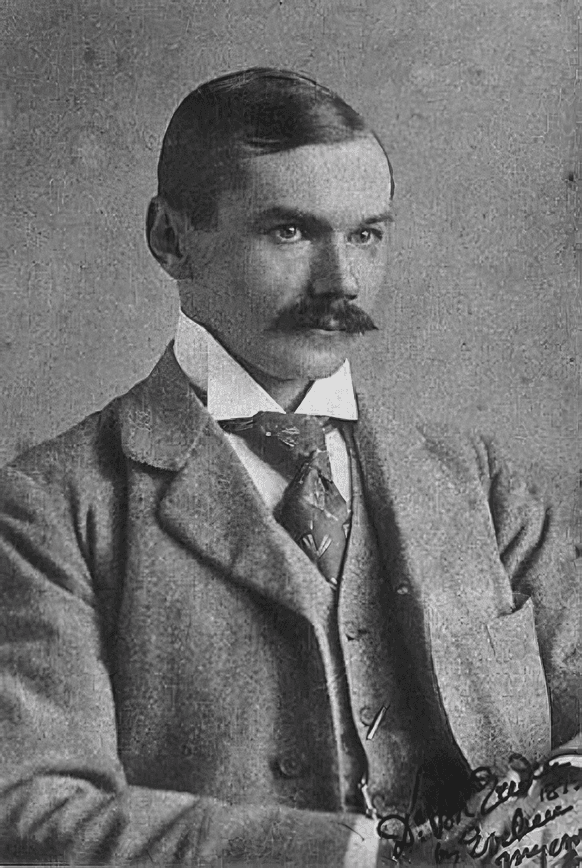
Frederik van Eeden
Frederik Willem van Eeden was a prominent Dutch writer and psychiatrist, recognized for his contributions to literature and his involvement in the cultural movements of the late 19th and early 20th centuries. As a leading figure among the Tachtigers, a group of Dutch writers advocating for artistic innovation and realism, he played a crucial role in the editorial team of De Nieuwe Gids, a literary magazine that significantly influenced Dutch literature during its early years. His works often explored themes of psychology, ethics, and the human experience, reflecting his dual interests in literature and psychiatry. Among his notable works is 'Het Vegetariaat' (1896), where he championed vegetarianism not only as a health choice but also as an ethical lifestyle. This work exemplified his commitment to social issues, although he later distanced himself from strict vegetarianism as his philosophical outlook evolved. Van Eeden's literary significance lies in his exploration of complex psychological themes and his contributions to the development of modern Dutch literature. His legacy endures through his innovative narrative techniques and his influence on subsequent generations of writers, particularly in the realms of psychological fiction and ethical discourse.
Famous Quotes
View all 3 quotes“God is een groote petroleumlamp, waardoor duizenden verdwalen en verongelukken.”
“Toen zette de kleine Johannes zich op den duinrand en staarde - staarde in lang, roerloos zwijgen - totdat het hem was, alsof hij ging sterven, alsof de groote, gouden deuren van het heelal zich statig ontsloten en zijn kleine ziel het eerste licht der oneindigheid tegenzweefde. En totdat de tranen, die in zijn wijd geopende oogen welden, de schoone zon omfloersten en de pracht van hemel en aarde deden wegdeinzen in een duistere, trillende schemering ... ‘Zoo moet gij bidden!’ zeide toen Windekind.”
“En zij liep met hare onzekerheid rond als met een lossen tand die zij niet trekken kon maar waaraan zij telkens voelen moest.”
Books from the author


Link to this page
Add a free, dofollow link to Lex on your blog, forum, syllabus, or reading list.

<a href="https://lex-books.com/author/frederik-van-eeden"><img src="https://lex-books.com/badges/read-on-lex.svg" alt="Frederik van Eeden on Lex" width="160" height="40"></a>[](https://lex-books.com/author/frederik-van-eeden)[url=https://lex-books.com/author/frederik-van-eeden][img]https://lex-books.com/badges/read-on-lex.svg[/img][/url]Frederik van Eeden on Lex: https://lex-books.com/author/frederik-van-eeden