The Bride of Dreams
1906
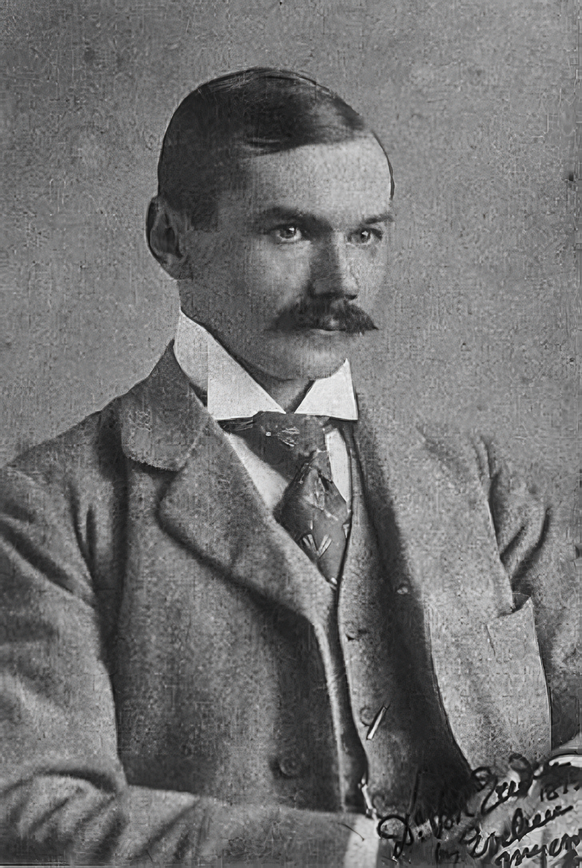
Frederik van Eeden's 1906 masterpiece proposes a radical theory: the afterlife is not a destination we reach after death, but a country we enter every night in our dreams. By mastering our dreams, we prepare for what comes beyond. Muralto, an elderly man of Italian aristocratic descent living in a faded coastal town, serves as van Eeden's philosophical vessel. Through his recollections of childhood, his first love for a girl named Emmy Tenders, and his mounting preoccupation with the dream world, the novel constructs a profound meditation on mortality, desire, and the fragile boundary between sleeping and waking. The town itself mirrors Muralto's inner landscape, once vibrant but now a relic of its former glory. This is not mere nostalgia but a deliberate exploration of how memory shapes reality, how desire distorts truth, and how the dreams we harbor may be more real than the lives we live. Van Eeden writes with the precision of a philosopher and the sensitivity of a poet, refusing to let his thesis overwhelm his characters. The result is a haunting, intellectually daring novel that asks whether we've been living in preparation for death all along.
Editions
Link to this book
Add a free, dofollow link to Lex on your blog, forum, syllabus, or reading list.

<a href="https://lex-books.com/book/the-bride-of-dreams-253ac5da-e3cd-476f-aa36-a4d28f1ac4bb"><img src="https://lex-books.com/badges/read-on-lex.svg" alt="Read The Bride of Dreams by Frederik van Eeden free on Lex" width="160" height="40"></a>[](https://lex-books.com/book/the-bride-of-dreams-253ac5da-e3cd-476f-aa36-a4d28f1ac4bb)[url=https://lex-books.com/book/the-bride-of-dreams-253ac5da-e3cd-476f-aa36-a4d28f1ac4bb][img]https://lex-books.com/badges/read-on-lex.svg[/img][/url]Read The Bride of Dreams by Frederik van Eeden free on Lex: https://lex-books.com/book/the-bride-of-dreams-253ac5da-e3cd-476f-aa36-a4d28f1ac4bbCite this book
Reading this edition for a paper or guide? Copy a citation.
Eeden, Frederik van. The Bride of Dreams. Lex, lex-books.com/book/the-bride-of-dreams-253ac5da-e3cd-476f-aa36-a4d28f1ac4bb.Eeden, F. V. (1906). The Bride of Dreams. Lex. https://lex-books.com/book/the-bride-of-dreams-253ac5da-e3cd-476f-aa36-a4d28f1ac4bbEeden, Frederik van. The Bride of Dreams. Lex. https://lex-books.com/book/the-bride-of-dreams-253ac5da-e3cd-476f-aa36-a4d28f1ac4bb.