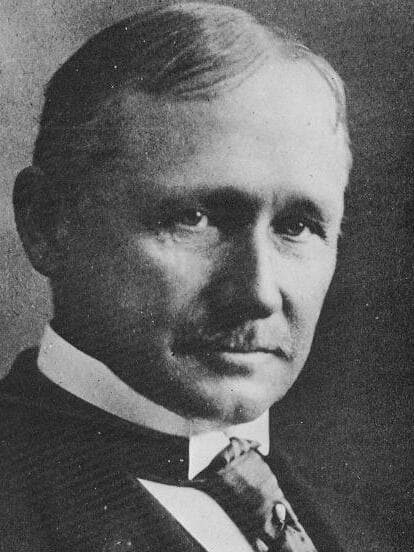
Frederick Winslow Taylor
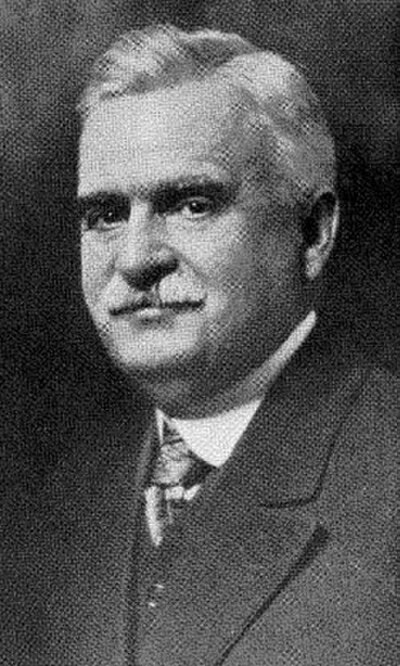
Frederick Winslow Taylor was an American mechanical engineer renowned for his groundbreaking contributions to industrial efficiency and management practices. He emerged as one of the first management consultants, advocating for a systematic approach to work processes. His seminal work, 'The Principles of Scientific Management,' published in 1909, encapsulated his innovative techniques and was later recognized as the most influential management book of the twentieth century by the Academy of Management. Taylor's methodologies emphasized the application of engineering principles to optimize labor productivity on the factory floor, laying the foundation for what is now known as industrial engineering. Taylor's legacy, often referred to as Taylorism, transformed the landscape of management and labor relations. His emphasis on efficiency and standardization not only revolutionized manufacturing practices but also sparked debates about the human cost of such methods. While he achieved considerable success and wealth through his patents on steel-process improvements, it was his pioneering work in scientific management that left an indelible mark on both the business world and the field of engineering, influencing generations of managers and engineers alike.
Famous Quotes
View all 3 quotes“In the past the man has been first; in the future the system must be first.”
“in most cases one type of man is needed to plan ahead and an entirely different type to execute the work.”
“The principal object of management should be to secure the maximum prosperity for the employer, coupled with the maximum prosperity for each employee. The words "maximum prosperity" are used, in their broad sense, to mean not only large dividends for the company or owner, but the development of every branch of the business to its highest state of excellence, so that the prosperity may be permanent.”
Books from the author





Link to this page
Add a free, dofollow link to Lex on your blog, forum, syllabus, or reading list.

<a href="https://lex-books.com/author/frederick-winslow-taylor"><img src="https://lex-books.com/badges/read-on-lex.svg" alt="Frederick Winslow Taylor on Lex" width="160" height="40"></a>[](https://lex-books.com/author/frederick-winslow-taylor)[url=https://lex-books.com/author/frederick-winslow-taylor][img]https://lex-books.com/badges/read-on-lex.svg[/img][/url]Frederick Winslow Taylor on Lex: https://lex-books.com/author/frederick-winslow-taylor