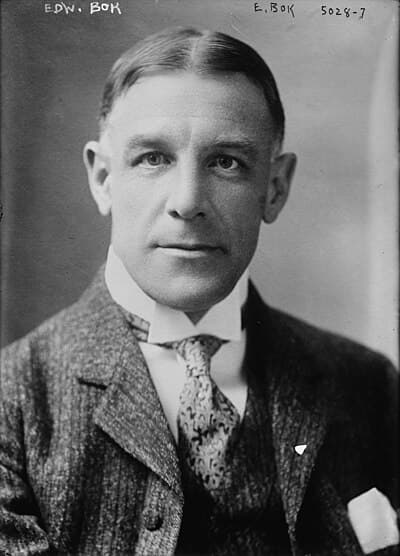
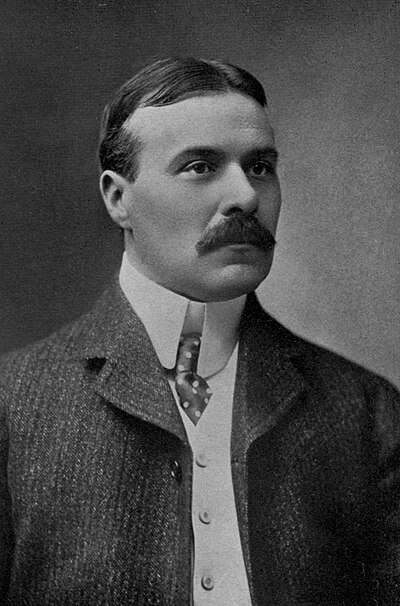
Edward William Bok
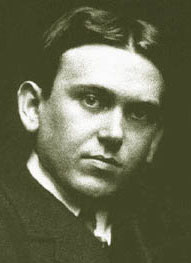
Edward William Bok was a Dutch-born American editor and author, renowned for his influential role as the editor of the Ladies' Home Journal from 1889 to 1919. Under his stewardship, the magazine became a significant platform for women's issues and domestic life, reflecting the changing roles of women in American society during the late 19th and early 20th centuries. Bok's editorial vision not only shaped the magazine's content but also introduced practical advice and inspirational stories that resonated with a wide readership. His commitment to improving the lives of everyday Americans was evident in his advocacy for better home design and family life, which he promoted through the distribution of popular homebuilding plans. In addition to his editorial work, Bok was a Pulitzer Prize-winning author, recognized for his autobiography, The Americanization of Edward Bok, which detailed his journey from a young immigrant to a prominent figure in American publishing. His legacy extends beyond literature; he was also the visionary behind Bok Tower Gardens in Florida, a serene landscape that reflects his passion for nature and community. Bok's contributions to American culture and his efforts to uplift and educate through his writing and editorial work have left a lasting impact, making him a notable figure in the history of American journalism and literature.
Famous Quotes
View all 3 quotes“Bok strongly believed that good art should find a place in public buildings where large numbers of persons might find easy access to it.”
“You have read the books?" asked the editor. "Every word," returned Bok. "Then, why don't you write the review?" suggested the editor. This was a new thought to Bok. "Never wrote a review," he said. "Try it," answered the editor. "Write a column." "A column wouldn't scratch the surface of this book," suggested the embryo reviewer.”
“Edward Bok never belittled the giving of contributions, he solicited too much money himself for the causes in which he was interested, but it is a poor nature that can satisfy itself that it is serving humanity by merely signing checks. There is no form of service more comfortable or so cheap. Real service, however, demands that a man give himself with his check. And that the average man cannot do if he remains in affairs.”
Books from the author




Link to this page
Add a free, dofollow link to Lex on your blog, forum, syllabus, or reading list.

<a href="https://lex-books.com/author/edward-william-bok"><img src="https://lex-books.com/badges/read-on-lex.svg" alt="Edward William Bok on Lex" width="160" height="40"></a>[](https://lex-books.com/author/edward-william-bok)[url=https://lex-books.com/author/edward-william-bok][img]https://lex-books.com/badges/read-on-lex.svg[/img][/url]Edward William Bok on Lex: https://lex-books.com/author/edward-william-bok