Andreas Wilhelm Cramer
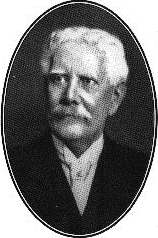
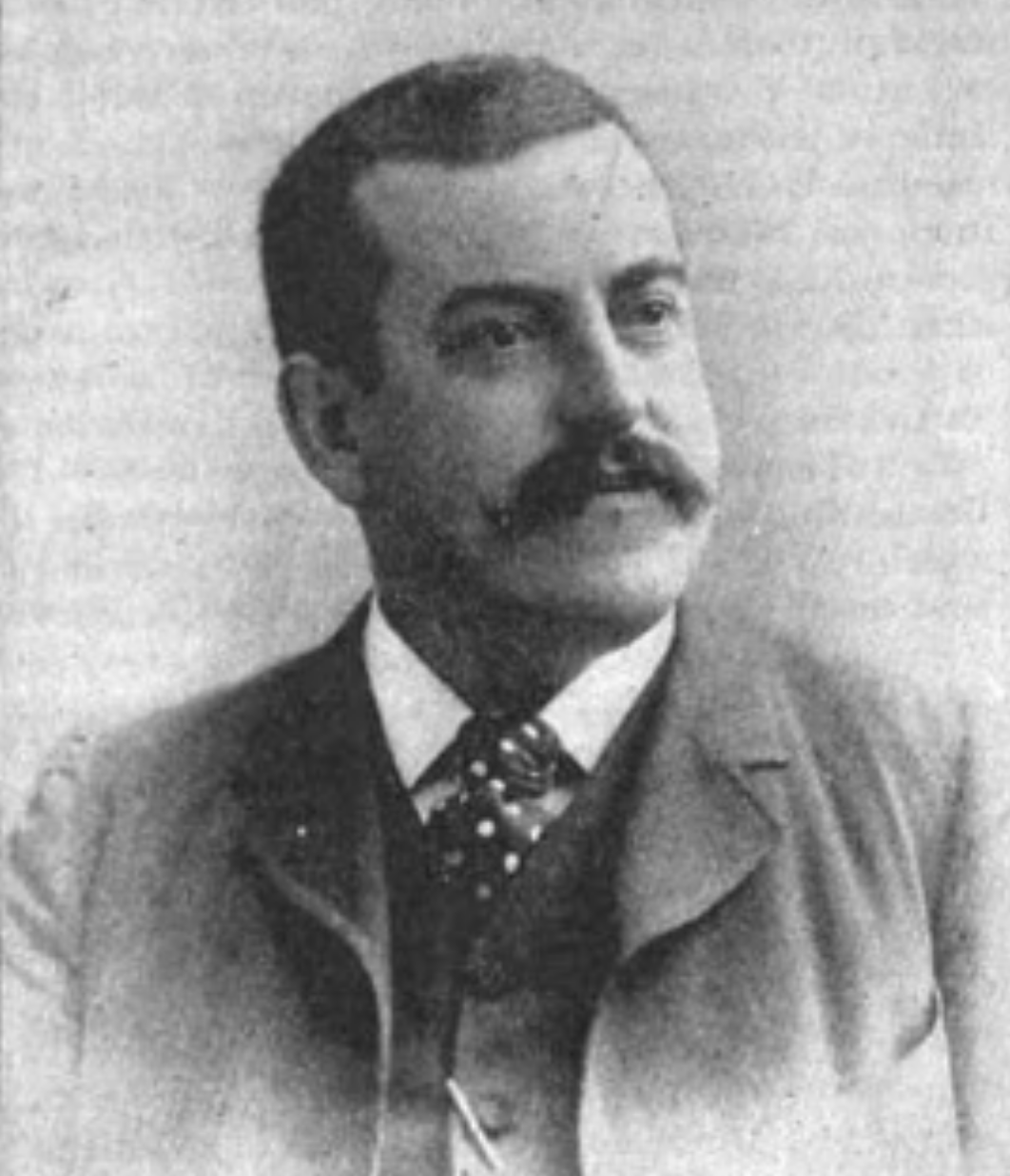
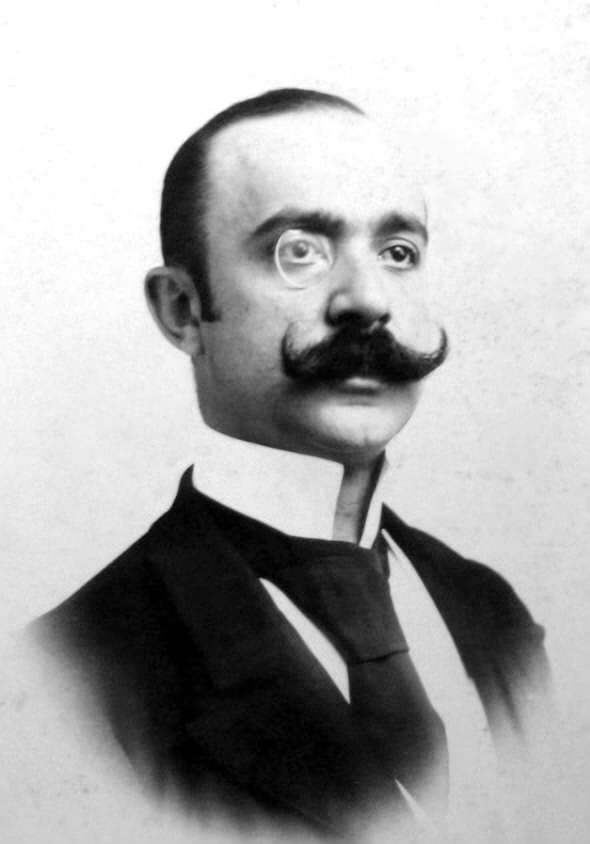
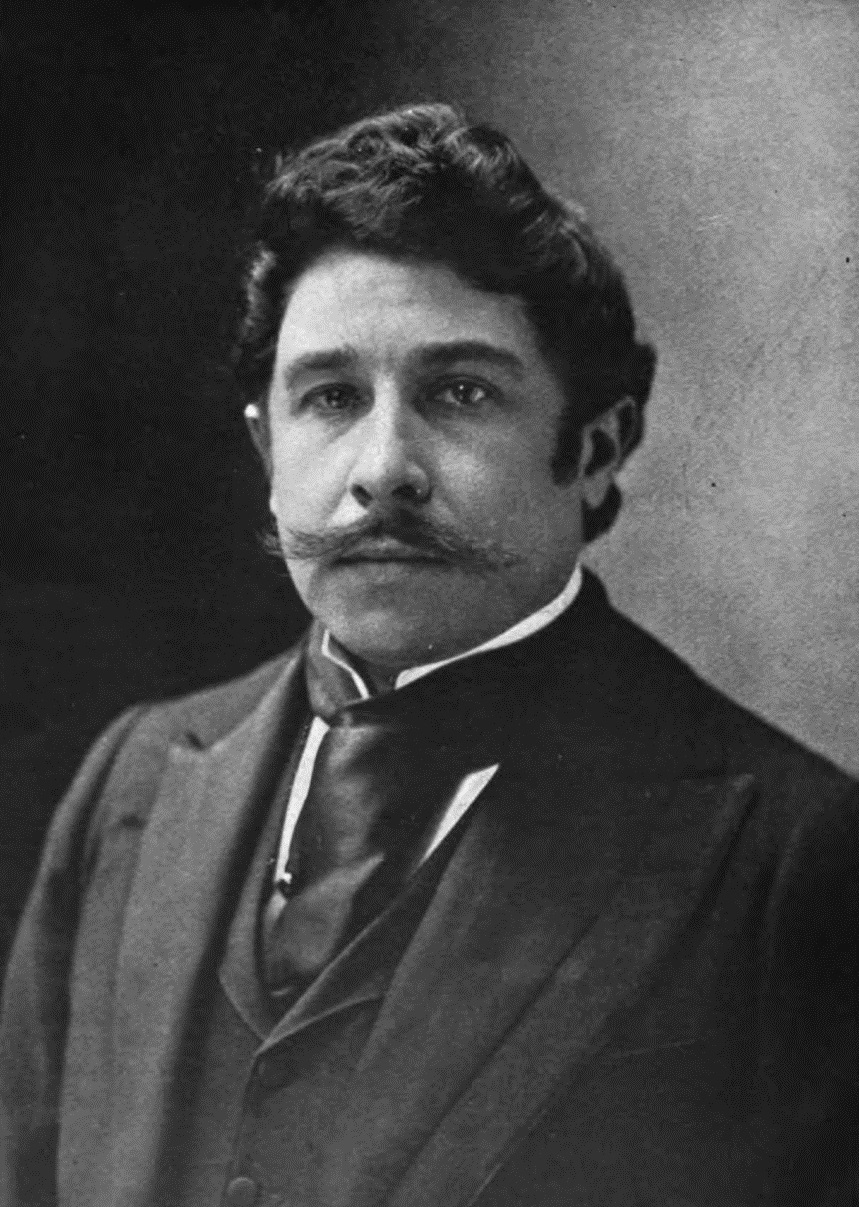
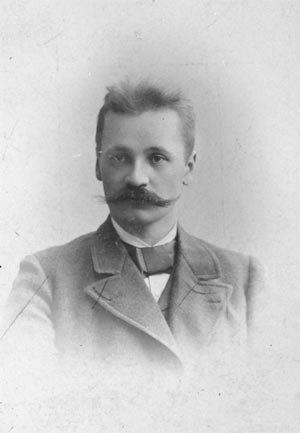
Andreas Wilhelm Cramer was a German writer and economist, best known for his work "Bremen Cotton Exchange," which was published in both 1872 and 1922. His writings often reflected the economic and social conditions of his time, particularly focusing on the intricacies of trade and commerce. Cramer’s insights into the cotton trade were particularly significant, as they provided a detailed examination of the economic landscape of Bremen, a key port city in Germany. Through his work, he contributed to the understanding of the cotton industry and its impact on local and global economies. Cramer's literary contributions extended beyond mere economic analysis; they also encompassed a broader commentary on the societal implications of trade and industry. His ability to weave together economic theory with narrative made his work accessible to a wider audience, allowing readers to grasp complex economic concepts through relatable storytelling. Cramer’s legacy lies in his pioneering approach to economic writing, which combined factual reporting with a narrative style that engaged readers and illuminated the significance of commerce in everyday life.
Books from the author




Link to this page
Add a free, dofollow link to Lex on your blog, forum, syllabus, or reading list.

<a href="https://lex-books.com/author/andreas-wilhelm-cramer"><img src="https://lex-books.com/badges/read-on-lex.svg" alt="Andreas Wilhelm Cramer on Lex" width="160" height="40"></a>[](https://lex-books.com/author/andreas-wilhelm-cramer)[url=https://lex-books.com/author/andreas-wilhelm-cramer][img]https://lex-books.com/badges/read-on-lex.svg[/img][/url]Andreas Wilhelm Cramer on Lex: https://lex-books.com/author/andreas-wilhelm-cramer