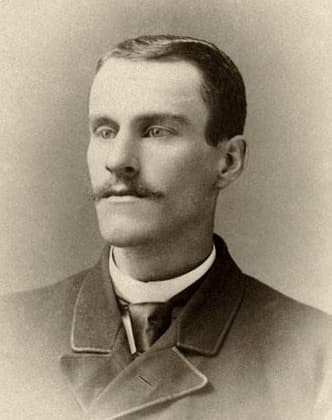
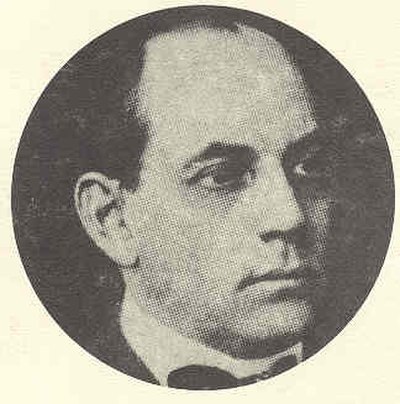
Frederic Homer Balch
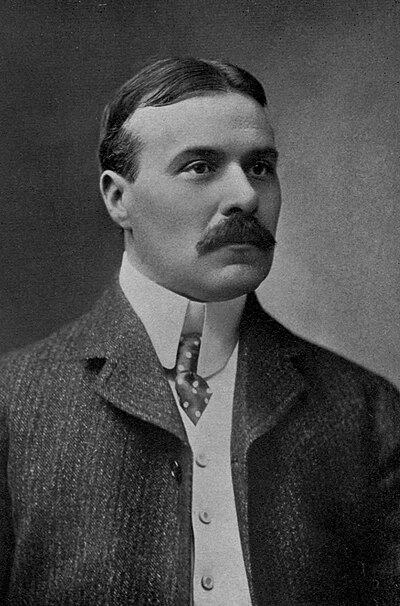
Frederic Homer Balch was an American author from the Pacific Northwest, notable for his work 'The Bridge of the Gods: A Romance of Indian Oregon.' This novel, published during his brief life, marked a significant contribution to American literature as it was the first to prominently feature Native Americans as major characters and to celebrate the unique landscapes of the Northwest, including its majestic forests and volcanic mountains. Balch's writing emerged from a backdrop of personal struggle, as he faced poverty and a lack of formal education while living in the isolated wilderness he so vividly described. Despite his untimely death from tuberculosis at the age of 29, Balch's literary aspirations were ambitious. He sought to elevate the recognition of Oregon's natural beauty, aiming to make it as renowned as Scotland through his storytelling. His vision was clear from a young age, and he endeavored to weave the grandeur of the Willamette Valley into narratives filled with passion and romance. Balch's legacy lies in his pioneering role in depicting Native American life and the Pacific Northwest's landscape, influencing future writers and enriching the American literary canon with his unique perspective.
Famous Quotes
View all 1 quotes“I write these last lines on Sauvie's Island - the Wappatto of the Indians - sitting upon the bank of the river, beneath the gnarled and ancient cottonwood that still marks the spot where the old Columbia trail led up from the water to the interior of the island. Stately and beautiful are the far snow-peaks and the sweeping forest. The woods are rich in the colors of an Oregon autumn. The white wappatto blooms along the marshes, its roots ungathered, the dusky hands that once reaped the harvest long crumbled into dust. Blue and majestic in the sunlight flows the Columbia, river of many names -- the Wauna and the Wemath of the Indians, the St. Roque of the Spaniards, the Oregon of poetry -- always vast and grand, always flowing placidly to the sea. Steamboats of the present; batteaux of the fur traders; ships, Grey's and Vancouver's, of discovery; Indian canoes of the old unknown time -- the stately river has seen them all come and go, and yet holds its way past forest and promontory, still beautiful and unchanging. Generation after generation, daring hunter, ardent discoverer, silent Indian -- all the shadowy peoples of the past have sailed its waters as we sail them, have lived perplexed and haunted by mystery as we live, have gone out into the Great Darkness with hearts full of wistful doubt and questioning, as we go; and still the river holds its course, bright, beautiful, inscrutable. It stays; we go. It there anything beyond the darkness into which generation follows generation and race follows race? Surely there is an after-life, where light and peace shall come to all who, however defeated, have tried to be true and loyal; where the burden shall be lifted and the heartache shall cease; where all the love and hope that slipped away from us here shall be given back to us again, and given back forever Via crucis, via lucis .”
Books from the author



Link to this page
Add a free, dofollow link to Lex on your blog, forum, syllabus, or reading list.

<a href="https://lex-books.com/author/frederic-homer-balch"><img src="https://lex-books.com/badges/read-on-lex.svg" alt="Frederic Homer Balch on Lex" width="160" height="40"></a>[](https://lex-books.com/author/frederic-homer-balch)[url=https://lex-books.com/author/frederic-homer-balch][img]https://lex-books.com/badges/read-on-lex.svg[/img][/url]Frederic Homer Balch on Lex: https://lex-books.com/author/frederic-homer-balch